Owen Bradley
 Emptying a dehumidifier bucket twice a day is the fastest way to stop using one. In a genuinely damp room the tank fills in hours, the unit shuts off the moment it does, and the humidity climbs right back while you are at work. Connecting a dehumidifier drain hose solves the problem permanently: the condensate leaves the unit as fast as it is produced and the machine simply runs until it hits the humidity you asked for. Setting it up takes twenty minutes with a hose and a bit of thought about slope, and this guide covers both gravity drainage and the pump route for rooms where gravity is not an option.
Gravity Drain or Pump: Which Setup Do You Need?
The deciding factor is simple geometry. If there is a floor drain, sump pit, or utility sink whose inlet sits lower than the dehumidifier’s drain port, gravity does the work for free with no moving parts and nothing to fail. This is the setup to choose whenever it is possible, and elevating the unit on a stand or shelf often makes it possible where it first appeared not to be.
If the only drain is a sink across the room, a window well, or a standpipe above the unit, you need a pump. A pump collects condensate in a small reservoir and pushes it upward through narrow tubing, typically many feet vertically. Some dehumidifiers include one; otherwise an external condensate pump sits beside the unit and does the same job. Models built around this are compared in our roundup of the best dehumidifiers with pumps, which is the practical answer for upstairs rooms and finished spaces with no floor drain.
What You Will Need
- A drain hose, either the vinyl hose supplied with the unit or a standard garden hose if the port is threaded.
- A hose clamp or the threaded adapter that shipped in the box.
- Plumber’s tape to seal a threaded connection cleanly.
- A sturdy stand, shelf, or concrete blocks to raise the unit and create fall.
- A small spirit level to confirm the run actually slopes downward.
- Cable ties or clips to secure the hose along a wall.
- A condensate pump and 3/8-inch tubing if gravity will not reach.
- A shallow drip tray under the unit as cheap insurance.
Step-by-Step: Setting Up a Gravity Drain Hose
- Unplug the unit and empty the bucket. Never connect drainage with the machine running. Pour off any collected water so nothing spills when you remove the tank.
- Locate the continuous drain port. It is usually behind the bucket or on the rear panel, often hidden by a rubber plug or a knockout cover. Check the manual if it is not obvious, and keep the plug somewhere safe in case you revert to bucket use.
- Remove the plug and fit the adapter. Some ports accept a push-on vinyl hose; others have a threaded fitting for a garden hose. Wrap threaded connections with two turns of plumber’s tape before tightening by hand.
- Attach the hose securely. Push a slip-fit hose fully onto the barb and add a hose clamp. A loose connection will not leak while the unit is dry, then drips steadily once condensate starts flowing and you are not watching.
- Raise the dehumidifier. Place it on a level stand, sturdy shelf, or blocks so the drain port sits clearly above the drain’s inlet. Even 6 to 12 inches of extra height transforms a marginal run into a reliable one. Confirm the unit itself sits level.
- Route the hose with continuous downward fall. The entire run must slope downhill from the port to the drain. Lay it out, then check it with a level in a few places. Any section that rises, even briefly, will hold water and back up into the machine.
- Eliminate loops, kinks, and coils. Cut the hose to length rather than coiling the excess on the floor. A coil is a series of low points, and a kink behind the unit is the most common cause of a drain that stops working after a month.
- Secure the far end at the drain. Anchor the hose end in the floor drain, sump pit, or sink so it cannot be knocked out by a passing foot or by the flow itself. Keep it above the water line in a sump so it never siphons back.
- Switch to continuous mode. With drainage connected, most units offer a continuous setting or automatically ignore the tank-full sensor once the bucket is removed. Check the control panel and confirm the full indicator is no longer lit.
- Set the target humidity. Choose 45 to 50 percent for most spaces. Continuous drainage means the unit will hold that level without your involvement, so there is no need to run it colder than necessary.
- Test with a jug of water. Pour a cup or two of clean water into the collection pan and watch it exit at the drain end. This proves the whole path is clear before you trust it unattended.
- Run it and check back. Restore power and inspect the connection, the hose route, and the floor beneath after an hour, then again the next day. A drip tray under the unit catches anything you missed.
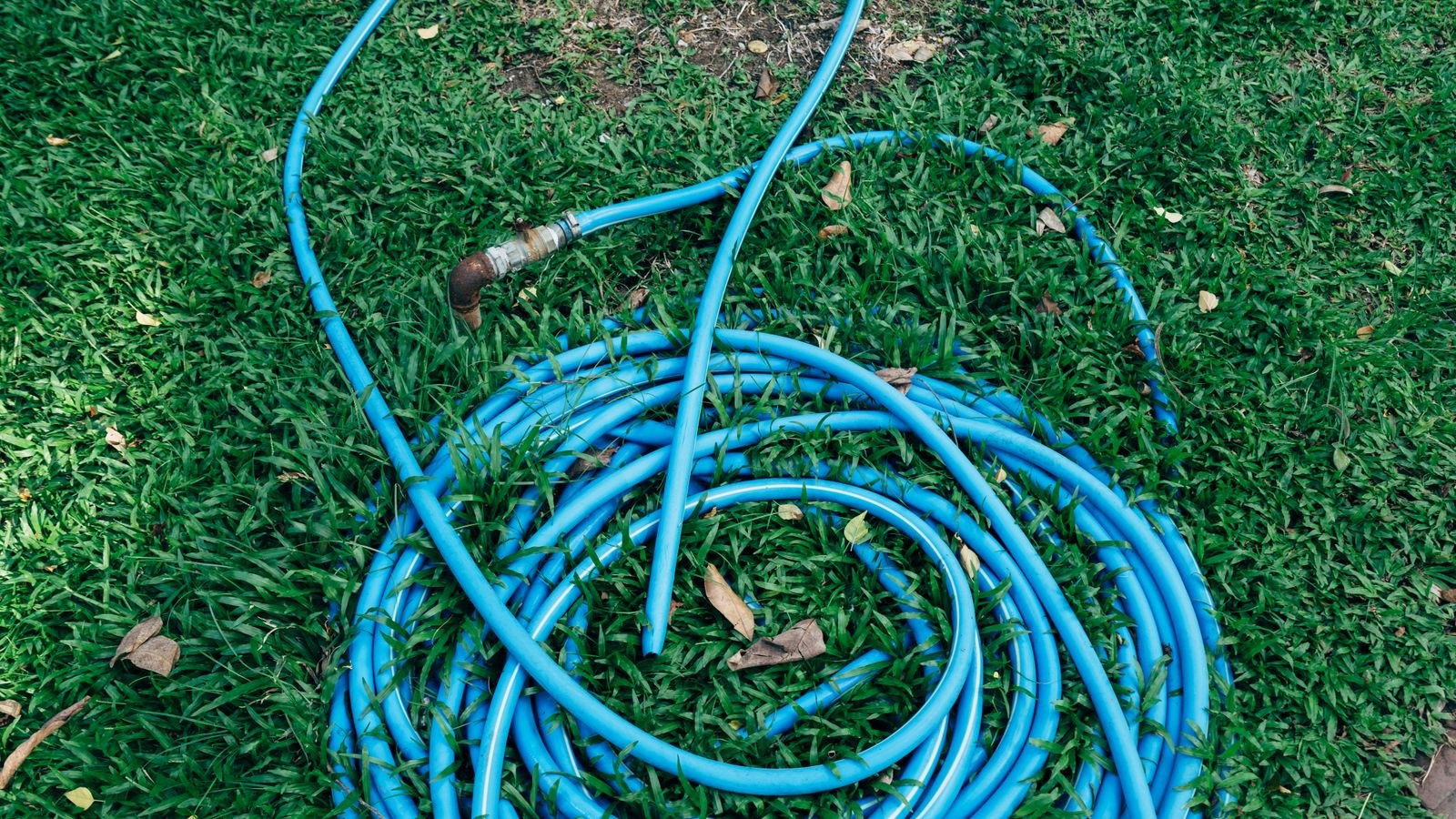
Setting Up a Condensate Pump Instead
If the drain is higher than the unit, place the pump on the floor beside the dehumidifier and run a short gravity hose from the drain port into the pump reservoir. That short run still needs downward slope, so the pump sits lower than the machine. From the pump outlet, run small-diameter tubing up the wall and over to the sink, standpipe, or exterior discharge point.
Check the pump’s rated lift, usually given in feet of head, and stay comfortably within it. Fit a check valve if the manufacturer supplies one, so water in the vertical run does not drain back into the reservoir and cause short cycling. Secure the tubing with clips every few feet, and route the discharge so a failure would spill somewhere harmless. Most pumps include a safety switch that shuts the dehumidifier off if the reservoir overfills, and it is worth wiring that up rather than skipping it.
Draining Outdoors
Running the hose out a window or through a wall works in warm weather but freezes solid in winter, which backs water up into the unit. If you drain outdoors, discharge well away from the foundation so you are not returning moisture to the ground you are trying to keep dry, and switch to an indoor drain or the bucket before the first frost.
Common Mistakes That Cause Overflow
- A hose that rises anywhere along the run. Gravity drainage tolerates no uphill sections at all, not even an inch.
- Coiling extra hose on the floor. Every coil is a water trap that eventually blocks flow entirely.
- Leaving the unit on the floor beside a floor drain. The port must be above the drain inlet, which usually means raising the unit.
- Skipping the hose clamp. Push-on connections work loose from vibration over weeks.
- Forgetting to enable continuous mode. Some models keep using the tank sensor until you tell them otherwise.
- Never cleaning the port. Biofilm builds in the drain fitting and narrows it until flow stops.
- Exceeding a pump’s lift rating. The pump runs constantly, overheats, and fails early.
Safety and Maintenance
Always unplug the unit before working on the drain connection, and plug it into a grounded outlet rather than an extension cord. Keep the hose clear of walkways and stairs, and make sure it cannot rest against a heat source. If the unit sits on a finished floor, a drip tray and a moisture alarm cost very little and catch a slow leak long before it damages anything.
Flush the hose every few months. Disconnect it, run clean water through it, and check the drain port for slime with a cotton swab. Rinse the intake filter regularly too, because reduced airflow lowers water production and masks a partially blocked drain. A deeper seasonal service, including the coils and collection pan, is covered step by step in our guide on deep cleaning a dehumidifier.
Frequently Asked Questions
Can I use a regular garden hose?
Yes, if the drain port is threaded for one, which many mid-size and large units are. A shorter, lighter vinyl hose is easier to route with consistent slope, but a garden hose is more durable and simpler to source in the length you need.
Why is water backing up even though the hose is connected?
Almost always a slope problem, a kink, or a blocked port. Lay the hose out straight, check it with a level along its whole length, and clear the fitting with a swab. Raising the unit a few more inches solves most cases.
Does continuous drainage make the dehumidifier work harder?
No. It simply removes the shutdown that a full tank causes. The unit still cycles according to the humidistat, and because it never stops early, it usually reaches the target faster and holds it more steadily.
Can I drain into a sump pump pit?
Yes, and it is a common choice in basements. Anchor the hose so it stays inside the pit and above the water level, and confirm the sump pump handles the extra flow, which can be several pints an hour in damp conditions. Sizing guidance for that class of unit is in our comparison of the best 50 pint dehumidifiers.
Which units make hose drainage easiest?
Look for a clearly accessible rear port, a threaded fitting, and a supplied hose rather than a fiddly push-on stub. Models chosen for that convenience are gathered in our list of the best dehumidifiers with drain hoses, and basement-specific picks appear in the best basement dehumidifiers roundup.
Final Thoughts
Continuous drainage is the upgrade that makes a dehumidifier genuinely automatic. Find the drain port, fit the hose with a clamp, raise the unit so the entire run falls downhill without a single loop, secure the far end, and switch the machine to continuous mode. Where gravity cannot reach, a condensate pump with a check valve and a safety switch does the same job vertically. Test with a jug of water before you trust the setup, flush the hose a few times a year, and you will never carry another bucket up the stairs for the rest of 2026.