Owen Bradley
 Furniture tip-overs are one of the most preventable hazards in a home, and the fix costs less than a takeaway meal. A tall dresser with the top two drawers open can topple with surprisingly little force, and a child climbing a bookshelf provides far more than that. Anchoring furniture to a wall takes about fifteen minutes per piece and turns an unstable object into one that cannot move. This guide covers how to anchor furniture to a wall properly, which hardware suits studs and which suits bare drywall, and the mistakes that make an anchor look secure while doing almost nothing.
Tools and Hardware You Need
- Anti-tip straps or L-brackets. Straps are quickest and let the furniture pull away for cleaning; steel L-brackets are more rigid and better for very heavy units.
- A stud finder. An electronic one is worth the small cost. Guessing wastes screws and leaves holes.
- A cordless drill and a bit set. You need a pilot bit slightly narrower than your screw shank.
- Wood screws, typically #8 or #10, at least 2.5 inches long. The screw must pass through drywall and bite at least 1.5 inches into the stud.
- Drywall anchors, if no stud is available. Toggle bolts or heavy-duty self-drilling anchors only, never plastic expansion plugs.
- A pencil, tape measure and spirit level.
- A helper for anything over roughly 60 pounds.
Check the furniture box first. Most flat-pack dressers, bookcases and wardrobes now ship with a strap or bracket in the hardware bag, and many people throw it out with the packaging without realising what it was.
Which Furniture Actually Needs Anchoring
The general rule is anything taller than it is wide, anything with drawers that extend, and anything a child could plausibly climb. That covers dressers, chests of drawers, tall bookcases, wardrobes, media units carrying a television, and freestanding shelving. Low, wide sideboards are generally stable, but if a heavy TV sits on top the combined centre of gravity rises and the unit joins the list.
Weight is a poor guide to stability. A heavy solid-wood dresser with deep drawers can be more dangerous than a light one, because opening two loaded drawers throws a large mass well forward of the front feet. Depth matters too: shallow units tip more easily than deep ones. If in doubt, open the top drawer fully and press gently downward on its front edge. Any lift at the back feet means the piece needs anchoring.
Finding and Confirming a Stud
A screw driven into a wall stud is dramatically stronger than any drywall anchor, so always look for a stud first. Studs typically sit 16 inches apart centre to centre, sometimes 24 inches in newer construction, and there is almost always one beside each door and window opening.
- Run the stud finder horizontally across the wall behind the furniture position and mark both edges of the detected stud.
- Mark the midpoint between those edges. That is your target.
- Confirm with a small pilot hole. Solid resistance the whole way in means wood; a sudden drop into a void means you missed.
- Drill your pilot hole at that midpoint, sized just under the screw shank so the threads bite rather than split.
Plaster, lath and masonry walls behave differently. Masonry needs a hammer drill, a masonry bit and a sleeve or wedge anchor rated for the load. Old plaster over lath can crumble, so drill slowly and expect to hit framing at less predictable spacings.
Step by Step: Fitting an Anti-Tip Strap
- Empty the top drawers and pull the unit forward. Reducing the top weight makes the piece safer to work behind and easier to move.
- Mark the wall height. The wall bracket should sit level with or slightly above the point where it will attach to the furniture, so the strap pulls the piece back and down rather than up.
- Locate and mark the stud using the method above, then drill your pilot hole.
- Fix the wall bracket. Drive the screw through the bracket into the stud until the bracket sits flat and cannot rotate. Do not overtighten into drywall paper.
- Fix the furniture bracket. Attach the second bracket to a solid structural part of the furniture: the top rail, a side panel or a back frame member. Avoid the thin hardboard back panel, which will tear out under load.
- Pilot before you screw into particle board. Flat-pack panels split easily. A pilot hole roughly 70 percent of the screw diameter prevents it.
- Connect and tension the strap. Pull it snug so there is no slack, but not so tight that it bows the back panel. Snug means the unit cannot gain momentum before the strap engages.
- Fit a second strap. Use two anchor points, one near each side of the piece, spaced as far apart as the frame allows. A single central strap allows the unit to pivot sideways.
- Test it. Push firmly on the top of the piece. It should barely move. Then open the top drawer fully and press down. There should be no lift at the rear.
When There Is No Stud Behind the Furniture
Sometimes the piece has to sit where no stud exists. In that case a proper heavy-duty drywall anchor can work, provided you choose the right type.
- Toggle bolts are the strongest drywall option. The wings spread behind the board and distribute load across a wide area.
- Self-drilling metal anchors handle moderate loads and install without a pilot hole, but they rely entirely on the drywall’s own strength.
- Plastic expansion plugs are not suitable for anti-tip duty. They pull straight out under a shock load, which is exactly the load an anchor exists to resist.
A better answer is often to move the furniture a few inches sideways so it lines up with a stud, or to fix a horizontal timber batten across two studs and anchor into that. The batten sits behind the unit where nobody sees it and gives you solid wood anywhere along its length.
Rooms Where This Matters Most
Children’s bedrooms and playrooms carry the highest risk, because that is where climbing happens and where furniture is most often lightweight. Anchor every tall piece in those rooms without exception, and keep tempting items such as toys and screens off the tops of dressers so there is no reason to climb. Low seating helps too: kid-scale pieces like the ranges covered in our guides to the best sofas for kids, the best kids table and chairs sets and the best bean bag chairs for kids keep everyday activity at floor level rather than encouraging children to reach up onto adult-height furniture.
Main bedrooms come next, since they hold the tallest dressers and wardrobes in most homes. When you are buying, check whether the piece includes anti-tip hardware and whether the back frame is solid enough to take a bracket, because many budget units offer only a stapled hardboard panel. Sturdier construction across the best bedroom furniture makes anchoring straightforward instead of a compromise. In shared living spaces, media units and tall shelving deserve the same treatment, and choosing from the more solidly built family friendly sofas and companion pieces reduces the number of unstable items in the room to begin with.
Common Mistakes to Avoid
- Screwing into the thin back panel. Hardboard backing tears out instantly. Always find the frame or a side panel.
- Using one strap instead of two. A single anchor lets the piece swing and pivot on that point.
- Leaving slack in the strap. A loose strap lets the unit build momentum before it catches, which can rip the fixing out.
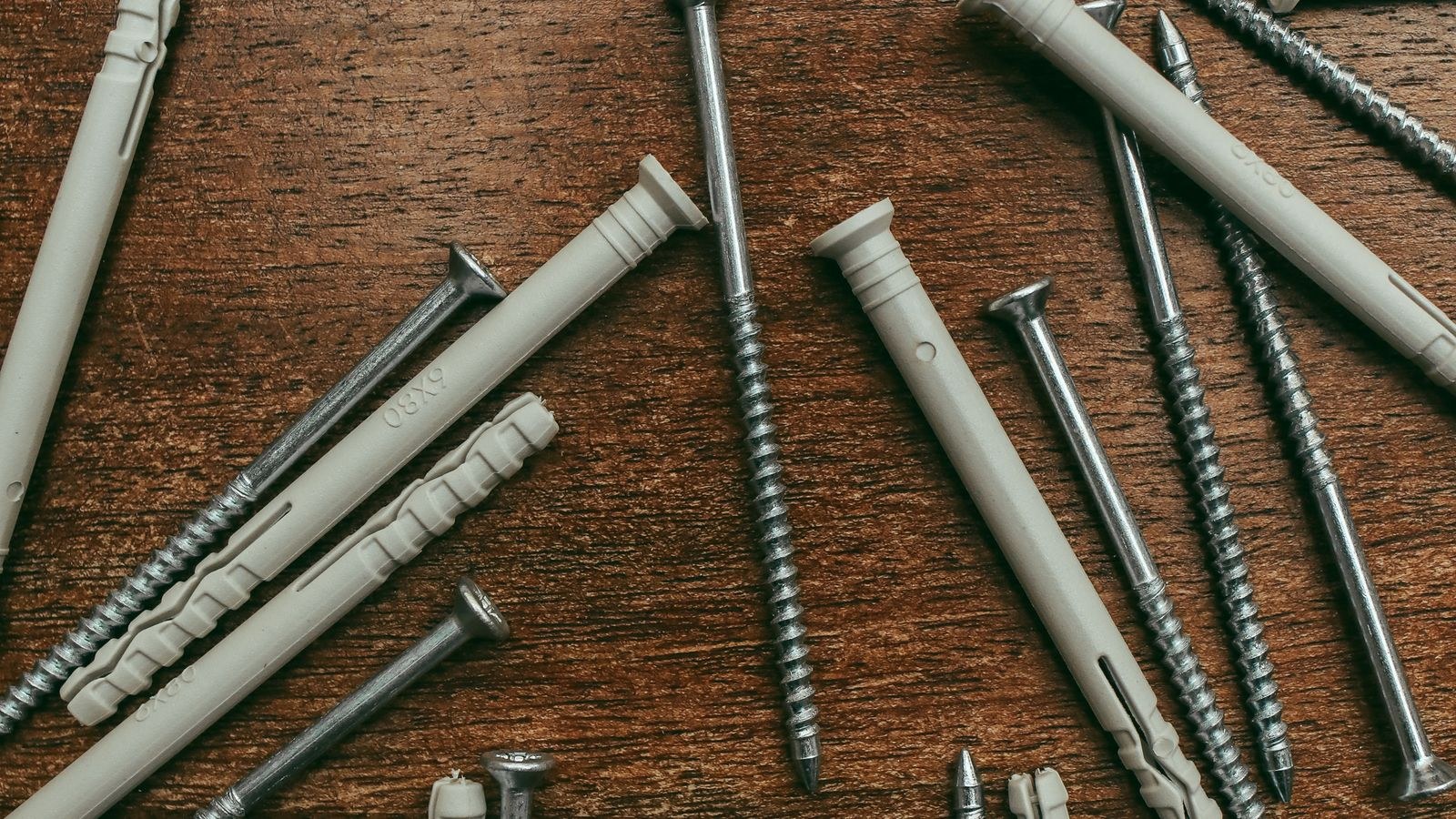
- Trusting plastic wall plugs. They are fine for a picture frame and useless for a tip-over load.
- Skipping the pilot hole in particle board. A split panel is weaker than no anchor at all.
- Anchoring and forgetting. Straps loosen and screws back out over time.
- Assuming heavy furniture is safe. Mass makes a tip-over worse, not less likely.
Checking and Maintaining Anchors
Inspect every anchor twice a year and any time furniture is moved for cleaning, decorating or a house move. Look for stretched or frayed straps, screws that have backed out, and brackets that have started to rotate. Re-tension anything with visible slack. If you rearrange a room during 2026, re-anchor rather than leaving a piece unsecured for a few weeks, since that gap is exactly when accidents happen. Replace fabric straps rather than repairing them; the hardware costs very little compared with the risk it removes.
Frequently Asked Questions
Do I need to anchor furniture if I rent?
Yes. The screw holes left behind are small and easily filled, and most landlords consider safety fixings reasonable. Fill and touch up when you leave.
How many anchors does one dresser need?
Two as a minimum, placed near each side of the unit. Wide pieces over about four feet benefit from a third in the middle.
Can I anchor into drywall alone?
Only with toggle bolts or heavy-duty metal anchors, and it is always the second-best option. A stud fixing is far stronger, so move the furniture or fit a batten if you can.
What height should the wall bracket sit at?
Level with or slightly above the furniture attachment point, so the strap pulls the piece back toward the wall rather than lifting it.
Final Thoughts
Anchoring furniture is one of the highest-value fifteen-minute jobs in a home. Find a stud, use two anchor points rather than one, fix into structural timber instead of a back panel, pilot every hole in particle board, and take up all the slack so the strap engages instantly. Where no stud exists, use toggle bolts or add a batten rather than trusting plastic plugs. Then check the fixings twice a year and re-anchor whenever furniture moves. The hardware is cheap, the work is simple, and the result is a piece that stays exactly where you put it.