Owen Bradley
 Remote control outlets solve a problem almost every home has: a lamp plugged in behind a sofa, under a bed, or across the room where no wall switch reaches it. Instead of rewiring anything, you plug an adapter into the wall, plug the lamp into the adapter, and control it from a handheld remote or your phone. Setup takes minutes, requires no tools, and works with virtually any table lamp, floor lamp, or string light. This guide covers choosing between radio-frequency and Wi-Fi models, pairing remotes to outlets, placing everything for reliable range, and troubleshooting the connection problems that show up most often.
How Remote Control Outlets Work
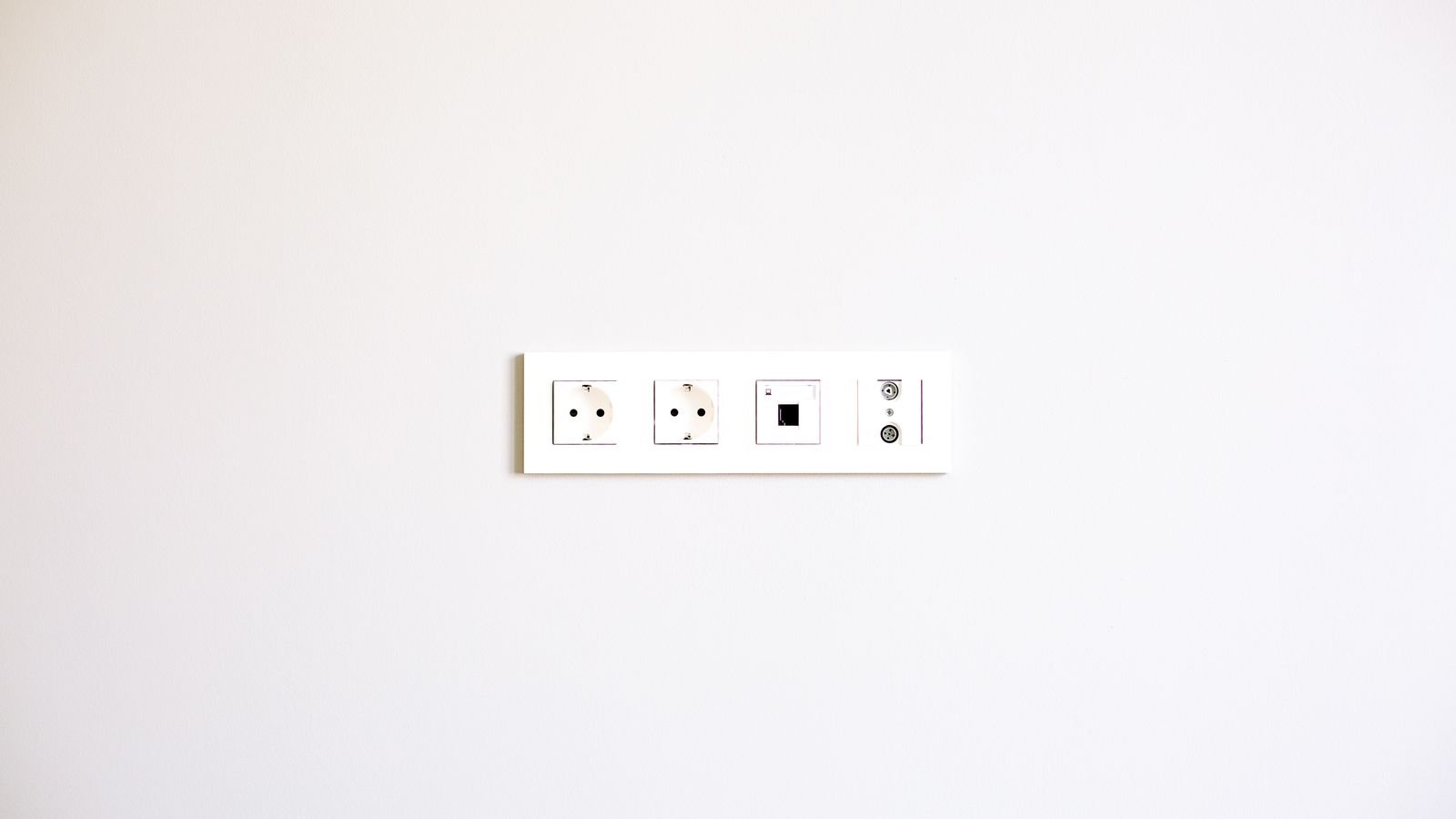
A remote control outlet is a pass-through adapter containing a relay. When the relay closes, power flows to whatever is plugged into it. The only difference between models is how that relay receives its instruction.
RF (radio frequency) outlets listen for a signal from a small handheld remote, usually on 315 MHz or 433 MHz. They need no network, no app, and no account. Signal passes through walls reasonably well and response is instant.
Wi-Fi outlets join your home network and are controlled through an app or a voice assistant. They add schedules, away-mode randomization, energy monitoring, and control from anywhere, at the cost of setup complexity and dependence on your router.
Bluetooth outlets sit in between — no router needed, but control is limited to phone range and there is no remote access.
For most lamp applications, RF is the simpler and more reliable choice. If you want scheduling and voice control, go Wi-Fi. Comparing the best remote control outlets helps narrow which type suits how you actually want to use the lamps.
What to Check Before You Start
- Wattage rating. Most remote outlets handle a few hundred watts for lamps. They are not intended for space heaters, air conditioners, or motors. Check the rating printed on the housing.
- Indoor vs outdoor. Outdoor units are sealed and weather-rated. Never use an indoor adapter on a porch or in a garage that gets damp.
- Outlet clearance. These adapters are bulky. If your lamp is behind furniture pressed against the wall, confirm there is room for the plug to seat fully.
- Grounded or ungrounded. Some inexpensive units are two-prong only. Match the plug type your lamp needs.
- Bulb compatibility. Standard LED and incandescent bulbs are fine. If the lamp has its own smart bulb, do not stack the two technologies.
Step-by-Step: Setting Up an RF Remote Control Outlet
- Unbox and pull the battery tab. Most remotes ship with a plastic isolation strip under the battery. Remove it, or insert the coin cell if the remote shipped empty.
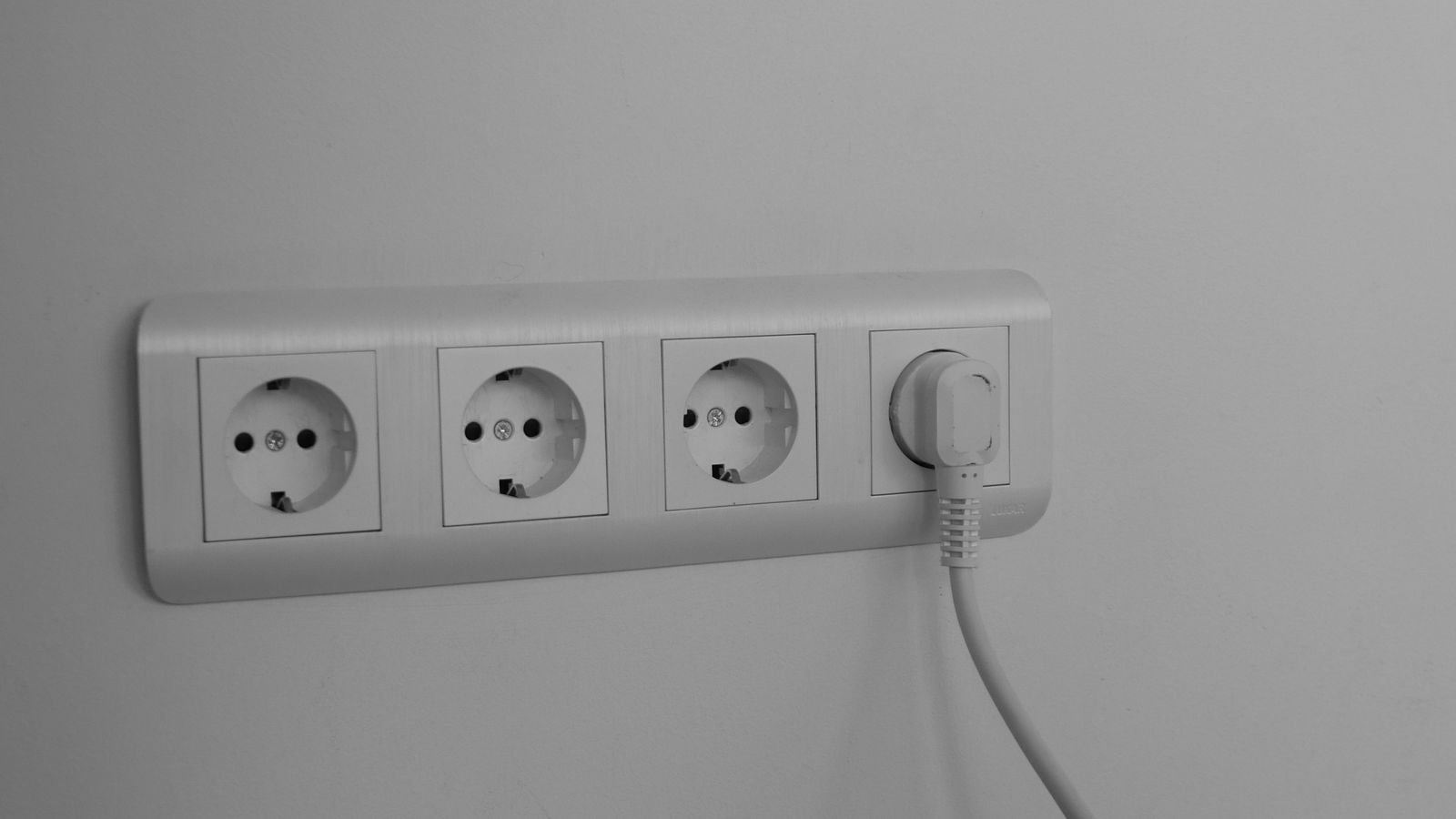
- Plug the outlet adapter into the wall. Push it in fully. A loose fit causes intermittent operation and heat.
- Note the channel setting. Many kits label each adapter and matching remote button with a number. Some units have a small dial or DIP switches inside the battery compartment to assign a channel — make sure each adapter is on a distinct one.
- Enter pairing mode. Press and hold the learn or pairing button on the adapter until its LED blinks, typically three to five seconds. Some models enter pairing automatically for the first thirty seconds after being plugged in.
- Press the remote button you want to assign. Do this within a few feet of the adapter while the LED is still blinking. The LED will flash rapidly or go solid to confirm the pairing.
- Repeat for each additional outlet. Pair one at a time so you do not accidentally assign two adapters to the same button — unless you deliberately want a single button controlling several lamps at once.
- Plug in the lamp and switch it on. This is the step people skip. The lamp’s own switch must be left in the ON position; the adapter controls the power feeding it.
- Test from where you will actually use the remote. Stand across the room, in the doorway, and from bed. If any position fails, see the range section below.
- Label everything. Put a small piece of tape on the remote noting which button controls which lamp.
Step-by-Step: Setting Up a Wi-Fi Remote Outlet
- Install the manufacturer’s app and create an account before plugging anything in.
- Confirm your phone is connected to the 2.4 GHz band. Nearly all smart outlets refuse to pair on 5 GHz, and this single issue accounts for most failed setups.
- Plug the outlet into a wall socket near your router for the initial pairing. You can move it afterward.
- Hold the power button until the LED blinks rapidly to enter pairing mode.
- Follow the app’s add-device flow, entering your Wi-Fi password exactly — passwords are case sensitive and a typo produces a generic failure message.
- Name the outlet descriptively, assign it to a room, and link it to your voice assistant if you use one.
- Move the outlet to its final location and verify it still responds. If it drops off, the signal there is too weak.
Getting Reliable Range
RF remotes are typically rated around 100 feet in open air, which drops sharply indoors. Range is reduced by metal, plaster with wire lath, brick, mirrors, and large appliances. Placing an adapter behind a metal filing cabinet or inside a media console is a common cause of unreliable response.
To improve it, try a different outlet on the same wall, raise the adapter to a higher socket if one is available, and keep the remote off metal surfaces. Ceiling-mounted or floor-level outlets behind heavy furniture perform worst. If one lamp is consistently unreliable while others work, the problem is placement, not the remote.
For Wi-Fi models, check the signal strength at the intended location using your phone. If your phone struggles there, the outlet will too. Moving the router, adding a mesh node, or relocating the lamp a few feet often fixes it.
Useful Automations Once Everything Works
- Bedside control. Keep one remote on the nightstand so you can kill every lamp in the room without getting up.
- Away-from-home lighting. Wi-Fi models can run a randomized evening schedule that looks far more convincing than a fixed timer.
- Seasonal lighting. Plug tree lights or window candles into a remote outlet so you are not crawling behind furniture twice a day.
- Grouped scenes. Assign multiple lamps to one button for a single-press living room scene.
- Accessibility. A remote at chair height gives control to anyone who cannot easily reach a floor-level outlet.
Common Mistakes to Avoid
- Leaving the lamp’s own switch off. The adapter cannot turn on a lamp that is switched off at the socket.
- Exceeding the wattage rating. Heaters and motors will overheat the relay.
- Plugging one adapter into another, or into a surge strip, which can block the RF signal and add failure points.
- Pairing every adapter to the same button by accident because you left them all in pairing mode simultaneously.
- Using indoor units outdoors. Moisture in the relay housing is a genuine fire risk.
- Forgetting the remote battery. A weak coin cell shortens range long before it stops working entirely.
Troubleshooting
Nothing happens when you press the remote. Replace the remote battery first — it is the cause more often than anything else. Then confirm the lamp works when plugged directly into the wall.
Works up close but not across the room. Classic range problem. Move the adapter to a different socket and clear obstructions.
Outlet turns on by itself. Another RF device nearby, or a neighbor’s kit, may share your channel. Re-pair on a different channel using the DIP switches or channel dial.
Pairing will not stick. Unplug the adapter for thirty seconds to fully reset it, then repeat the pairing sequence from within a few feet.
Wi-Fi outlet keeps going offline. Signal strength or a router that separates 2.4 and 5 GHz under one network name. Temporarily split the bands, pair the device, then recombine.
Lamp flickers. Usually a loose plug or a bulb incompatible with the relay. Reseat both before blaming the adapter.
Frequently Asked Questions
Can one remote control multiple outlets?
Yes. Most kits ship with a multi-button remote where each button pairs to a separate adapter, and many also include an all-on and all-off pair.
Do remote outlets use power when the lamp is off?
A very small amount — the receiver must stay awake to hear the signal. Standby draw is typically under a watt, so the annual cost is negligible.
Can I use one with a ceiling fan?
Only if the fan is plugged in rather than hardwired, and only if the adapter’s rating covers the motor load. Most lamp-rated outlets are not suitable for motors.
What happens after a power outage?
Most adapters return to the off state and retain their pairing. Some Wi-Fi models let you choose a default power-on behavior in the app, which is useful if you want a lamp to resume automatically.
Will the remote interfere with my garage door or car key?
Different frequency bands and rolling codes make this extremely unlikely. Interference between two identical lamp kits in neighboring apartments is far more common, and changing the channel resolves it.
Final Thoughts
Remote control outlets are the rare home upgrade that costs little, installs in minutes, and immediately makes daily life easier. Match the type to your needs — RF for simple, instant lamp control, Wi-Fi for schedules and voice — pair one adapter at a time, leave every lamp switch in the on position, and test from the spots where you will really be standing. Do that and you will never crawl behind the sofa for a lamp cord again.