Owen Bradley
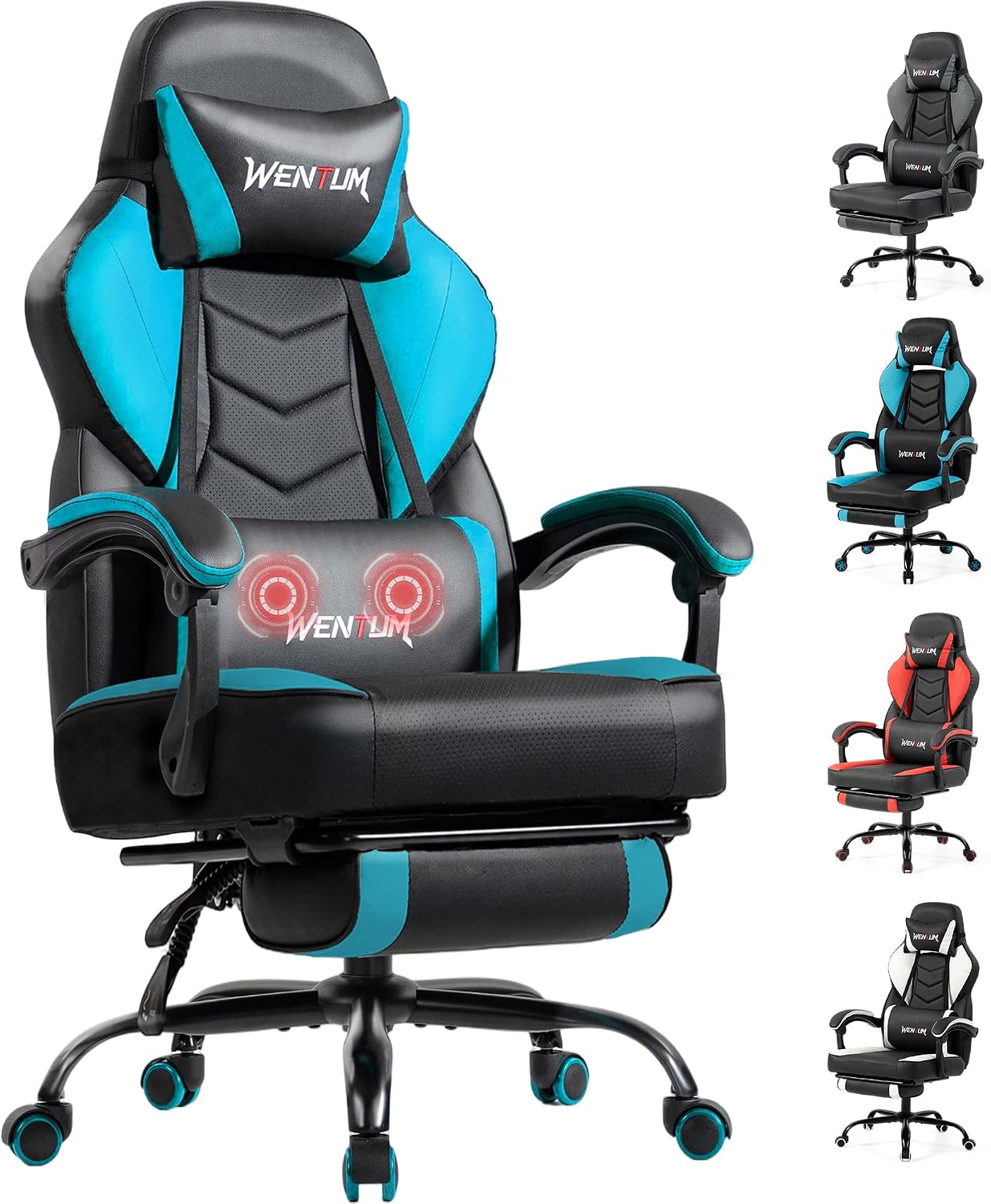
 Two chairs sit side by side in the same price bracket. One has a tall bucket seat, aggressive side bolsters, contrast stitching and a colour scheme borrowed from a rally car. The other has a mesh back, a slim profile, a bank of levers and looks like it belongs in an architecture firm. Both are marketed for gaming, and the gap between them is far larger than the styling suggests. Racing style gaming chairs and ergonomic gaming chairs make genuinely different bets about how you sit, how long you sit and what your body needs while you do it. This comparison breaks down back shape, bolsters, armrests, materials, recline behaviour and long-session comfort, so you can work out which design you can actually live with in 2026 rather than which one photographs better.
Where the Racing Style Came From
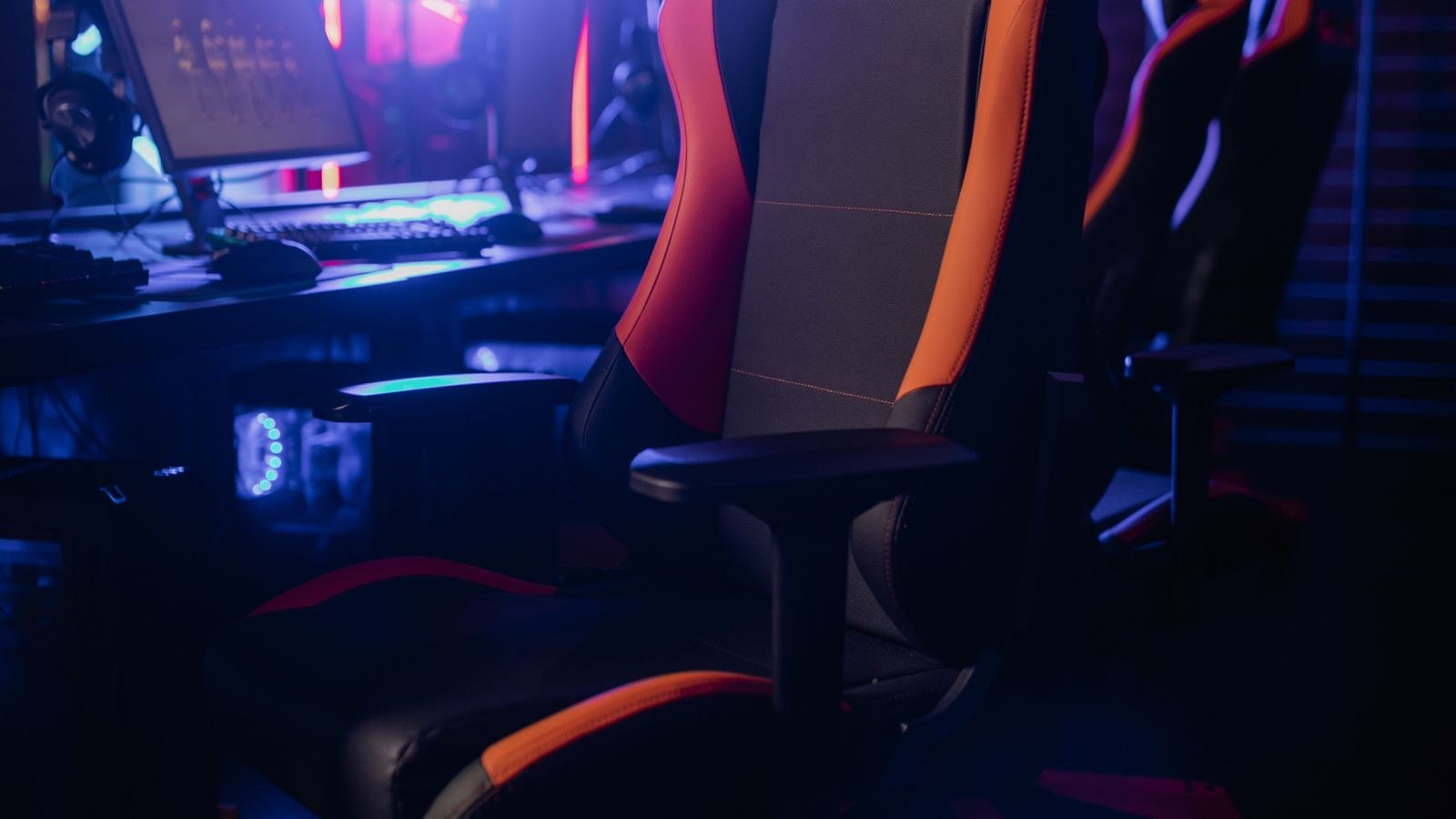
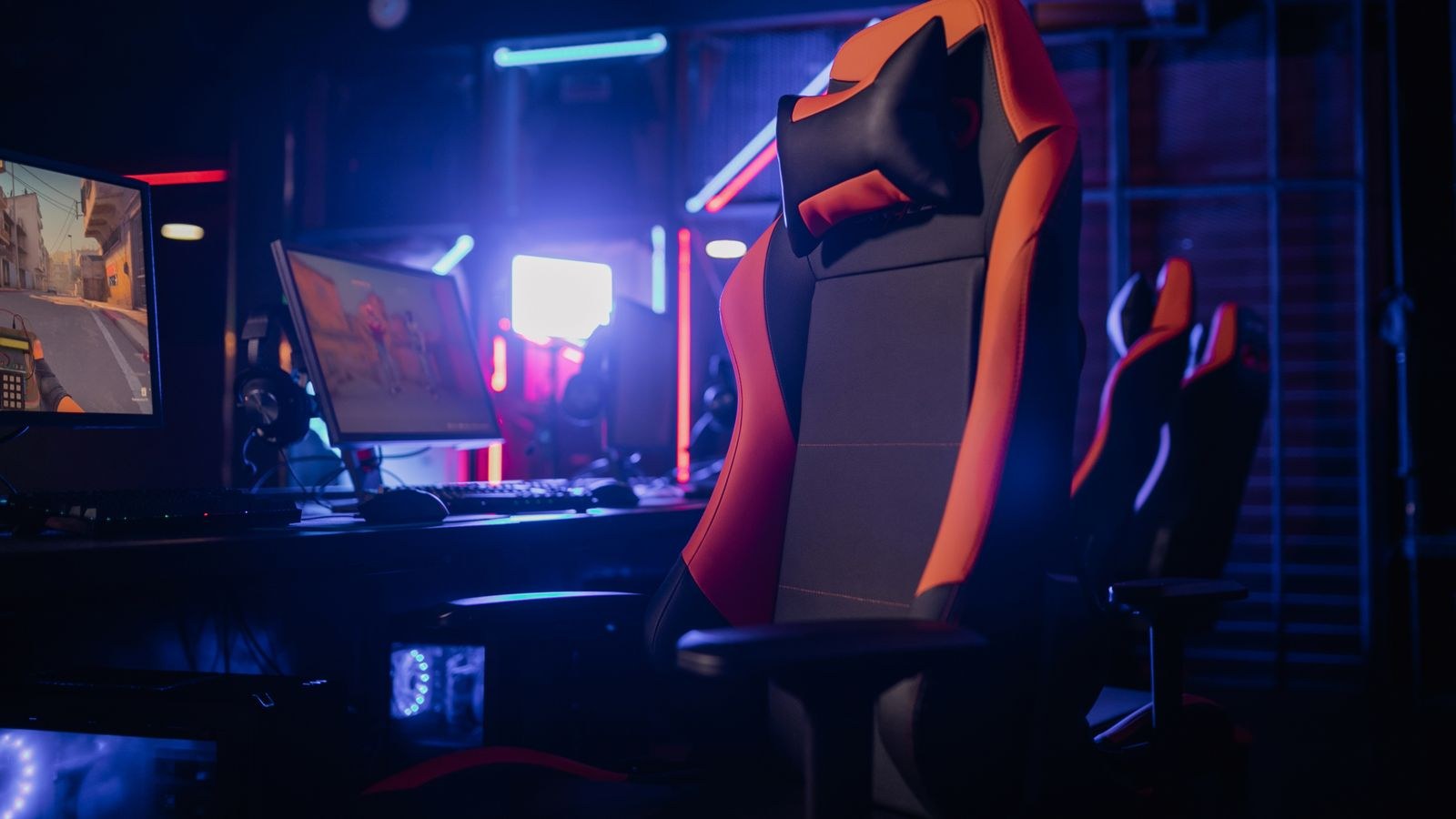
The bucket-seat silhouette is borrowed directly from motorsport, and understanding that origin explains most of its quirks. A racing seat is designed to hold a driver firmly in place against lateral forces during cornering, in a reclined position, for a race lasting a couple of hours. Deep side bolsters on the seat and back exist to stop the body sliding sideways. Nothing in that brief involves typing, mousing, or sitting upright for eight hours.
Transferred to a desk, the shape delivers a distinctive feel: enclosed, supportive at the sides, and visually dramatic. It also brings a tall backrest with a pronounced lumbar curve and a headrest, which many people find genuinely comfortable when reclined. The design succeeds at what it was built for and struggles where the use case diverges.
Where the Ergonomic Approach Differs
Ergonomic gaming chairs descend from office task chairs rather than car seats. The starting point is a flat or gently contoured seat, a backrest shaped around the lumbar curve only, and a philosophy of adjustment over containment. Instead of holding you in one position, the chair is designed to be tuned to your body and then to move with you.
Typical features include adjustable lumbar depth, seat depth slide, synchro-tilt with multiple lock positions, and 3D or 4D armrests. Mesh backs are common, because breathability matters over long sessions. The look is more restrained, which some buyers dislike and others actively prefer. Roundups of the best ergonomic gaming chairs are a good way to see how many adjustments appear at each price point.
Back Shape and Bolsters: The Core Difference
Side bolsters are the single most divisive feature in this comparison. On a racing-style chair, seat bolsters raise the outer edges of the seat pan, and back bolsters wrap around your ribs. For someone with narrower hips who sits centred and still, this feels supportive and cocooning.
For anyone broader, or anyone who sits cross-legged, shifts sideways or leans to reach a mouse pad, the same bolsters become pressure points. Seat bolsters press into the outer thighs and restrict how you can position your legs. Back bolsters can dig in when you turn to look at a second monitor. Ergonomic chairs use flat seats and open backs precisely to avoid this, letting you shift freely across the session.
The lumbar approach differs too. Racing chairs typically build in a fixed lumbar curve and supply a strap-mounted cushion for extra support. That cushion is only as good as its position, and straps tend to slip. Ergonomic chairs more often integrate lumbar support that adjusts in height and depth, which lets you match the support to your own spine instead of accepting an average.
Body Size and Fit
Fit failures are more common with racing designs because the bolstered seat has an effective usable width narrower than its total width. A seat measuring 21 inches across may only offer 15 inches between the bolsters. Check the between-bolster figure rather than the overall seat width, and allow a couple of inches of clearance on each side of your hips.
Height matters too. Racing chairs are frequently built tall, with a fixed headrest position suited to users around 5 feet 10 inches and above. Shorter users often find the headrest pushes their skull forward. Ergonomic models with adjustable headrests, or none at all, tend to accommodate a wider range of bodies. Broad shortlists such as the best gaming chairs usually publish recommended height and weight ranges, which is the fastest way to filter.
Armrests and Desk Interaction
Armrests decide more about shoulder comfort than any other feature, and both categories now offer 4D arms at mid prices. The difference is in how they interact with the rest of the chair. Racing-style chairs mount arms to the seat, so when you recline, the arms stay put while your torso moves away from them, leaving your elbows unsupported at exactly the angle where you wanted to relax.
Many ergonomic chairs also mount arms to the seat, but their shallower recline range makes the mismatch less noticeable. A few designs attach arms to the backrest or use a linked mechanism so they follow you back. If you recline frequently while gaming, that detail is worth hunting for.
Desk clearance is a practical constraint people discover after delivery. Tall, wide racing armrests often will not slide under a low desk, which pushes the chair backward and puts your keyboard out of comfortable reach. Measure the height from your floor to the underside of your desk, and check that the armrests drop below it.
Materials, Heat and Durability
Racing-style chairs are overwhelmingly upholstered in PU leather or PVC, sometimes with fabric or suede-effect panels. That surface looks sharp, wipes clean and photographs beautifully. It also traps heat against your back and thighs, which becomes uncomfortable during long summer sessions, and it is the most common failure point in the whole category. PU peels, typically starting at the seat front edge and the shoulder contact points, often within two to four years of daily use.
Fabric-upholstered racing chairs solve much of the heat and peeling problem while keeping the shape, and they are worth seeking out. Ergonomic chairs more often use mesh, which is the coolest option by a wide margin and does not peel at all, though a poorly finished mesh frame edge can press into the thighs. Buyers who prioritise temperature above all else usually end up comparing the best mesh gaming chairs against padded alternatives.
Foam density is the other durability variable. Cold-cure moulded foam holds its shape for years; cheaper cut foam compresses into a hollow that tips your pelvis backward. This affects both categories equally and is rarely stated clearly, so warranty length is often the best available proxy.
Recline and Long Sessions
Racing chairs generally win on recline range, frequently reaching 155 or even 180 degrees with a tilt-lock and a footrest option. Combined with a tall back and headrest, that makes them excellent for breaks, watching content between matches, or resting. Ergonomic chairs typically stop around 130 to 135 degrees, which is plenty for a relaxed working lean but not for lying back.
For upright play, the ranking reverses. Synchro-tilt mechanisms on ergonomic chairs keep your feet planted and your pelvis stable as you shift, while the simpler tilt on many racing chairs moves the whole seat and lifts your heels. Over a six-hour session, that difference compounds into noticeable lower-back fatigue.
The realistic question is how you divide your time. If most hours are upright and mouse-intensive, adjustability and breathability matter more than maximum recline. If you routinely lean back for long stretches, the racing profile earns its keep.

Budget Tiers and What You Get
Under about $200, racing-style chairs dominate because bolstered foam and PU upholstery are inexpensive to manufacture. You get dramatic looks, a headrest, a lumbar pillow and usually 2D armrests, but expect a nylon base, a basic tilt and upholstery with a short life. Ergonomic chairs at this price are plain and sparse but often include better seat geometry.
Between roughly $250 and $500 the two converge and the choice becomes genuinely about preference. Racing models add metal bases, 4D arms, fabric options and multi-position recline locks, and this is where most shortlists of the best racing style gaming chairs concentrate. Ergonomic models add adjustable lumbar depth, seat slide and proper synchro-tilt.
Above $600 you are buying mechanisms, materials and warranty length rather than styling. It is also worth stepping back and asking whether a gaming chair is required at all, since many serious task chairs outperform both categories for desk work. A straight gaming chair vs office chair comparison is a useful sanity check before spending at this level.
Common Mistakes to Avoid
The most expensive mistake is buying for the photograph. A chair that matches your setup lighting but presses bolsters into your thighs will be abandoned within a year. The second is trusting a strap-on lumbar pillow as a substitute for real lumbar adjustment, since it slides out of position constantly.
A third is ignoring seat width between the bolsters, which is where most racing-chair fit complaints originate. A fourth is overlooking heat: PU upholstery in a warm room turns a great chair into an uncomfortable one every summer. Finally, many buyers skip the return policy. Bolstered seating is highly personal, and a full week of real use is the only meaningful test.
Frequently Asked Questions
Are racing gaming chairs bad for your back?
Not automatically. A well-fitted racing chair with adjustable lumbar support and correct seat depth can hold good posture. Problems arise from fixed lumbar curves, seats too deep for shorter users, and sliding lumbar pillows rather than from the shape itself.
Do I need bolsters at all?
No. Bolsters exist to resist lateral forces that simply do not occur at a desk. Some people find them comforting and secure, others find them restrictive. Treat them as a preference, not an ergonomic feature.
Is mesh always cooler than PU leather?
Yes, by a clear margin. Mesh allows airflow and moisture to escape, while PU traps both. Fabric sits between the two and is a good compromise if you want a padded chair without the heat.
Which lasts longer?
Mesh and fabric chairs generally outlast PU-upholstered ones at the same price, because peeling upholstery is the most common early failure. At premium prices the gap narrows and warranty length becomes the better predictor.
Can one chair do gaming and office work?
Easily, provided it adjusts properly. Seat depth, lumbar depth and armrest height matter far more than which category the marketing places it in. A well-specified chair from either camp handles both roles.
Final Thoughts
Racing style gaming chairs and ergonomic gaming chairs are not really competing on quality; they are competing on posture philosophy. The racing design surrounds you, recline deeply and looks striking, which suits people who lean back often, sit centred and want their setup to have visual personality. The ergonomic design adjusts to you, breathes better and holds a stable upright posture for hours, which suits people who play and work at the keyboard for long stretches. Before choosing either, measure the usable seat width between bolsters, check that the armrests clear your desk, confirm the lumbar support actually adjusts rather than dangling on a strap, and look hard at the upholstery material if your room gets warm. Get those four right and both styles can be excellent. Get them wrong and no amount of styling will make the chair one you keep.