
 Ryan Delgado
Finding the best headsets under $100 used to mean choosing between decent sound and a working microphone — not anymore. Today’s budget-friendly headsets pack noise-canceling mics, plush ear cushions, and all-day battery life into prices that won’t wreck your budget. Whether you’re gaming late into the night, taking back-to-back work calls, or just want clear audio for movies and music, there’s a sub-$100 option built for you. This guide breaks down what actually matters when shopping in this price range and matches specific headsets to specific needs, so you can skip the trial-and-error and land on the right one the first time.
Quick answer: For most people in 2026, our top pick among the best headsets under $100 pick is the HyperX Cloud II — our #1 rated choice, backed by tens of thousands of reviews and known for all-day comfort. See the full ranked comparison, alternatives and buying advice below.

Pros
- Noise-canceling microphone filters out background office sounds
- Soft memory foam ear cushion provides comfortable all-day wear
- Long battery life delivers extended talk time for work calls
- Mute button on microphone boom offers instant audio control
Cons
- Single-ear or dual-ear headband style requires selecting proper fit
- Full battery recharge requires connecting to a USB power source

Pros
- Detachable Omni-directional Noise-reduction Microphone: This bluetooth
Cons
- Verifying dimensional clearance for Acer 2.4GHz Wireless G prior to setup is recommended
- Routine care preserves surface finish appearance for Acer 2.4GHz Wireless G over time

Pros
- Dual noise-canceling microphones with an upgraded ENC chip filter out subway roar, wind and keyboard clatter during calls
- Bluetooth 5.3 chip keeps a stable one-to-one connection even in rooms crowded with other wireless devices
- 500mAh charging case delivers repeated top-ups on the go, rated for up to 300 hours of standby time
- Comes with a USB dongle for one-to-one pairing, useful for PCs without built-in Bluetooth
- Charging case includes internal storage for the dongle so it doesn't get lost separately
Cons
- Rated 300-hour standby time is a manufacturer figure for idle use, not continuous talk time
- Dongle-based one-to-one pairing means switching to a different device requires re-pairing steps
- Case charging capacity is limited to 500mAh, smaller than some dual-earbud charging cases

Pros
- 53 mm drivers with a 15 Hz to 25 kHz frequency response
- Aluminium frame arms resist twisting under one-handed handling
- Memory foam pads plus a spare set of velour cups in the box
- Detachable microphone is TeamSpeak and Discord certified
- Inline USB control box adds independent audio and mic volume wheels
Cons
- Virtual 7.1 works on PC, Mac and PlayStation only, everything else falls back to stereo
- Xbox One needs a Microsoft controller adapter, and Xbox 360 and PS3 are unsupported
- Wired only, with the control box hanging partway down the cable
Sound comes from 53 mm dynamic drivers covering a 15 Hz to 25 kHz range, wider at both ends than the 20 Hz to 20 kHz normally quoted for gaming headsets. The closed cups seal passively, so keyboard clatter and room noise stay outside without any active circuitry drawing power.
- Virtual 7.1 is generated in the USB control box, not in driver software
- A single button toggles surround on and off mid-game
- Separate wheels trim headphone and microphone levels
Positional cues are convincing enough for footstep tracking in shooters, though the effect is a simulation across two drivers rather than eight physical speakers. In plain stereo the tuning leans warm, with lifted bass that suits games and films more than critical music listening.
Pros
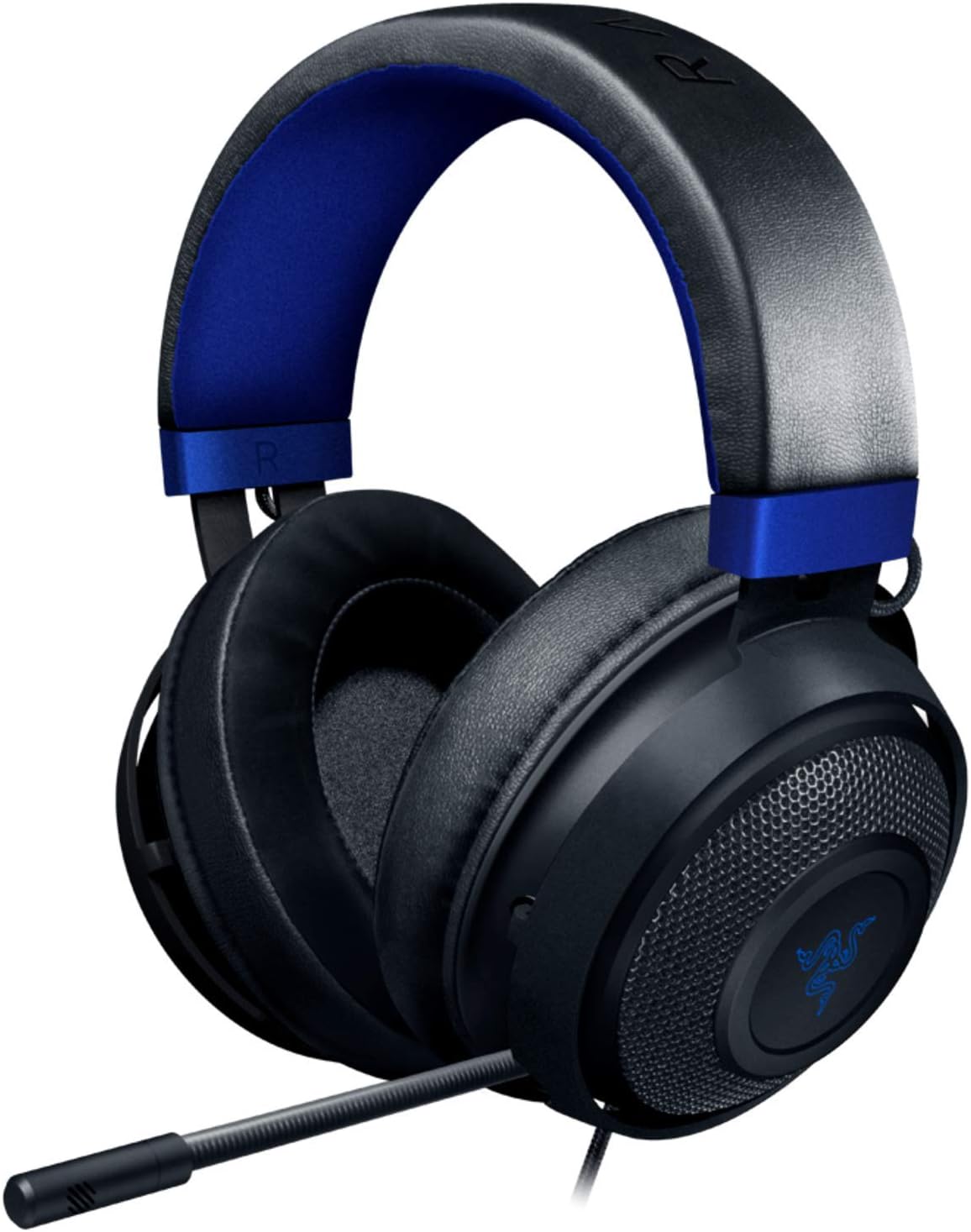
- Custom-tuned 50 mm drivers, larger than the 40 mm units fitted to most mid-size headsets
- Bauxite aluminium headband frame flexes rather than cracking under desk knocks
- Oval ear cushions are infused with cooling gel to slow heat build-up over long sessions
- Retractable cardioid microphone tucks fully into the left cup when not in use
- In-line wheel and mute switch adjust volume without opening any software
Cons
- 7.1 surround is a software layer for Windows 10 64-bit only, so consoles and Mac get plain stereo
- Wired 3.5 mm connection only, with no wireless option and no USB path for inline amplification
- Passive isolation only, with no active noise cancelling for a noisy commute
Sound comes from custom-tuned 50 mm drivers, a step up in cone area from the 40 mm units common in this class, and that extra area is where the low-end weight in explosions and engine notes comes from. Positional 7.1 surround is a software layer rather than physical speakers, applied by a driver on Windows 10 64-bit.
- Stereo imaging is wide enough to place footsteps left and right without the surround layer
- Bass is emphasised, so a manual equaliser helps if you also listen to acoustic music
- Consoles and Mac receive plain stereo through the 3.5 mm jack
For competitive shooters the surround profile widens the stage and helps with cues from behind. For single-player games and music, the untouched stereo signal is the cleaner choice.
Pros
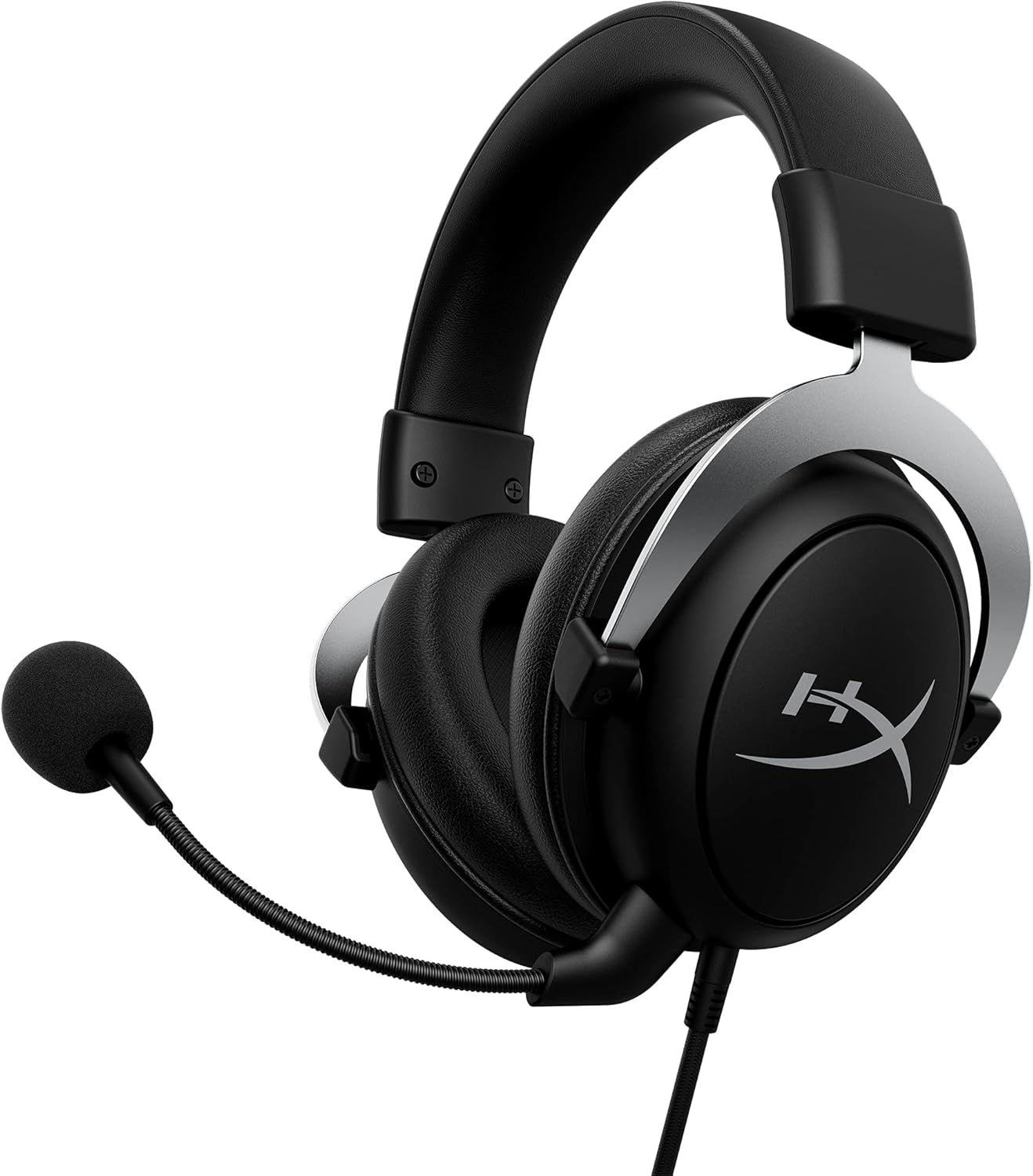
- Officially licensed and tested by Microsoft for compatibility with Xbox controllers that have a 3.5mm headset jack
- Detachable noise-cancelling microphone can be removed entirely when only music playback is needed
- Inline audio controls adjust volume and mute the mic without pausing to dig into console settings
- Braided cable resists fraying and tangling better than a standard rubber-coated cable
Cons
- Wired-only connection through a 3.5mm jack, so it will not work with wireless-only Xbox setups without an adapter
- No standalone volume mixing for game and chat audio beyond the basic inline controls

Pros
- TRIFORCE 40 MM DRIVERS Razer patented 3-part driver design pushes out
- RETRACTABLE HYPERCLEAR CARDIOID MIC The improved pickup pattern in the
- 7.1 SURROUND SOUND With our advanced 7.1 surround sound, enjoy
- COMFORTABLE MEMORY FOAM CUSHIONS Features hybrid fabric and leatherette
- CONVERTIBLE TYPE C TYPE A CABLE Enjoy immersive audio across various
Pros
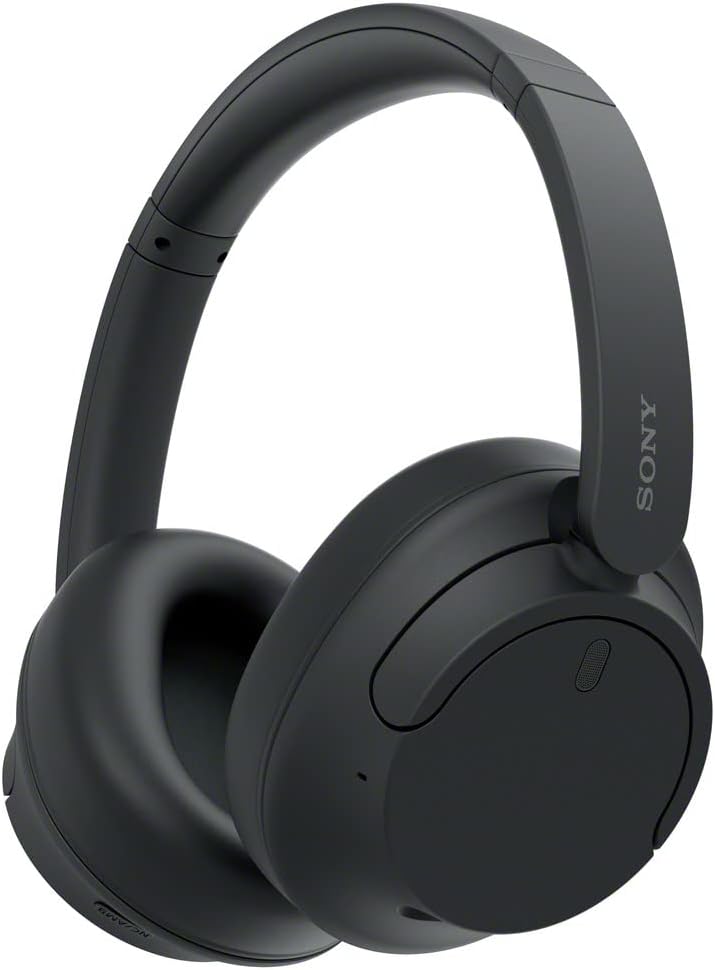
- Up to 35 hours per charge, with 3 minutes on USB-C returning about an hour of playback
- Multipoint holds two Bluetooth devices, so a phone call takes over from a laptop without re-pairing
- Ambient Sound mode steps through 20 discrete levels, with a Focus on Voice setting for announcements
- 3.5 mm analogue input keeps them usable on aircraft entertainment systems and after the battery dies
Cons
- Earcups swivel flat but the headband does not fold inward, so the pack shape stays wide in a bag
- No carry case in the box, only the USB-C cable and the analogue lead
- Codec support stops at SBC and AAC, with no LDAC or aptX for higher-bitrate wireless streaming

Pros
- Weighs just 282 grams with memory-foam leatherette ear cups and an aluminum-reinforced headband for long sessions
- 50mm neodymium drivers are custom-tuned, with Dolby Atmos spatial audio available on PC
- SonarWorks SoundID lets the sound profile be tailored to personal hearing preferences on PC and Mac
- A 3.5mm connector gives broad compatibility across PC, Mac, Xbox Series X/S, PS5, PS4, Nintendo Switch, and mobile devices
- Flip-to-mute omni-directional microphone mutes instantly without digging through software settings
Cons
- Wired-only design with a 3.5mm connector, so there is no wireless or Bluetooth mode for cutting the cable
- Dolby Atmos spatial audio is limited to PC use rather than working across every connected platform
- Full customization through iCUE software requires a PC or Mac connection; console users lose access to those adjustments

Pros
- TriForce 50mm Gen-2 drivers separate highs, mids, and lows for clearer footstep and cue detection than single-driver designs
- 70-hour battery life on a charge outlasts most wireless gaming headsets rated for a single day of play
- Detachable 9.9mm cardioid microphone removes for storage or travel, and auto-mutes when pivoted upward
- Three connectivity modes - 2.4GHz HyperSpeed Wireless, Bluetooth, and wired USB - cover PC, console, and mobile without separate dongles
Cons
- 7.1 surround sound is a virtual, software-processed effect rather than true multi-driver surround hardware
- Switching between 2.4GHz and Bluetooth modes depends on SmartSwitch Dual Wireless pairing, which adds a setup step over a single fixed connection
- Sold in black only, with no alternate colorway listed
Audio comes from TriForce 50mm Gen-2 drivers, tuned to separate highs, mids, and lows for clearer footstep and cue detection, backed by 7.1 surround sound processing for positional awareness. The detachable 9.9mm HyperClear Cardioid microphone uses a unidirectional pickup pattern to reduce background noise pickup during voice chat.
- TriForce 50mm Gen-2 drivers
- 7.1 virtual surround sound processing
- Detachable 9.9mm cardioid microphone
The mic auto-mutes when pivoted upward and detaches fully when not needed, useful for anyone switching between gaming sessions and mic-free listening.
The headset connects through three modes - 2.4GHz HyperSpeed Wireless, Bluetooth, and wired USB - covering PC, console, and mobile devices without needing separate hardware for each. A single charge delivers up to 70 hours of battery life, and SmartSwitch Dual Wireless lets the two wireless modes swap without unpairing.
- 2.4GHz HyperSpeed Wireless, Bluetooth, and USB modes
- Up to 70 hours of battery life per charge
- SmartSwitch Dual Wireless for switching connections
Because SmartSwitch governs the wireless mode change, moving between a 2.4GHz PC dongle and a Bluetooth phone connection takes a deliberate switch step rather than an automatic handoff.
How to Choose the Best Headsets Under $100
Not every budget headset is built the same way, so it helps to know what separates a comfortable daily driver from one that ends up in a drawer. Below are the factors worth checking before you add anything to your cart.
Comfort for Long Sessions
If you wear a headset for hours, weight and padding matter more than spec sheets. Memory foam ear cushions and a padded headband reduce pressure points during long gaming sessions or workdays. Look for breathable materials if you run warm, since foam pads can trap heat over time.
Microphone Quality for Calls and Voice Chat
A good budget headset should sound clear on Zoom calls and in-game voice chat alike. Noise-canceling or cardioid mics pick up your voice while filtering out keyboard clatter and background noise. Detachable or flip-to-mute mics are handy if you switch between work and gaming often. For a deeper comparison focused purely on call clarity, our guide to headsets with microphone breaks down the top options.
Wireless vs. Wired Connections
Wireless headsets free you from cable tangles and let you walk around during calls, but they need charging and can add slight audio latency. Wired headsets skip the battery anxiety entirely and often deliver more consistent audio for the price. Neither option is objectively better — it depends on how you use your setup day to day.
Sound Signature and Drivers
Larger drivers, usually 40mm to 50mm, tend to produce fuller bass and clearer mids. Some headsets in this price range add virtual surround sound, which can help you pinpoint footsteps in competitive games. If music and movies matter more than gaming, prioritize a balanced sound signature over an aggressive bass boost. Closed-back designs also isolate outside noise better, which matters if you share a room or live near street traffic.
Top Picks for Every Use Case
Rather than ranking every option the same way, it’s more useful to match a headset to how you’ll actually use it. Here’s where each pick in this roundup earns its spot.
Best for Work Calls and Office Use
If your headset spends most of its life on video calls, the Wireless Work Headset is worth a look. It pairs a mute-capable boom mic with a USB dongle for plug-and-play setup on a laptop or desktop. At 4.8 stars, reviewers consistently praise its clarity on calls over comfort during marathon gaming sessions.
Best for Wireless Freedom
For gamers who want to cut the cord without sacrificing responsiveness, the Razer BlackShark V3 X HyperSpeed uses low-latency 2.4GHz alongside Bluetooth, so you can pair it with a console and phone simultaneously. Battery life stretches to roughly 70 hours, which means fewer nights spent hunting for a charging cable. It’s a strong fit if you already own Razer peripherals and want matching software. For more untethered options, check our best wireless headsets roundup.
Best for Competitive Gaming
Footstep detection matters in competitive shooters, and the Razer Kraken has built a reputation among nearly 50,000 reviewers for accurate positional audio. Its retractable, noise-isolating mic stays out of the way between rounds. The lightweight aluminum frame also holds up better to daily use than plastic-only builds. See more esports-ready options in our best headsets for gaming guide.
Best for Console Gaming
Console players who want a headset that works right out of the box should consider the HyperX CloudX, which is officially licensed and tuned for Xbox. Memory foam ear cushions and in-line audio controls make quick volume and mic adjustments easy mid-match. It’s a dependable pick if you’re not interested in tinkering with software.
Best for All-Day Noise Canceling
If your priority is blocking out a noisy office or commute rather than gaming, the Sony WH-CH720N brings active noise cancellation and up to 35 hours of battery life. Its lightweight design makes it comfortable to wear well past the workday. This is less a gaming pick and more an everyday listening companion with a built-in mic for calls.
Best for Immersive Movie and Music Audio
If you split your time between gaming, streaming shows, and music, the Corsair HS65 stands out with Dolby Atmos support for a wider, more layered soundstage. Its aluminum-and-steel frame feels sturdier than most headsets at this price. Reviewers also point to the SoundID software as an easy way to fine-tune the mix without digging through menus.
How Much Headset Do You Actually Need
Not every use case calls for the top of this list. If you mostly join short calls or listen to podcasts, a simple wired option in the $50 to $60 range covers you without wasted features. Gamers chasing an edge in ranked matches benefit more from spending closer to the $90 to $100 ceiling for better mic isolation and driver quality. Streamers and hybrid work-and-play users tend to land in the middle, prioritizing a headset that handles both roles without swapping gear throughout the day. Matching your budget to your actual usage, rather than buying the most expensive option available, is the fastest way to avoid buyer’s remorse.
Mistakes to Avoid When Shopping for Affordable Headsets
A few small oversights account for most of the return requests in this price range. Watch for these before you check out.
- Skipping compatibility checks — not every headset works cleanly across PC, PlayStation, and Xbox, so confirm the platform list first.
- Ignoring clamp force — a tight headband can cause headaches during long sessions, even if the padding feels fine in the store.
- Assuming all “surround sound” is equal — most budget virtual surround is software-driven, not true multi-driver surround.
- Overlooking mic mute controls — an in-line mute switch is far more convenient than digging through software settings mid-call.
None of these are dealbreakers on their own, but they’re worth checking against your specific use case before buying.
Wireless or Wired: Which Fits Your Setup
Choose wireless if you move around during calls, share a small desk with limited USB ports, or simply dislike cable clutter. Choose wired if you want zero latency, don’t want to think about charging, or use your headset for competitive gaming where every millisecond counts. Budget wired options also tend to undercut wireless models at the same quality level, since there’s no battery or radio hardware to pay for. If you’re still weighing both directions, our best wired headsets comparison lays out the trade-offs in more detail.
Neither option is a downgrade — it’s simply a matter of matching the connection type to how and where you’ll actually use the headset.
Who Should Skip a Sub-$100 Headset
Audiophiles chasing studio-accurate sound, and streamers who need a dedicated broadcast-quality microphone, will likely outgrow this price bracket quickly. Budget headsets prioritize a balance of comfort, mic clarity, and durability rather than reference-grade audio. If pinpoint accuracy or professional voice capture is non-negotiable for your work, a separate microphone paired with open-back headphones may serve you better. Similarly, if you already own high-end studio monitors or an audiophile DAC, pairing them with a $100 headset would waste that investment rather than complement it.
Frequently Asked Questions
Are $100 headsets good enough for gaming?
Yes, for most players. Headsets like the HyperX Cloud II and Razer Kraken deliver comfortable fit and clear positional audio that competes with pricier models. You’d mainly upgrade beyond $100 for premium materials or wireless features rather than a dramatic sound quality jump.
Do budget headsets have good microphones for work calls?
Many do, especially models marketed for office or remote work use. Look for noise-canceling or cardioid mics with a physical mute button for the clearest calls. Reviews with high volume, like those on the Wireless Work Headset, are a good signal of consistent call quality.
Is wireless or wired better under $100?
It depends on your priorities. Wireless suits people who value freedom of movement, while wired suits anyone who wants the lowest latency and no charging routine. Both connection types have solid options in this price range.
How long do budget headsets typically last?
With normal use, a well-built sub-$100 headset should last two to three years before ear pads or cables need replacing. Ear pad wear is usually the first sign of age, and some brands sell replacement pads separately.
Can I use a gaming headset for work calls too?
In most cases, yes. Gaming headsets with a detachable or flip-up mic, like the HyperX CloudX, work fine for video calls as long as the platform supports a standard USB or 3.5mm connection. Just confirm your video conferencing software recognizes the mic before an important call.
Ultimately, the best headsets under $100 for you come down to where you’ll spend the most hours wearing them. Match the use case first, then let comfort and mic quality break the tie between similarly priced options.


