Owen Bradley
 Few things ruin an online game like lag: the delay, stutter, and rubber-banding that turn a winnable match into a frustrating mess. While a wired connection is ideal, plenty of gamers play over Wi-Fi and can still cut lag dramatically with the right adjustments. This guide walks you through how to reduce lag for online gaming on Wi-Fi, step by step, so your connection keeps up with your reflexes.
What Causes Wi-Fi Gaming Lag
Lag usually comes down to latency, the time it takes data to travel between your device and the game server, plus packet loss and interference. Wi-Fi is more prone to these than a wired connection because the signal competes with other devices, neighboring networks, and physical obstacles. Reducing lag means lowering latency, cutting interference, and making sure your game traffic gets priority. The steps below tackle each of these.
Step-by-Step: Reducing Gaming Lag on Wi-Fi
- Move closer to the router. The stronger and cleaner your signal, the lower your latency. Play in a room near the router, or reposition the router closer to your gaming space.
- Use the 5 GHz band. Connect your gaming device to the 5 GHz band, which is faster and less congested than 2.4 GHz, provided you are within its shorter range.
- Reduce network congestion. Pause large downloads and 4K streams on other devices while you game, since they compete for bandwidth and spike your latency.
- Enable Quality of Service (QoS). In your router settings, turn on QoS and prioritize your gaming device or traffic, so the router puts your game packets first when the network is busy.
- Change your Wi-Fi channel. Switch to a less congested channel to avoid interference from neighboring networks, which reduces packet loss and jitter.
- Update firmware and drivers. Keep your router firmware and your device’s network drivers current, since updates often improve stability and performance.
- Restart before playing. A quick reboot of your router clears temporary congestion and can lower latency for your session.

Why Quality of Service Matters
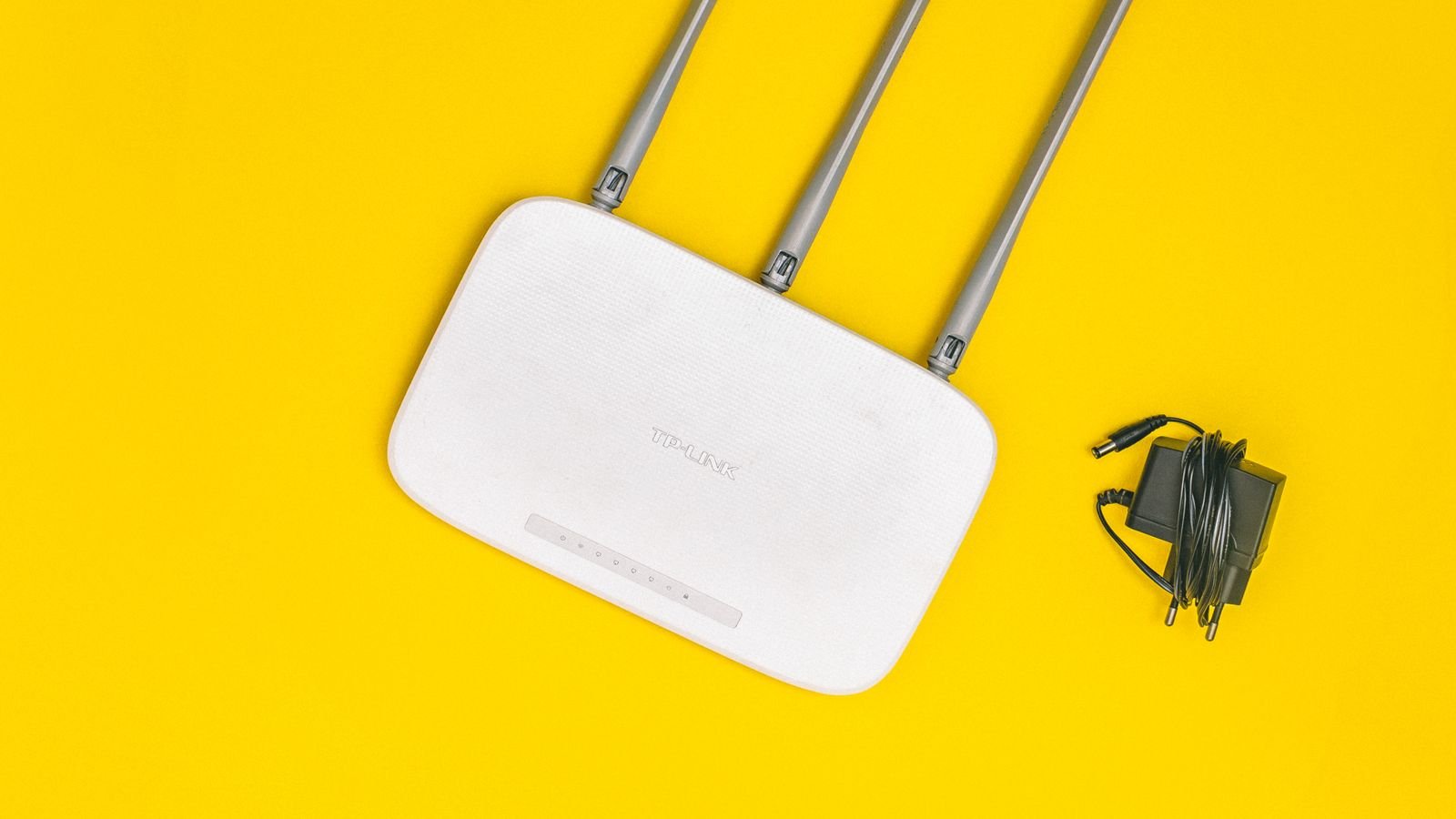
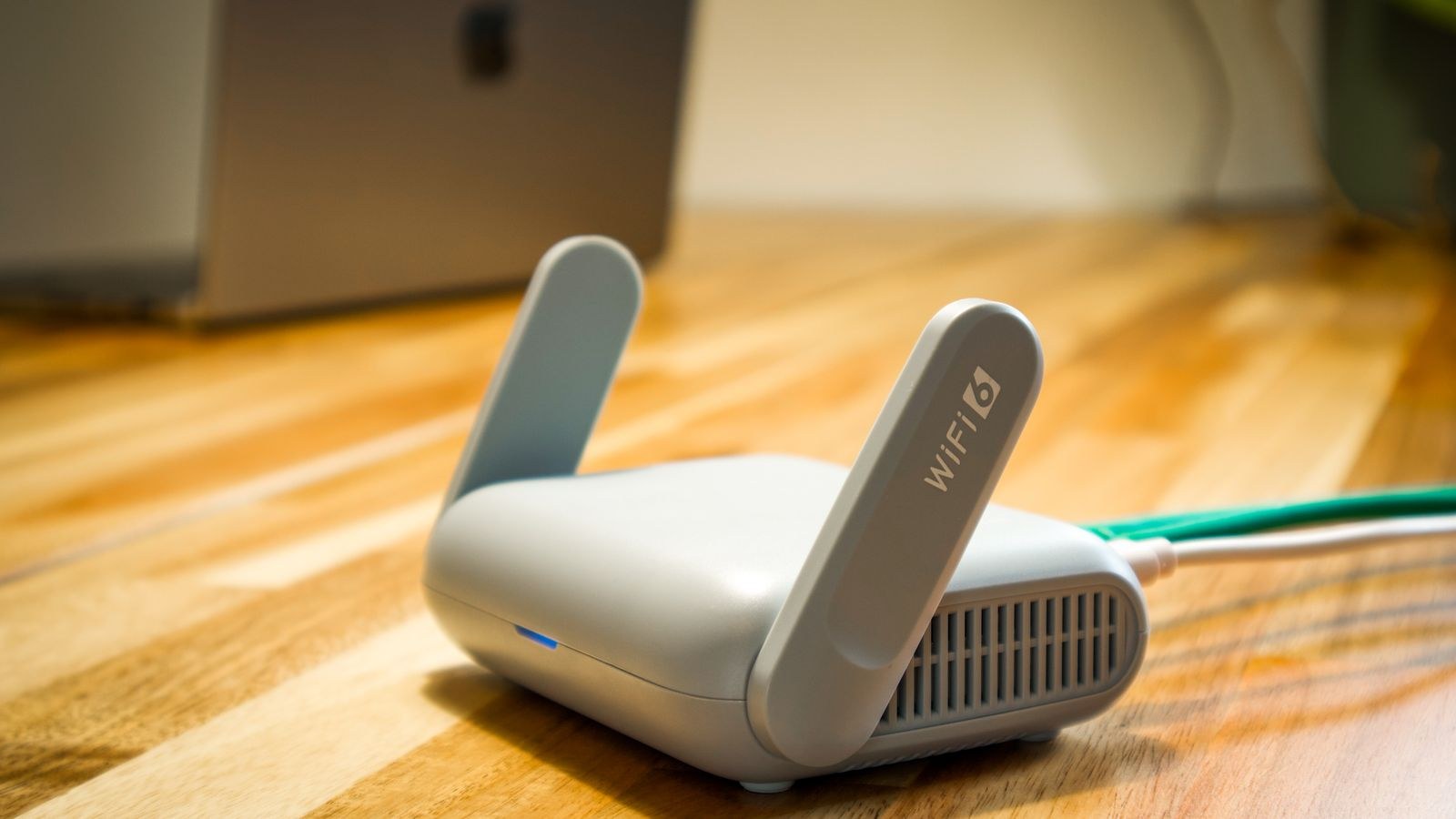
Quality of Service is one of the most powerful tools against gaming lag on a shared network. When several devices use the internet at once, the router normally treats all traffic equally, so a big download can crowd out your game’s small but time-sensitive packets. QoS lets you tell the router to prioritize your gaming device, keeping your latency low even when others are streaming or downloading. Setting it up usually takes just a few clicks in the router’s app. Routers built for gaming take this further with advanced prioritization and anti-lag features; the best gaming routers are designed around low latency, while the best routers for bufferbloat specifically tackle the latency spikes that occur when your connection is under load.
Extra Ways to Cut Lag
- Choose the nearest server: In games that let you pick a region, select the closest server to minimize the distance your data travels.
- Close background apps: Updates, cloud syncs, and streaming apps running in the background steal bandwidth. Close them before playing.
- Limit connected devices: The more devices on your network, the more competition for bandwidth. Disconnect idle ones during intense sessions.
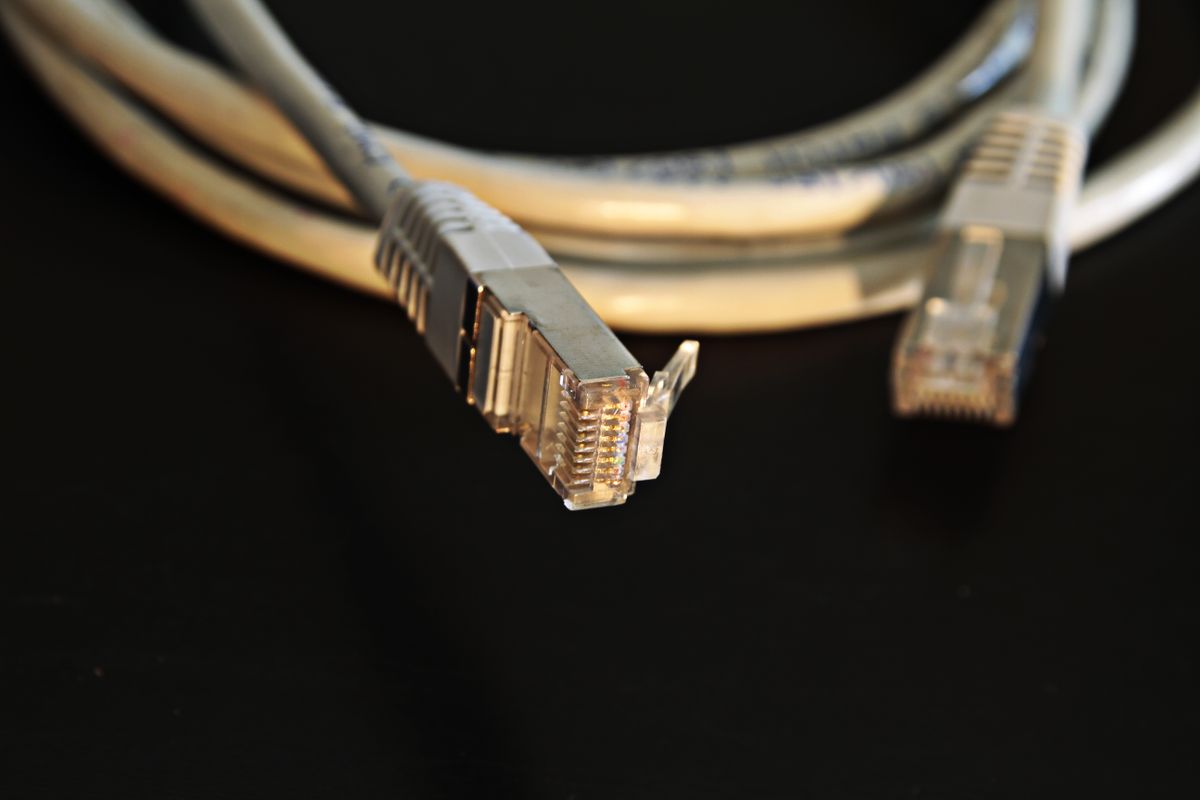
- Consider a wired backup: If lag persists, even a temporary Ethernet cable or a powerline adapter can deliver the stability Wi-Fi struggles to match.
When to Upgrade Your Setup
If you have optimized placement, enabled QoS, cleared congestion, and still battle lag, your router may simply be too old or basic to handle modern gaming on a busy network. Older routers lack the processing power and advanced traffic management that keep latency low under load. Upgrading to a router built for gaming, with strong QoS and bufferbloat control, often delivers the biggest single improvement. Before spending, though, work through the free steps above, since better placement, a clear channel, and prioritized traffic solve lag for many players without any new hardware.
Frequently Asked Questions
Is Wi-Fi good enough for online gaming?
Yes, for most games, provided you have a strong signal, use the 5 GHz band, and enable QoS. Competitive players who need the lowest possible latency still prefer a wired connection, but well-optimized Wi-Fi handles online gaming fine.
Does QoS really reduce lag?
It can help significantly on a shared network by prioritizing your game traffic over downloads and streams. On a network where you are the only user, its impact is smaller, but in a busy household it makes a real difference.
Why does my ping spike during games?
Spikes usually come from network congestion, interference, or bufferbloat when another device loads the connection. Enabling QoS, clearing congestion, and switching to a clear channel typically smooths them out.
Understanding Bufferbloat
One cause of gaming lag deserves special attention because it surprises many players: bufferbloat. It happens when your connection is loaded, say by an upload or a large download, and your router buffers so much data that time-sensitive game packets get stuck waiting in line. The result is sudden latency spikes even though your overall speed looks fine, which is why your ping can jump the moment someone else in the house starts a big transfer. Ordinary speed tests often miss bufferbloat entirely, so a game can feel laggy despite a fast connection. The fix is smart queue management, a feature in modern QoS systems that keeps the buffer from overfilling and prioritizes latency-sensitive traffic. Routers with strong bufferbloat control keep your ping stable even under heavy network load, which is exactly the condition that ruins online matches, so it is worth understanding when you evaluate your setup.
Testing Your Connection
To fix lag effectively, measure your connection so you know what you are dealing with rather than guessing. Run a latency or ping test, ideally one that measures ping both when idle and under load, since the difference reveals bufferbloat that a plain speed test hides. Note your ping to the game servers you play on, and watch for packet loss, which shows up as missing or delayed data and causes stutter. Test over Wi-Fi in your usual gaming spot, then, if possible, compare against a wired connection to see how much your Wi-Fi is contributing. These measurements tell you whether your problem is latency, packet loss, interference, or bufferbloat, so you can apply the right fix instead of trying everything blindly. Retesting after each change confirms what actually helped.
Final Thoughts
Reducing lag for online gaming on Wi-Fi comes down to a strong, clean signal and prioritized traffic. Move closer to the router, use the 5 GHz band, clear congestion, enable QoS, pick a clear channel, and keep your firmware current. Choose the nearest game server and close bandwidth-hungry background apps. If lag persists after all that, a gaming-focused router with strong QoS and bufferbloat control is the upgrade most likely to help. Work through these steps and your Wi-Fi can keep pace with your play.