Owen Bradley
 When your internet slows down or drops out, resetting your router and modem is one of the most effective first fixes, but only if you do it in the right order. Done wrong, you can lose settings or fail to clear the problem. Done right, it refreshes your connection and often restores full speed in minutes. This guide explains how to reset your router and modem the right way, step by step, and when to use each type of reset.
Reboot vs Factory Reset
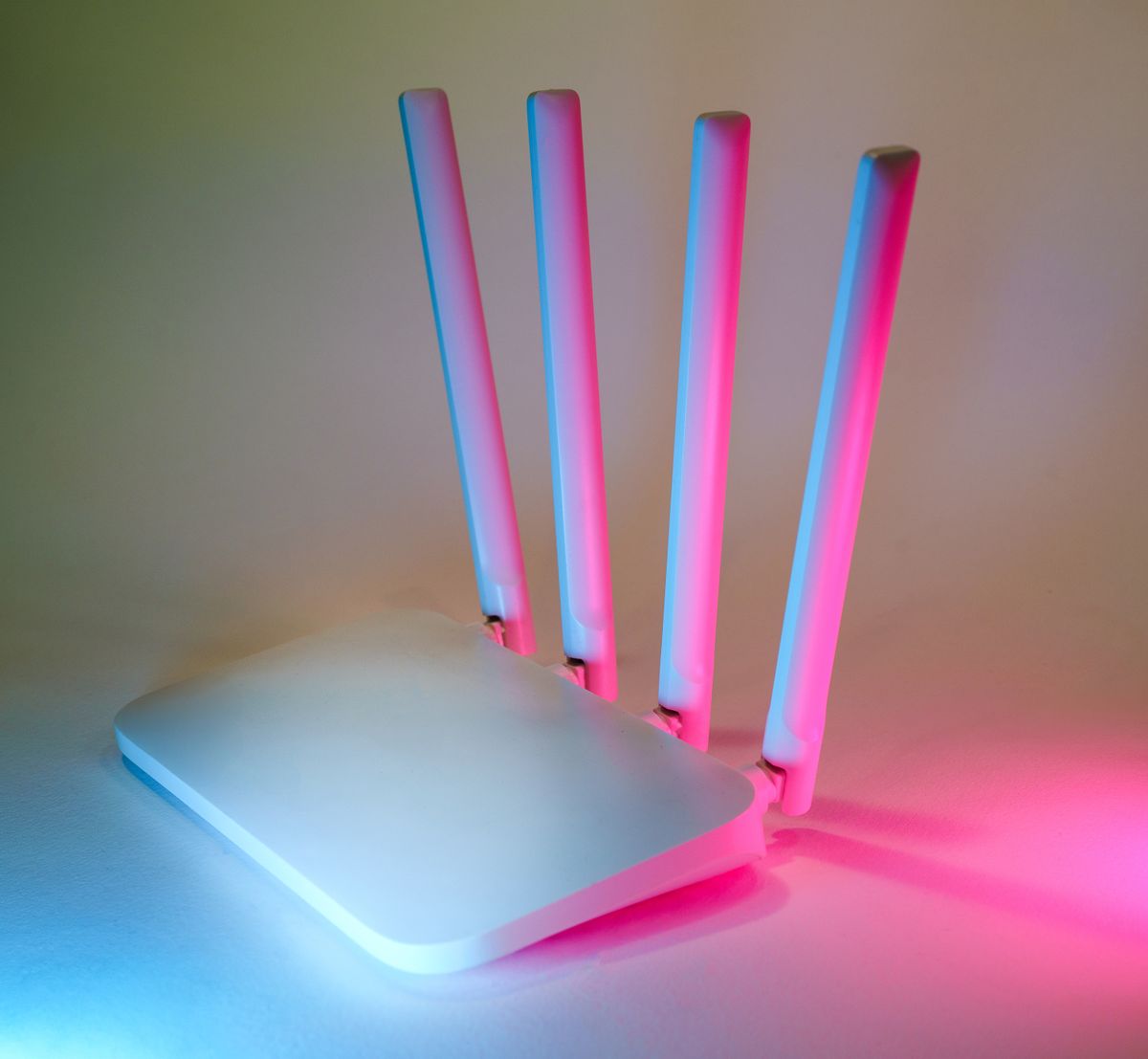
First, understand the difference. A reboot, or power cycle, simply turns the devices off and on to clear temporary glitches; it keeps all your settings. A factory reset erases everything and returns the device to its out-of-box state, which you only need for serious problems or before reconfiguring. Start with a reboot, since it fixes most issues without the hassle of reconfiguring your network.
Step-by-Step: Power Cycling the Right Way
- Unplug both devices. Disconnect the power from both your modem and your router. If they are a combined unit, unplug that single device.
- Wait at least 30 seconds. This pause lets the devices fully clear their memory and signals the network that the connection is resetting. Waiting a full minute does no harm.
- Plug in the modem first. Power on the modem alone and wait for its lights to stabilize, which usually takes a minute or two. The modem must establish its connection to your provider before the router.
- Plug in the router next. Once the modem is fully online, power on the router and wait for its lights to settle. This order ensures the router connects to a ready modem.
- Test your connection. Connect a device and check that the internet works. Reconnecting in the correct order resolves most slowdowns and dropouts.
The order matters because the modem links your home to your internet provider, and the router then distributes that connection. Powering the modem first gives the router a live connection to latch onto.
When to Do a Factory Reset
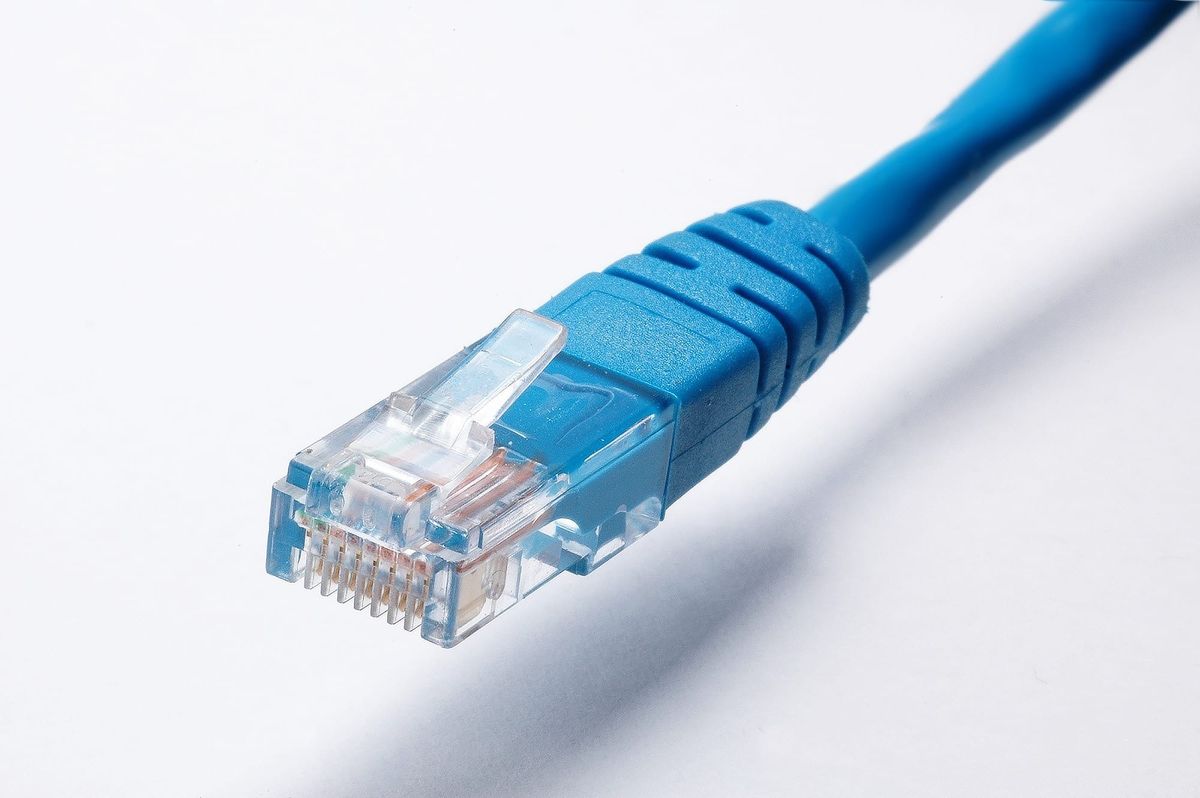
A factory reset is a bigger step, reserved for when a reboot does not help. Use it if your router is badly misconfigured, you have forgotten the admin password, you are selling or giving away the device, or persistent problems will not clear. To perform one, find the small recessed reset button, usually on the back, and hold it with a paperclip for about 10 to 30 seconds until the lights flash. Be aware that this erases your network name, password, and all custom settings, so you will need to set the device up again from scratch. Only reach for a factory reset when a simple reboot has failed.
After a Factory Reset
Once you factory reset a router, you must reconfigure it. Reconnect it to the modem, log in using the default credentials printed on the device, and set a new network name and a strong password. Update the firmware, re-enable security features, and recreate any custom settings such as a guest network or parental controls. Keep the default login details handy during this process. If your router is old and problems keep returning even after resets, it may be time to replace it; the best modem routers combine both devices in one unit for a simpler setup, while the best internet routers offer strong standalone performance.
Troubleshooting Tips
- Reboot first, always: A simple power cycle in the correct order fixes most issues without erasing settings.
- Check the cables: Loose or damaged cables mimic connection problems. Reseat every cable before assuming a device has failed.
- Note your lights: Learn what your modem and router lights mean, since a steady versus blinking light tells you where the problem lies.
- Contact your provider: If resetting does not help, the issue may be on your provider’s end rather than your equipment.
Frequently Asked Questions
Should I reset the modem or router first?
When powering back on, start the modem first and wait until it is fully online, then power on the router. This lets the router connect to a ready modem and internet connection.
How long should I wait before plugging devices back in?
Wait at least 30 seconds after unplugging, though a full minute is fine. This ensures the devices clear their memory and the network registers the reset.
Will resetting my router delete my settings?
A reboot or power cycle keeps all your settings. Only a factory reset erases your network name, password, and custom configuration, so use that only when necessary.
How Often Should You Reset?
Resetting is a troubleshooting tool, not a routine chore, so it helps to know when reaching for it makes sense. If you find yourself power cycling your equipment every few days just to keep the internet working, that pattern is a red flag rather than a normal maintenance habit. Occasional reboots to clear a temporary glitch are perfectly fine, and some people schedule a monthly restart to keep things running smoothly. But a router or modem that constantly needs resetting is usually signaling a deeper issue, such as overheating, failing hardware, outdated firmware, or a problem on your provider’s end. Before assuming the worst, make sure the devices have good ventilation and are running the latest firmware, and check whether your provider reports outages in your area. If frequent resets continue despite all that, the equipment itself may be wearing out and due for replacement, since chasing the same problem with daily reboots only masks it.
Preventing the Problems That Lead to Resets
Many of the slowdowns that send people reaching for the reset button can be prevented with a little upkeep. Keep your router and modem in a well-ventilated, open location rather than a closed cabinet, since heat is a common cause of instability. Update the firmware regularly so bugs and security holes are patched. Make sure cables are firmly seated and undamaged, as a loose connection produces symptoms that mimic a failing device. Avoid overloading an old router with far more devices than it was designed to handle, which strains it and triggers dropouts. By keeping your equipment cool, updated, and properly connected, you reduce how often you need to reset it in the first place, and you extend the useful life of your hardware.
Final Thoughts
Resetting your router and modem the right way is simple once you know the order: unplug both, wait at least 30 seconds, power the modem first, then the router. Reserve a factory reset for stubborn problems or reconfiguration, and remember it wipes your settings. Check your cables and lights along the way, and if issues keep returning despite resets, consider whether aging equipment is due for an upgrade. A proper reset is often all it takes to restore fast, reliable internet.