
 Marcus Bell
Picking a processor at this price point means balancing raw performance against motherboard costs, cooling needs, and how long the chip will stay relevant. If you are comparing the best CPUs under $300 right now, you have more genuinely good options than ever, from unlocked Intel K-series chips to AMD’s efficient Ryzen APUs. This guide breaks down what actually matters, who each processor suits, and which mistakes quietly derail an otherwise solid budget build.
Quick answer: For most builders shopping in 2026, our top pick among the best CPUs under $300 is the Intel Core i5-14600K — our #1 rated choice for price-to-performance. See the full ranked comparison, alternatives, and buying advice below.
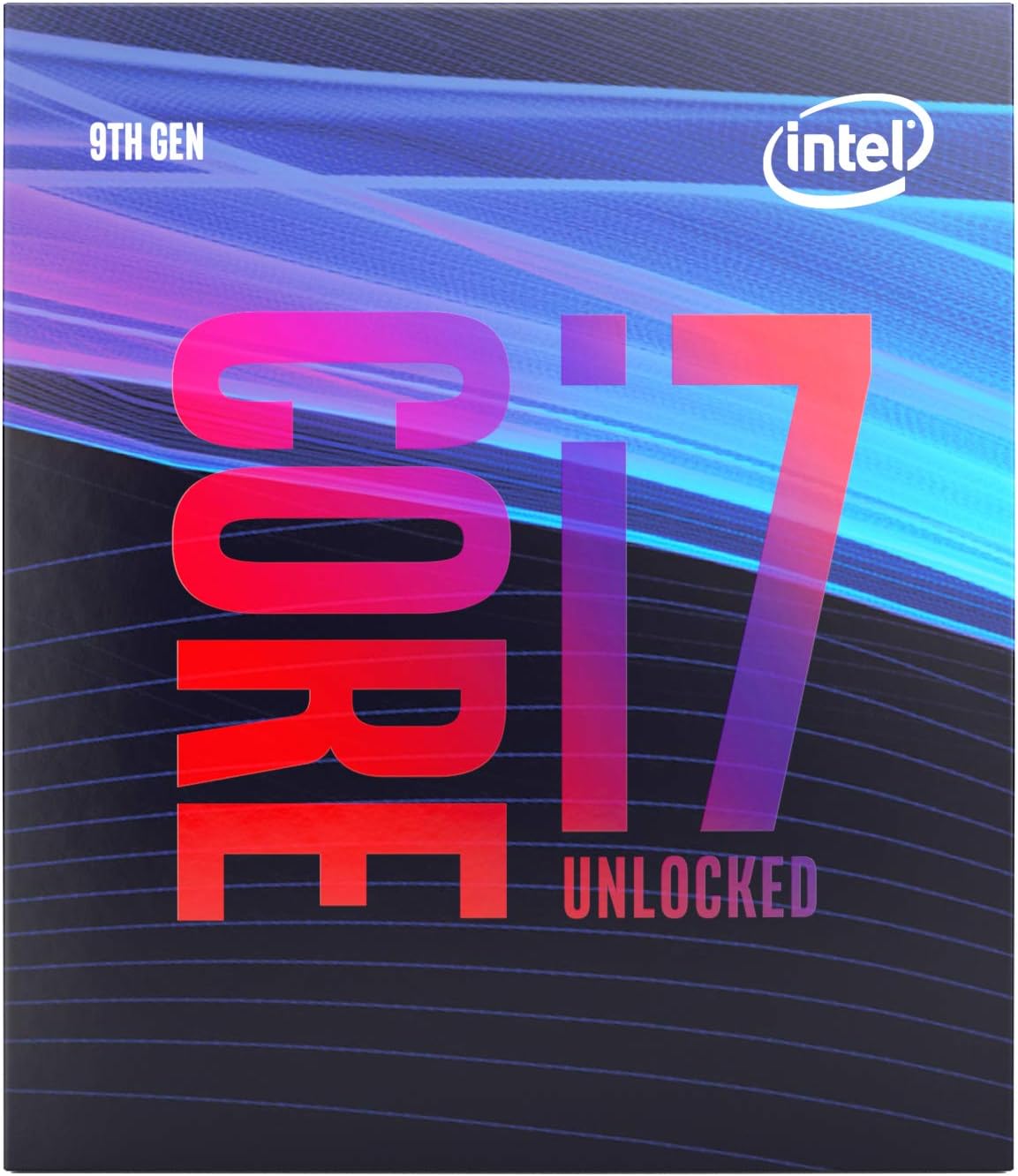
Pros
- 8 physical cores running a 3.6 GHz base with Turbo Boost 2.0 lifting to 4.9 GHz
- Unlocked multiplier for manual overclocking on a Z-series board
- 12 MB of cache feeding all eight cores
- Integrated UHD Graphics 630 drives a display with no discrete card fitted
- Dual-channel DDR4-2666 to a maximum of 64 GB, with 41 GB/s of memory bandwidth
Cons
- No cooler in the box, so a tower or an all-in-one has to be sourced separately for the 95 W thermal load
- Fits only LGA1151 boards on Intel 300 series chipsets, a socket generation with no newer processors to upgrade to
- 8 threads with no simultaneous multithreading, so heavily threaded rendering and compile work trails chips offering 16 threads from the same core count
Eight physical cores run without Hyper-Threading, so the chip presents 8 threads in total. Base clock is 3.6 GHz, with Turbo Boost 2.0 lifting a lightly loaded core to 4.9 GHz, backed by 12 MB of cache.
- The multiplier is unlocked, so a Z390 or Z370 board allows manual overclocking.
- Integrated UHD Graphics 630 drives a display without a discrete card, useful for troubleshooting or a headless build.
- Memory support is dual-channel DDR4-2666 to a maximum of 64 GB, quoted at 41 GB/s.
Eight full cores with high clocks made this chip strong in games and applications that care about per-core speed. In workloads that scale across many threads, such as video encoding and code compilation, the absence of multithreading is where it gives ground.

Pros
- 8 cores and 16 threads handle heavily multi-threaded workloads alongside single-core gaming performance
- Turbo Boost reaches up to 4.9GHz from a 3.6GHz base clock for burst performance in demanding tasks
- 16MB of Smart Cache reduces memory-fetch delays during core-to-core data sharing
- PCIe Gen 4.0 support doubles per-lane bandwidth over PCIe Gen 3.0 for newer GPUs and NVMe drives
Cons
- 125W TDP runs hotter than mid-range chips in the same generation, so a capable cooler is necessary to hit sustained turbo clocks
- LGA 1200 is now a previous-generation socket, without a clear CPU upgrade path on the same motherboard
- Unlocked multiplier for overclocking still needs a Z-series motherboard and aftermarket cooling to make use of, adding to total build cost beyond the chip itself
The i7-11700K is an 11th Gen Core processor with 8 cores and 16 threads, a 3.6GHz base clock, and Turbo Boost reaching up to 4.9GHz. It carries 16MB of Smart Cache and a 125W TDP under sustained turbo load.
- 8 cores / 16 threads handle both single-core gaming loads and multi-threaded workloads
- Base clock of 3.6GHz turbos up to 4.9GHz under supported conditions
- 16MB Smart Cache is shared across all cores for faster data access
The 125W TDP figure reflects sustained operation near turbo clocks, so cooling and motherboard power delivery both need to be sized to keep the chip running at its rated speeds.

Cons
- Installation requires basic carpentry or assembly skills

Pros
- 12 cores split as 8 performance plus 4 efficient, giving 20 threads so a stream encodes while the game runs
- 5.0 GHz maximum turbo on the performance cores with a fully unlocked multiplier for manual tuning
- 25 MB of L3 and 12 MB of L2 cache keeps large compile and simulation working sets close to the cores
- Socket LGA1700 accepts both 600 and 700 series boards, so DDR4 or DDR5 memory are both valid routes
- Thread scheduling hands background tasks to the efficient cores, keeping foreground frame times steadier
Cons
- The KF suffix means there is no integrated graphics, so a discrete card is mandatory just to get a picture
- No cooler in the box, and the 125 W base power climbs far higher under turbo, so a 240 mm liquid cooler or a large tower air cooler is needed
- LGA1700 ended with 14th generation parts, so the socket has little upgrade headroom left
Cooling is the main build decision around this chip.
- A 240 mm or 280 mm liquid cooler, or a large dual-tower air cooler, keeps the performance cores at peak turbo for longer stretches.
- Compact 120 mm coolers will run it, but sustained renders will pull clocks back to keep temperatures in check.
- Case airflow matters as much as the cooler itself, since the heat still has to leave the chassis.
On upgrades, the platform is mature rather than new. LGA1700 closed out with 14th generation parts, so the realistic path from here is more memory, faster storage or a stronger graphics card rather than a future CPU swap. If you want a long CPU upgrade runway, a newer socket suits better; if you want cores today, this delivers them.

Pros
- 14 cores (6 P-cores + 8 E-cores) and 20 threads split performance and efficiency work across two core types
- Unlocked multiplier allows overclocking up to a listed 5.1 GHz boost
- Supports both PCIe 5.0 and 4.0 lanes, plus DDR5-5600 and DDR4-3200 memory, giving builders flexibility on motherboard choice
- Compatible with both Intel 600 series and 700 series chipset motherboards
Cons
- No integrated graphics, so a discrete graphics card is required just to get a display signal
- No thermal solution is included in the box, meaning a CPU cooler is a separate purchase
- 600 series motherboards may need a BIOS update before this CPU will boot, an extra step some buyers won't expect
The i5-13600KF pairs 6 Performance-cores with 8 Efficient-cores for a total of 14 cores and 20 threads, with an unlocked multiplier allowing boost clocks up to 5.1 GHz. It has a processor base power of 125W and does not include integrated graphics, so a discrete graphics card is required to output a display signal.
- Cores/Threads: 14 (6P+8E) / 20
- Max boost clock: up to 5.1 GHz
- Base power: 125W
- Graphics: none, discrete GPU required
Turbo Boost Max Technology 3.0 helps direct workloads to the fastest available cores, which matters for single-threaded tasks that benefit from prioritizing the strongest P-core.

Pros
- 8 cores and 16 threads on Zen 4 architecture handle multi-threaded workloads without a discrete CPU upgrade
- 5.1 GHz max boost clock is unlocked for overclocking on compatible AM5 motherboards
- Integrated Radeon 780M graphics allow gaming without a separate graphics card installed
- DDR5 memory support pairs with the current generation of faster system memory
- Includes the bundled Wraith Spire cooler, so a separate cooling purchase is not required at setup
Cons
- Integrated graphics still trail a dedicated GPU for demanding, high-resolution gaming workloads
- AM5 socket only, so it is not a drop-in upgrade for older AM4-based motherboards
- Overclocking requires a compatible motherboard chipset and adequate cooling beyond the bundled cooler for sustained boost clocks

Pros
- Total Core 20 (8P plus12E)
- Processor Thread 20
- Max Clock Frequency 5.5 GHz
- Intel 800 Series Chipset-based motherboards

Pros
- Designed with Powerful performanceequipped with an Intel N150 processor featuring up to for reliable daily operation
- Designed with Expansive displaythe 14 HD display offers clear and vibrant visuals for reliable daily operation
- Designed with Designed for mobility with a slim 0.71-inch profile and lightweight for reliable daily operation
Cons
- Requires verifying available physical space for HP Essential Lapto prior to setup

Pros
- 14 cores (6 performance + 8 efficiency) reach up to 5.3GHz on the performance cores
- Unlocked multiplier supports manual overclocking on Z-series motherboards
- Supports both DDR5 and DDR4 memory plus PCIe 5.0 and 4.0 for flexible motherboard pairing
- Compatible with Intel 700 series and 600 series chipset motherboards, covering two board generations
- Core power is rated at 125W, in line with other unlocked K-series desktop chips
Cons
- No stock cooler is included, so a separate cooling solution is required before first boot
- The 8 efficiency cores run at a lower clock ceiling than the 6 performance cores, so scheduling-sensitive workloads may see mixed results
- Overclocking headroom depends on motherboard VRM quality, so lower-tier boards may limit results despite the unlocked multiplier
The Core i5-14600K uses a hybrid layout of 6 performance cores and 8 efficiency cores for a total of 14 cores, with performance cores capable of boosting up to 5.3GHz. This split design routes lighter background tasks to the efficiency cores while performance cores handle demanding, latency-sensitive work such as gaming.
- 14 cores (6P+8E) in a hybrid core layout
- Performance cores boost up to 5.3GHz under supported conditions
- Unlocked multiplier allows manual clock adjustment beyond stock settings
This 14th-generation chip is positioned for both gaming and general desktop workloads, aiming to deliver strong single-thread responsiveness from the performance cores while still offering enough total core count for multi-threaded tasks through the efficiency cores.

Pros
- SUPERIOR COOLING The custom-designed Turbine pump efficiently
- BIGGER, BOLDER DISPLAY Enjoy stunning visuals on the large 2.72-inch
- MORE PERSONAL THAN EVER Display your favorite GIF or image, monitor
- SIMPLE INSTALLATION Get set up quickly with pre-applied thermal paste,
- VIBRANTLY COOL The RGB Core single-frame fan on the radiator provides
Cons
- Requires verifying desktop clearance for 15.79"L x 4.72"W x 1.06"H dimensions
What to Look for in the Best CPUs Under $300
Not every $300 processor is built the same way, so it helps to know what you’re actually paying for before you compare spec sheets. Cores, clock speed, and platform support all pull in different directions, and the right balance depends heavily on what you actually do with your PC day to day.
Cores and Threads
More cores help with rendering, encoding, and heavily multitasked workloads, but gaming still leans on a handful of fast cores rather than dozens of average ones. A 6-core or 8-core chip with strong single-core speed is usually plenty for gaming, while creators benefit from the extra threads on 12- and 14-core designs. Don’t assume the highest core count automatically wins for your workload.
Clock Speed and Generation
A newer chip running at a lower clock speed can easily outperform an older one running faster, because architecture improvements boost how much work each core does per cycle. This is often called IPC, or instructions per clock, and it’s why comparing raw GHz across generations is misleading. Compare chips from the same generation, or lean on real benchmark data when comparing across generations.
Socket and Platform Costs
The CPU price tag is only half the story. Some sockets need a pricier motherboard chipset to unlock full performance, and unlocked K-series chips draw enough power that your power supply choice matters more than usual. Factor the total platform cost, not just the chip price, into your budget before you commit to a specific option.
How These CPUs Compare
Here’s a quick side-by-side look at the core specs so you can see how the trade-offs stack up before reading the detailed picks below.
- Intel Core i5-14600K: 14 cores (6P+8E), up to 5.3 GHz, 4.6 stars from 714 reviews.
- Intel Core i5-13600KF: 14 cores (6P+8E), unlocked, 4.7 stars from 1,176 reviews.
- Intel Core i7-12700KF: 12 cores (8P+4E), up to 5.0 GHz, 4.7 stars from 3,199 reviews.
- Intel Core Ultra 7 265KF: 20 cores (8P+12E), up to 5.5 GHz, 4.7 stars from 520 reviews.
- AMD Ryzen 7 8700G: 8 cores / 16 threads with integrated graphics, 4.7 stars from 671 reviews.
- Intel Core i5-13500: 14 cores (6P+8E), up to 4.8 GHz, locked for overclocking, 4.8 stars from 374 reviews.
Best CPU Under $300 for Gaming
If gaming is your priority, the Intel Core i5-14600K is a strong pick. Its 14-core, 6P+8E layout hits clock speeds up to 5.3 GHz, which translates into snappy frame rates in most modern titles. It also has enough headroom left over for background tasks like streaming or Discord without noticeable stutter.
A close runner-up is the Intel Core i5-13600KF, another 14-core unlocked chip that trades a slightly older architecture for a lower typical street price. Pair either one with fast RAM to avoid bottlenecking your graphics card, especially if you’re running a high-refresh-rate monitor.
Neither chip includes integrated graphics worth relying on for serious gaming, so budget for a discrete GPU separately if you don’t already own one.
Best CPU Under $300 for Content Creation and Multitasking
Video editors, streamers, and anyone juggling multiple heavy apps at once should look at core count first. The Intel Core i7-12700KF offers 12 cores (8P+4E) and clocks up to 5.0 GHz, giving you enough parallel horsepower for exporting footage while still browsing or gaming in the background.
If you want the newest architecture in this price range, the Intel Core Ultra 7 265KF steps things up further with 20 cores (8P+12E) and speeds up to 5.5 GHz. It’s the most future-facing option here, though it typically needs a newer motherboard chipset, so double-check compatibility before ordering.
For either chip, a fast SSD makes a noticeable difference in how quickly large project files load and save, so it’s worth upgrading storage alongside the CPU itself.
Best Budget-Friendly AMD Option Under $300
Not everyone wants to deal with a separate chipset and cooling considerations, and that’s where the AMD Ryzen 7 8700G stands out. It packs 8 cores and 16 threads with genuinely usable integrated graphics, meaning you could run light games or general productivity without buying a GPU right away.
This makes it a smart choice for a first build, a home office PC, or a temporary rig while you save toward a discrete graphics card later. The trade-off is that its gaming ceiling with the integrated GPU is modest compared to a dedicated card paired with a lower-tier CPU, so heavy gamers should look elsewhere on this list.
Best CPU Under $300 for Everyday Use and Light Gaming
If you don’t need bleeding-edge performance, the Intel Core i5-13500 is worth a look. Its 14 cores (6P+8E) and up to 4.8 GHz clock speed handle browsing, office work, and moderate gaming comfortably, and it typically costs less than the unlocked K-series chips above.
Because it isn’t unlocked for overclocking, it also pairs with cheaper motherboards, which can offset the price difference and leave more of your budget for a GPU or extra storage. It’s a sensible middle ground if you want reliable performance without chasing the absolute ceiling.
Common Mistakes to Avoid When Buying a CPU Under $300
A surprising number of budget builds underperform not because of the CPU itself, but because of what got overlooked around it. Watch out for these issues before you check out.
- Ignoring socket compatibility: Always confirm your motherboard supports the exact socket and chipset the CPU needs before buying, especially with newer Core Ultra chips.
- Skipping cooling on unlocked chips: K-series and KF-series CPUs run hot under sustained load and need a cooler that goes beyond the bare minimum stock option.
- Undersizing the power supply: Unlocked, high-core-count chips can spike power draw during intensive tasks, so leave headroom in your PSU rating rather than cutting it close.
- Chasing core count alone: More cores don’t always mean better gaming performance; check single-core benchmarks for your specific use case first.
- Forgetting RAM speed: Even a great CPU gets bottlenecked by slow memory, particularly on builds relying on integrated graphics.
- Overlooking older-generation deals: A previous-generation chip like the i7-9700K can still be a fine value pick for lighter workloads if the price is right.
Who Should (and Shouldn’t) Spend $300 on a CPU
A $300 processor makes sense if you’re building a gaming PC you plan to keep for several years, editing video regularly, or running demanding multitasking workloads. You’re paying for headroom that pays off over time rather than needing to upgrade again soon.
On the other hand, if you mainly browse, stream video, and use office apps, you likely don’t need this much processing power. A cheaper chip paired with a solid SSD will feel just as responsive for everyday tasks, and you’ll save money to put toward a GPU or monitor instead.
It’s also worth pausing if your current motherboard doesn’t support any of these chips. Sometimes a platform upgrade eats more of the budget than the CPU itself, and that math should factor into your final decision before you check the current price on Amazon.
Frequently Asked Questions
What is the best CPU under $300 for gaming right now?
The Intel Core i5-14600K offers the strongest overall gaming performance in this price range, thanks to its high boost clocks and balanced core layout. The i5-13600KF is a solid alternative if you find it priced lower.
Do I need a K-series or KF-series CPU if I’m not overclocking?
Not necessarily. Unlocked chips cost more and need better cooling, so if you never plan to overclock, a locked chip like the i5-13500 can save money without sacrificing everyday performance.
Is AMD or Intel better for a $300 budget?
Both make excellent chips at this price. AMD’s Ryzen 7 8700G stands out for built-in graphics and simpler upgrades, while Intel’s lineup generally offers more raw core count and clock speed for gaming and creation work.
Will I need a new motherboard if I upgrade my CPU?
It depends on your current socket and chipset. Newer chips, especially the Core Ultra series, often require a different motherboard generation, so check compatibility before you buy the CPU itself.
How much RAM should I pair with a CPU in this price range?
16GB is a comfortable minimum for gaming and general use, while 32GB is worth considering if you edit video or run multiple demanding apps at once. Memory speed matters too, especially for chips leaning on integrated graphics.
Is it worth buying an older-generation CPU to save money?
Sometimes. An older chip like the i7-9700K can still handle everyday tasks and moderate gaming well, but you’ll miss out on efficiency gains and platform features found on newer sockets, so weigh the discount against how long you plan to keep the build.


