
 Marcus Bell
Shopping for a new processor can turn into a spec-sheet headache fast, especially once core counts climb into double digits. If you searched for the best 16 core CPUs, you’re likely comparing options for a gaming rig, a streaming setup, or a home workstation that needs to chew through heavier workloads. Core count marketing gets confusing fast, and paying for cores you’ll never use is an easy way to overspend on a build. This guide breaks down what actually matters, who benefits from 16 cores, and which chips are worth your money in 2026.
Quick answer: If you only read one paragraph, here it is: for most builders in 2026, the best 16 core CPUs pick is the AMD Ryzen 9 9950X — our #1 rated choice thanks to its balance of multi-core throughput, gaming performance, and mainstream AM5 platform support. See the full ranked comparison, alternatives, and buying advice below.

Pros
- Designed with 7235330 Intel Wi-Fi 6 Gig enabled PCs and wireless networks for reliable daily operation
- Designed with Optimize PC performance for the experience youve been waiting for for reliable daily operation
- Designed with Stream browse edit video chat or just take care of for reliable daily operation
Cons
- Requires verifying available physical space for Intel Core i9-1290 prior to setup

Pros
- Designed specifically for CPU Processors application requirements
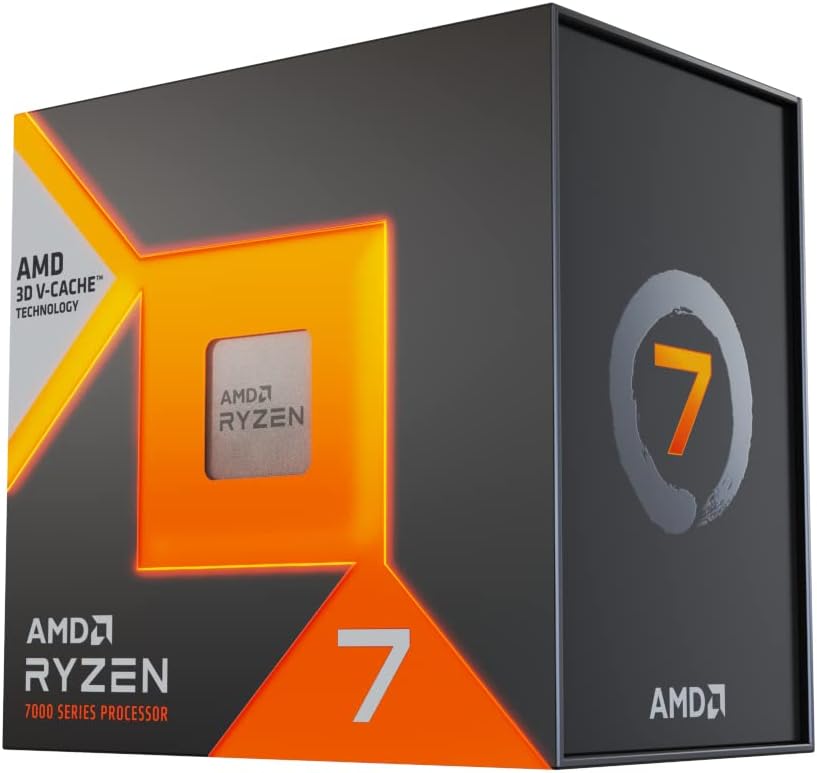
Pros
- 8 cores and 16 threads on a 5 nm process, with a 4.2 GHz clock quoted for the part
- 96 MB of L3 cache stacked on the compute die plus 8 MB of L2, which is what lifts frame rates in simulation-heavy games
- Integrated graphics running at 2200 MHz, so the machine boots and drives a display with no card fitted
- AM5 platform brings DDR5 memory and PCIe 5.0 lanes for both the graphics slot and an M.2 drive
- Holds clocks until it reaches a Tjmax of 89 C, so high load numbers are designed behaviour rather than a warning
Cons
- No cooler is included, so a large air tower or a 240 mm liquid cooler has to be added
- AM5 socket and DDR5 only, so an AM4 board and existing DDR4 kits do not carry over
- The integrated graphics are display-out class rather than gaming class, so a discrete card is effectively mandatory

Pros
- Eight Zen 5 cores and sixteen threads paired with 96MB of L3 from second-generation 3D V-Cache
- Boosts to 5.2 GHz because the stacked cache now sits beneath the compute die, letting heat escape upward
- Roughly 16% IPC uplift over the previous generation at comparable power draw
- Drops into existing Socket AM5 boards after a firmware update, reusing DDR5 memory and coolers
- Unlocked for overclocking and curve tuning, unlike earlier X3D parts with restricted voltage control
Cons
- No cooler in the box, so a large tower cooler or a 240mm liquid cooler has to be planned for separately
- Integrated graphics are display-class only, so a discrete card is effectively required for gaming
- AM5 only — AM4 and Intel boards cannot take it, making this a full platform decision

Pros
- 8 cores and 16 threads on the Zen 3 architecture, built for multi-threaded workloads as well as gaming
- Boosts up to 4.8 GHz and ships fully unlocked for overclocking, no locked multiplier to work around
- 36 MB of combined cache, more headroom for keeping frequently used data close to the cores
- Includes the Wraith Prism cooler with RGB LED, so there's no separate cooler purchase needed to get started
Cons
- Limited to DDR4-3200 support, so it can't take advantage of faster DDR5 memory kits
- Socket AM4 only, meaning newer AM5 motherboards and their PCIe 5.0 lanes are off the table
- No integrated graphics mentioned, so a discrete GPU is required to get a display signal at all

Pros
- 16 cores and 32 threads on the Zen 5 architecture handle heavy multi-threaded workloads alongside gaming
- 5.7 GHz max boost clock and 80MB of cache push single-core responsiveness for latency-sensitive tasks
- Unlocked multiplier supports manual overclocking on compatible AM5 motherboards
- Supports DDR5-5600 memory, taking advantage of higher bandwidth than older DDR4 platforms
- AM5 socket carries PCIe 5.0 support on select motherboards for current-generation GPUs and NVMe drives
Cons
- No cooler is included in the box — AMD recommends a liquid cooler, which is an added purchase most basic air coolers won't fully replace
- AM5 socket motherboards run costlier on average than mature previous-generation AM4 boards, an ecosystem cost beyond the chip itself
- 80MB of cache and 16 active cores draw more power under full multi-threaded load than lower-core-count chips in the same family

Pros
- 16 cores and 32 threads on Zen 3 architecture handle heavily multi-threaded content creation and gaming workloads alike
- Boosts up to 4.8 GHz with an unlocked multiplier for overclocking on compatible AM4 motherboards
- 72MB of total cache is well above what quad-core or 6-core chips from the same socket generation offer
- Built for the AM4 platform, letting it drop into existing AM4 motherboards rather than requiring a new socket
- Supports PCIe 4.0 for compatible GPUs and NVMe storage on the AM4 platform
Cons
- No cooler is included, so a compatible cooling solution is a separate purchase before the chip can be installed
- DDR4-3200 is the supported memory standard, without a path to the higher bandwidth DDR5 offers
- AM4 is a mature platform nearing the end of new-CPU releases, so long-term upgrade headroom is more limited than a newer socket

Pros
- Sixteen Zen 5 cores and 32 threads, running a 4.3 GHz base up to a 5.7 GHz boost
- Second-generation 3D V-Cache sits under the compute die so clock speeds stay high
- AM5 socket drops into existing X670 and B650 boards after a BIOS update
- Integrated graphics allow display output without a discrete card fitted
- Boxed retail unit aimed at both gaming and multi-threaded content work
Cons
- No cooler in the box, so a 360 mm liquid unit or a large tower cooler is a separate purchase
- Draws enough power to demand a strong board VRM and steady case airflow
- The 3D V-Cache sits on one core complex, so current chipset drivers matter for correct thread scheduling

Pros
- 24 cores, 8 P-cores plus 16 E-cores, and 24 threads with integrated graphics on the same chip
- Unlocked up to 5.7GHz, with 36MB cache to feed the hybrid core architecture
- Supports PCIe 5.0 and 4.0 lanes plus Turbo Boost Max Technology 3.0 for prioritized single-core tasks
- Built for Intel 800 series chipset motherboards, positioning it for the current platform generation
Cons
- No thermal solution included, so a separate CPU cooler is required before first boot
- 125W base power draw calls for a case and power supply sized for sustained higher loads
- Requires an 800 series chipset motherboard, so it will not drop into older Intel boards

Pros
- 24-core hybrid design (8 P-cores + 16 E-cores) delivers strong multitasking headroom for gaming and creative workloads
- Boost clocks up to 5.5 GHz support fast single-thread responsiveness
- PCIe 5.0 and DDR5 support up to 7200 MT/s enable a modern, future-ready platform
- Unlocked multiplier gives overclockers direct control over core, memory, and fabric frequencies
- Intel Application Optimization helps balance thread scheduling for smoother frame delivery in supported titles
Cons
- Requires a new LGA1851 socket motherboard, so existing boards are not compatible
- Overclocking gains depend heavily on memory and fabric tuning, not core clocks alone
The 270K Plus ships unlocked, so its core multiplier can be adjusted when paired with an Intel Z-series or matching enthusiast chipset. Overclocking headroom on this platform extends beyond raw core clocks, since memory, fabric, and ring frequencies all influence real-world performance. Intel notes that tuning these interconnected clocks together, rather than pushing cores alone, produces more consistent gains. Because of this, hands-on enthusiasts get more control than a simple clock-speed slider would offer.
- An unlocked multiplier lets enthusiasts fine-tune core frequencies beyond stock settings.
- Memory frequency adjustments can meaningfully affect gaming and rendering performance alongside core speed.
- Fabric and ring bus tuning helps reduce internal latency during overclocked operation.
- The chip is rated to 125W base power and up to 250W turbo power under load.
- Adequate cooling capacity becomes essential once turbo power draw approaches its upper limit.
Enthusiasts who enjoy manual tuning will find several adjustable parameters beyond the core clock alone. Pairing the processor with sufficient cooling helps sustain these higher power states during extended sessions.
What Counts as a True 16-Core CPU
Not every chip advertised near “16” actually has sixteen physical cores. Some product names highlight thread counts instead, which can mislead buyers who assume more threads means more cores. Understanding this distinction upfront saves you from paying for the wrong chip.
It also pays to look past the headline core number toward architecture. Some 16-core chips use sixteen identical performance cores, while others mix performance cores with efficiency cores to hit a similar total. Both approaches can be excellent, but they behave differently under sustained heavy loads, so it helps to know which design you’re actually buying.
Cores vs. Threads: The Confusion That Trips Up Buyers
Simultaneous multithreading (SMT), AMD’s version of Intel’s Hyper-Threading, lets a single physical core process two instruction streams at once. That’s why you’ll see chips labeled “8-Core, 16-Thread” — eight real cores, sixteen logical threads. A true 16-core chip runs sixteen physical cores and typically 32 threads with SMT enabled.
This matters because heavily threaded workloads like video encoding or virtualization scale with physical cores, not just thread count. If your search for the best 16 core CPUs turned up an 8-core, 16-thread model, know that it’s a different tier of chip — often excellent for gaming, but not the same league for rendering or multitasking.
Who Actually Needs 16 Cores
Sixteen cores is overkill for basic browsing or office work, but it earns its keep in a few specific scenarios.
Gamers Who Also Stream or Record
Most games still lean on single-thread speed rather than raw core count. But if you game while running OBS, Discord, and background capture software, extra cores keep frame rates stable under load. For a narrower comparison focused purely on frame rates, our guide to the best CPUs for gaming covers chips optimized specifically for that job.
Streamers and Content Creators
Encoding video, running Premiere or DaVinci Resolve exports, and juggling render queues all benefit from more physical cores. A 16-core chip lets you edit in the background while a previous project finishes exporting, without everything grinding to a crawl. If streaming performance is your priority, check our breakdown of the best CPUs for streaming.
Home Labs, Virtualization, and Heavy Multitaskers
Running several virtual machines, a home server, or compiling large codebases regularly? Sixteen cores gives you enough headroom to split workloads across VMs without starving any single task. This is also where server-oriented chips, built for sustained load rather than peak clock speed, start to make sense. If you’re running background builds, database instances, and a desktop session simultaneously, the extra cores mean one heavy task won’t stall the rest of your workflow.
What to Check Before You Buy a 16-Core Processor
Core count is only one piece of the puzzle. A few other specs determine whether a chip actually fits your build.
Platform and Socket Compatibility
Confirm your motherboard’s socket (AM5, LGA 1700, or a server platform) supports the chip you’re eyeing before adding it to your cart. Newer 16-core desktop chips often require a BIOS update on older boards, so check your manufacturer’s compatibility list first.
Cooling and Power Draw
Sixteen-core desktop chips can pull well over 150W under full load, so budget for a capable air cooler or an AIO liquid cooler rated for your chip’s TDP. Skimping here causes thermal throttling, which quietly erases the performance you paid for.
Memory and PCIe Support
Fast, well-timed RAM noticeably improves performance on high-core-count AMD chips in particular. Also check how many PCIe lanes your board exposes, especially if you’re running multiple NVMe drives or a workstation GPU alongside your CPU.
Our Top 16-Core CPU Picks by Use Case
Here’s how the lineup breaks down once you factor in price, platform, and real-world use case.
We weighed rating, review volume, price, and how each chip’s core design fits real workloads rather than just ranking by raw spec sheets. A few picks below are true sixteen-core chips, and a couple are included because they represent the honest alternative if your needs sit just below or above that mark.
Best Overall — AMD Ryzen 9 9950X
With a 4.8 rating across more than a thousand reviews, the 9950X pairs sixteen full cores with strong single-thread speed, so it doesn’t force you to choose between gaming and productivity. At $511, it sits in a sensible middle ground for a true 16-core AM5 chip. See our top pick above, or compare specs and availability before deciding.
Best for Gaming and Streaming — AMD Ryzen 9 9950X3D
The 9950X3D adds AMD’s 3D V-Cache on top of sixteen cores, which noticeably helps frame rates in cache-sensitive games while still handling encoding workloads well. It carries a 4.7 rating from over 1,700 reviewers and runs about $664, making it the pick if gaming performance matters as much as core count. The AMD Ryzen 9 9950X3D is worth checking if your build leans toward both gaming and content creation.
Best Value True 16-Core Chip — Intel Core i9-12900F
The Intel Core i9-12900F delivers a genuine 16-core, 24-thread hybrid layout (8 performance + 8 efficient cores) on the older but still capable LGA 1700 platform. Reviews are limited in volume, so treat its rating as a small sample rather than a broad consensus — still, the hybrid architecture is a legitimate way to reach sixteen cores at a lower cost than newer flagship chips.
Best Budget 16-Core Pick — AMD Ryzen 9 5900XT
At $311 with a 4.8 rating across nearly 600 reviews, the AMD Ryzen 9 5900XT is the most affordable way to get a true sixteen physical cores on desktop. It runs on the older AM4 platform, so it suits builders who already own compatible motherboards and memory rather than a from-scratch build.
Best for Workstation and Server Workloads — AMD EPYC 9124
If you’re building a home server or a workstation meant to run around the clock, the AMD EPYC 9124 is a genuine 16-core server chip designed for sustained loads rather than gaming. It’s priced well above desktop chips at roughly $1,015 and requires server-grade motherboards, so this pick makes sense only for a specific kind of build.
Best if You Want Room to Grow Beyond 16 Cores
Some shoppers researching the best 16 core CPUs actually want more headroom for future projects. The Intel Core Ultra 9 285K offers 24 cores in a hybrid performance/efficiency layout, priced around $496 with a 4.7 rating. If you suspect you’ll outgrow sixteen cores within a couple of years, it’s worth comparing against the true 16-core options above. Our best 24 core CPUs guide goes deeper into chips built specifically for that tier.
Mistakes to Avoid When Buying a 16-Core CPU
A few recurring mistakes cost buyers money or performance they didn’t need to give up. Watching for these before you check out can save both cash and a return-and-reorder headache.
- Confusing “16-thread” with “16-core” — always check physical core count, not just the marketing headline.
- Buying sixteen cores for gaming alone, when a cheaper 8-core chip often performs nearly as well in most titles. If that sounds like your situation, our best 8 core CPUs roundup may save you money.
- Ignoring cooling requirements, then blaming the chip when thermal throttling tanks performance under sustained load.
- Skipping BIOS compatibility checks, especially on older AM5 or LGA 1700 boards that need an update for newer chips.
- Overlooking RAM speed, which measurably affects performance on high-core-count AMD platforms.
Frequently Asked Questions
Do I need 16 cores for gaming?
Usually not. Most games still respond more to per-core speed and cache than raw core count. Sixteen cores helps mainly when you’re gaming while streaming, recording, or running other demanding background tasks at the same time as playing.
What’s the difference between 16 cores and 16 threads?
Sixteen cores means sixteen physical processing units. Sixteen threads can come from just eight physical cores using simultaneous multithreading, so always check the core count separately from the thread count.
Are 16-core CPUs good for streaming?
Yes, especially if you’re encoding video locally while gaming or editing. The extra cores give your encoder and game separate resources instead of competing for the same four or six cores.
How much cooling does a 16-core CPU need?
Plan for a mid-to-high-end air cooler or a 240mm-plus AIO liquid cooler, since many 16-core desktop chips draw well over 150W under sustained load. Case airflow matters too — a cramped case can bottleneck even a good cooler.
Is AM4 or AM5 better for a 16-core build?
AM5 supports the newest chips and faster memory, while AM4 can still be a smart budget route if you already own compatible parts. Both platforms currently offer genuine 16-core options.
Sixteen cores makes the most sense once your workload actually uses them — heavy encoding, multiple VMs, or gaming alongside a full streaming setup. If your use case is lighter, save some money and step down a tier; if you’re already flirting with more demanding projects, the higher-core options above give you room to grow. Matching the chip to how you actually use your machine, rather than chasing the biggest number on the box, is what makes a build feel worth the money years down the line.


