Owen Bradley
 A weak Wi-Fi signal in the back bedroom or upstairs office does not always mean you need to buy a new router. Before you spend money, there are several proven ways to extend your existing Wi-Fi range using better placement, smart settings, and inexpensive add-ons. This guide walks you through how to extend your Wi-Fi range without buying a new router, step by step, so you can reach those dead zones with the equipment you already have.
Why Your Wi-Fi Range Falls Short
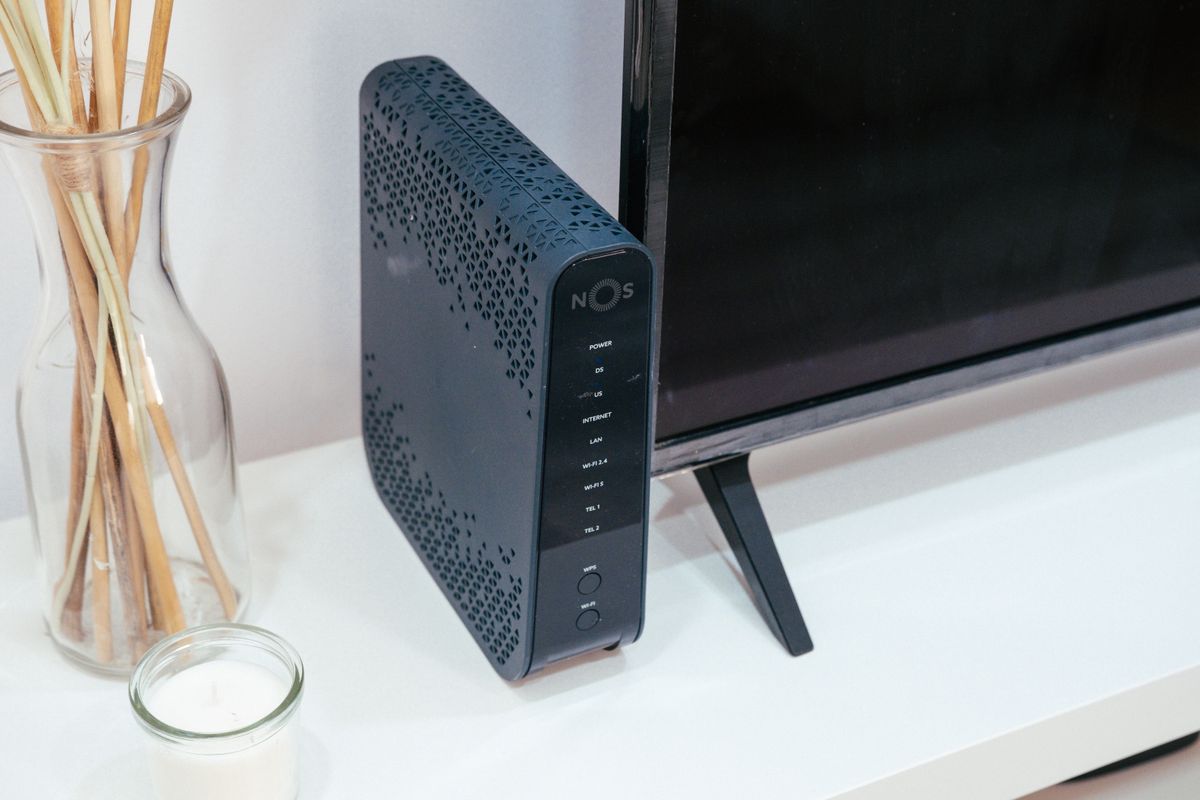
Wi-Fi signals weaken with distance and struggle to pass through walls, floors, and large metal objects. If your router sits in a corner, a closet, or behind furniture, much of its signal is wasted or blocked before it reaches the rooms where you need it. Understanding that placement and interference, not just router power, shape your coverage is the key to extending range for free or cheap.
Step-by-Step: Extending Your Wi-Fi Range
- Reposition your router centrally. Move the router to a central, open location, ideally elevated on a shelf and away from walls. A central position lets the signal radiate evenly in all directions instead of wasting half of it against an outside wall.
- Clear obstructions. Keep the router away from thick walls, large appliances, metal objects, and aquariums, all of which absorb or block the signal. Even moving it out of a cabinet can noticeably improve coverage.
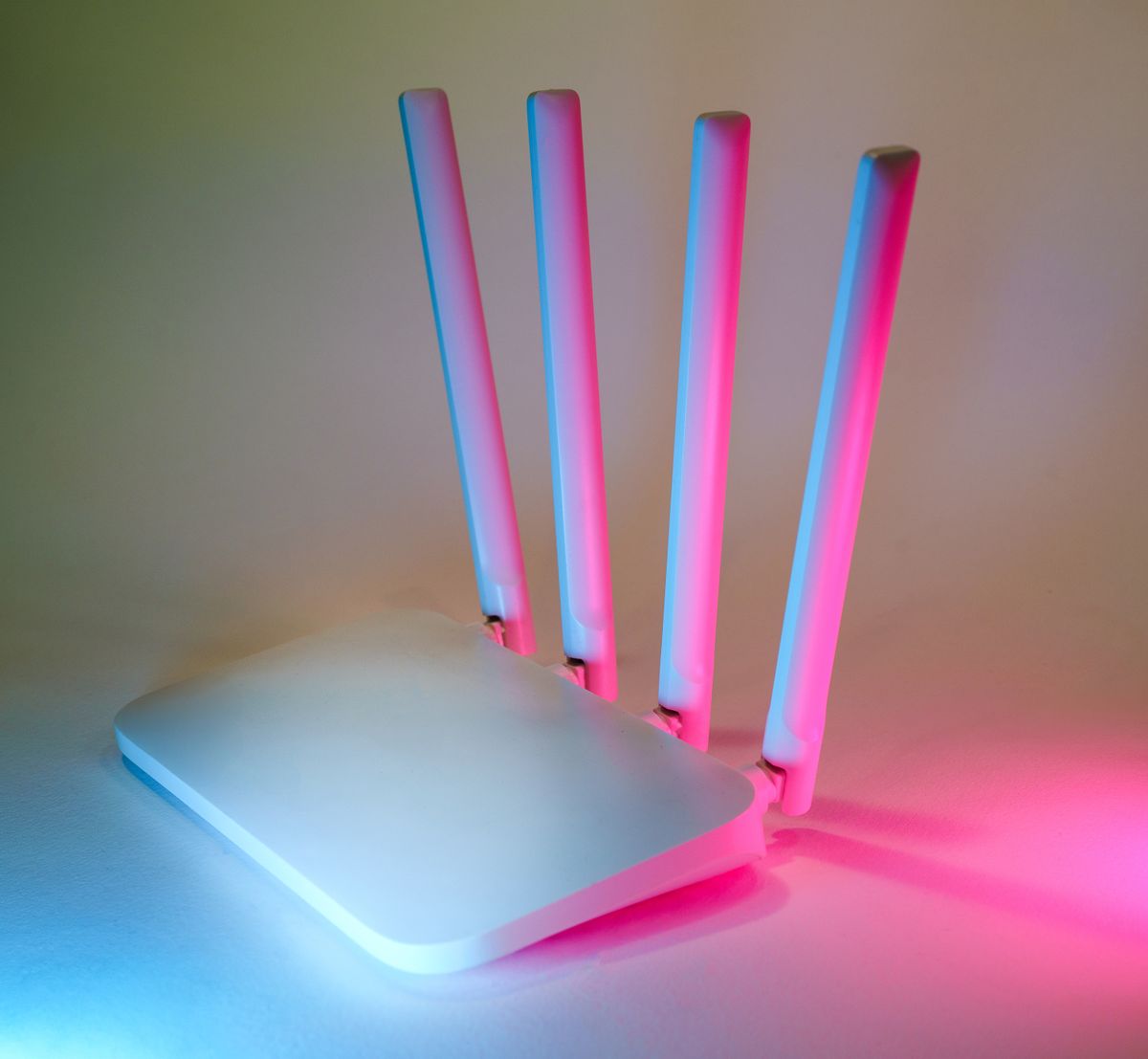
- Adjust the antennas. If your router has external antennas, position some vertically and some horizontally to spread coverage across floors and rooms.
- Change the Wi-Fi channel. Interference from neighboring networks can shrink your effective range. Switching to a less congested channel in your router’s settings often improves signal quality.
- Update the firmware. Manufacturers release updates that can improve performance and range. Log into your router and install any available firmware update.
- Add a range extender or old router. If placement alone is not enough, a Wi-Fi extender or a spare router configured as an access point can rebroadcast the signal into a dead zone at low cost.
Using a Range Extender the Right Way
A range extender is the most common low-cost fix, but placement determines whether it helps. Position the extender halfway between your router and the dead zone, in a spot where it still receives a strong signal from the router; place it too far away and it will only rebroadcast a weak signal. Many extenders have an indicator that shows signal strength during setup, so use it to find the sweet spot. Keep in mind that basic extenders can halve throughput and may create a separate network name. If you want seamless coverage instead, the best mesh extenders blend into a single network, while the best internet extenders cover a range of budgets and home sizes.
Free Tweaks That Improve Range
- Reduce interference: Keep the router away from microwaves, cordless phones, and Bluetooth devices that share its frequencies.
- Use the right band: The 2.4 GHz band reaches farther through walls than 5 GHz, so favor it for distant rooms even though it is a bit slower.
- Limit bandwidth hogs: Large downloads and multiple 4K streams can make the whole network feel weak. Schedule heavy tasks for off-peak times.
- Secure your network: Freeloading neighbors sap your bandwidth. A strong password keeps your range and speed for your own devices.
When These Fixes Are Not Enough
If you have optimized placement, changed channels, updated firmware, and added an extender but still have stubborn dead zones, your home may simply be too large or complex for a single router to cover. That is the point where a mesh system, which uses multiple coordinated nodes, becomes the better long-term answer. But because that is a bigger investment, it is worth exhausting the free and low-cost steps above first, since many homes gain all the range they need from better placement and a well-positioned extender.
Frequently Asked Questions
Where should I place my router for the best range?
In a central, open, elevated spot away from walls, appliances, and metal objects. A central position lets the signal spread evenly, while a corner or closet wastes much of it.
Do Wi-Fi extenders slow down your internet?
Basic extenders can reduce throughput because they rebroadcast the signal, and some create a separate network. Placing the extender where it still gets a strong signal from the router minimizes the slowdown.
Is 2.4 GHz or 5 GHz better for range?
The 2.4 GHz band reaches farther and passes through walls better, so it is better for distant rooms. The 5 GHz band is faster but has shorter range, making it ideal for nearby devices.
Diagnosing Your Dead Zones First
Before applying any fix, it pays to understand exactly where and why your coverage falls short, because the right solution depends on the cause. Walk through your home with your phone and note where the signal weakens, drops, or slows, paying attention to what lies between those rooms and the router. Thick brick or concrete walls, metal appliances, and multiple floors are common signal killers, and a room blocked by several of them needs a different approach than one that is simply far away. Also note whether the weak spot is constant or comes and goes, since intermittent problems often point to interference from neighbors or appliances rather than pure distance. By mapping your dead zones and their likely causes first, you avoid wasting time on fixes that cannot address your specific problem, and you can target placement changes or an extender exactly where they will help most.
Measuring Your Improvement
As you work through the steps, measure the effect of each change so you know what is actually helping rather than guessing. Run a quick speed test in a problem room before you start, then repeat it after each adjustment, whether you move the router, change a channel, or add an extender. Note both the speed and how the connection feels during real use, such as streaming or a video call, since raw numbers do not always capture stability. Keeping a simple before-and-after record helps you confirm which tweaks made the biggest difference and whether you have reached good-enough coverage or still need another step. This measured approach turns extending your range from trial and error into a clear, satisfying process where you can see your Wi-Fi genuinely improving.
Final Thoughts
You can extend your Wi-Fi range without buying a new router by starting with the basics: reposition the router centrally, clear obstructions, adjust the antennas, change to a clear channel, and update the firmware. If dead zones remain, a well-placed extender or a spare router set as an access point fills the gaps cheaply. Only when these steps fall short does a full upgrade make sense. Work through them in order, and you will likely reach those far rooms with the equipment you already own.