Owen Bradley
 A mesh Wi-Fi system can transform a home plagued by dead zones into one with strong, seamless coverage in every room, but only if you set it up correctly. Poor node placement or a rushed installation can leave you with the same weak spots you were trying to fix. This step-by-step guide walks you through setting up a mesh Wi-Fi system the right way, from unboxing to optimizing node placement, so you get reliable whole-home coverage.
What You Need Before You Start
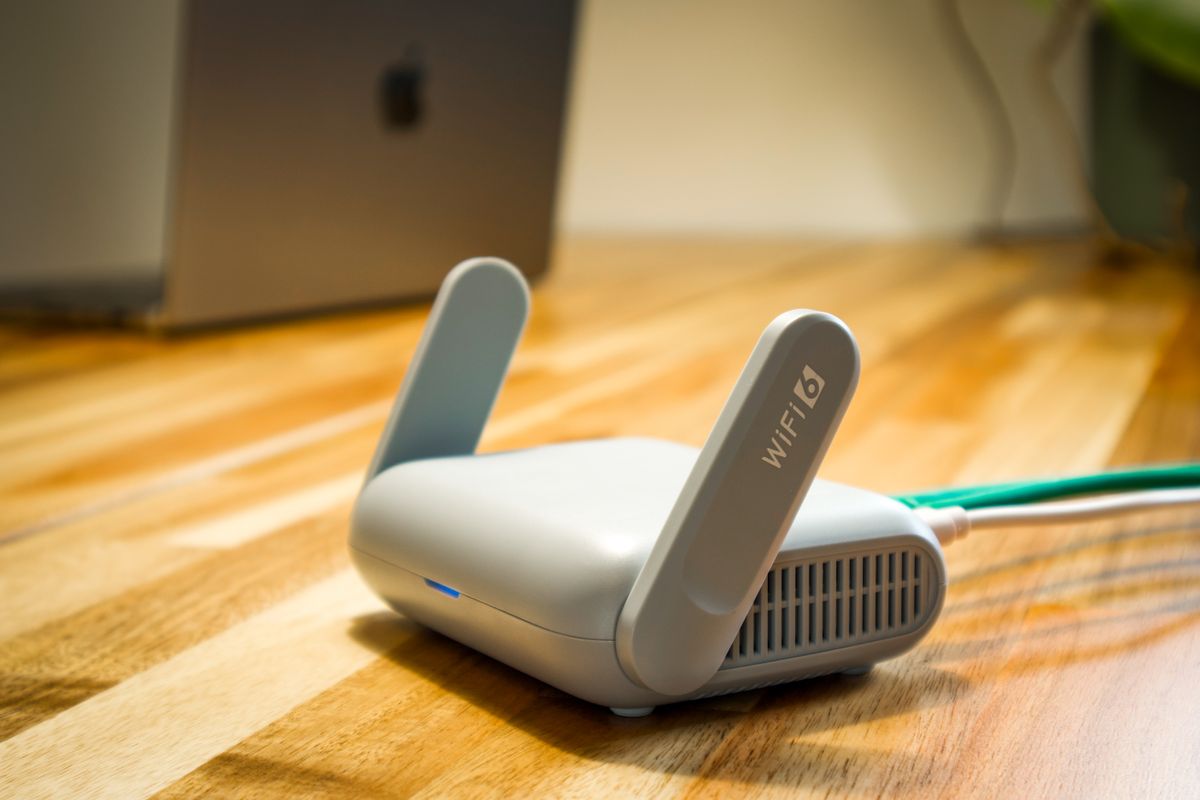
Setting up a mesh system requires your mesh nodes, your existing modem, an Ethernet cable, and a smartphone for the companion app most systems use. It helps to know your Wi-Fi network name and password if you want to keep them, and to have identified the rooms where your current signal is weakest, since that guides node placement. Charge your phone and set aside about half an hour for a smooth setup.
Step-by-Step: Setting Up Your Mesh System
- Place the main node near your modem. Position the primary node close to your modem, since it will connect directly to it. Choose a central, open spot rather than a tucked-away corner.
- Connect the main node to the modem. Use the included Ethernet cable to connect the main node to your modem, then power both on. Wait for the modem to fully boot before continuing.
- Download the companion app. Install the system’s app on your phone and create or sign in to an account. The app guides the rest of the setup.
- Follow the app to configure the main node. The app detects the main node, has you name your network, and set a password. This creates your single, unified Wi-Fi network.
- Add the satellite nodes one at a time. Place each additional node about halfway between the main node and a dead zone, within strong signal range of the previous node. Power it on and let the app add it to the network.
- Check each node’s connection. The app reports signal strength between nodes. If a node shows a weak link, move it closer to the previous one until the connection reads strong.
- Test your coverage. Walk through your home, especially the old dead zones, and confirm the signal stays strong. Reposition nodes as needed.

Getting Node Placement Right
Placement is the single biggest factor in mesh performance. Each node should sit within strong range of the next, not so far that the signal weakens before it arrives. Place nodes out in the open on a shelf or table rather than inside cabinets or behind large metal objects, which block the signal. Avoid putting nodes next to appliances, thick walls, or sources of interference. For multi-floor homes, position nodes so coverage flows vertically as well as horizontally. If you can, use a wired backhaul by connecting nodes with Ethernet, which delivers the fastest, most stable performance. Thoughtful placement is what turns a mesh kit into seamless coverage.
Optimizing After Setup
Once your system is running, a few tweaks improve it further. Update the firmware through the app for the latest security and performance. Enable a guest network to keep visitors off your main network. Turn on any band-steering or optimization features the system offers so devices automatically use the best connection. If you still have a weak spot, add another node rather than stretching the existing ones too far. For choosing the right system in the first place, the best mesh systems cover options for different home sizes, and the best home mesh systems focus on setups built for typical households.
Common Mesh Setup Mistakes
- Placing nodes too far apart: If nodes cannot reach each other strongly, coverage breaks down. Keep them within solid range.
- Hiding nodes: Tucking nodes in cabinets or behind furniture blocks the signal. Keep them out in the open.
- Skipping firmware updates: Outdated firmware can cause instability and security gaps. Update during setup.
- Using too few nodes: A large home may need more nodes than the starter kit includes. Add nodes to cover every area.
Frequently Asked Questions
How far apart should mesh nodes be?
Close enough that each node maintains a strong connection to the next, typically within a room or two. The app’s signal indicator tells you if a node is too far; if the link is weak, move it closer.
Should I use a wired or wireless backhaul?
A wired backhaul, connecting nodes with Ethernet, gives the fastest and most stable performance. If wiring is not practical, a wireless backhaul works well as long as nodes are placed within strong range.
Can I mix mesh nodes with my old router?
It is best to let the mesh system handle Wi-Fi and put your old router in bridge or modem mode if needed, so the two are not competing. Running both as routers can cause conflicts.
Testing and Verifying Your Coverage
Once every node is placed and connected, take a few minutes to verify that your new system actually solved the problem rather than assuming it did. Walk slowly through your home with your phone, pausing in the rooms that used to have weak or no signal, and watch the Wi-Fi indicator or run a quick speed test in each spot. Pay special attention to the far corners, upper floors, and rooms separated by thick walls, since those are the classic trouble areas. If any location still shows a weak signal or slow speeds, the fix is usually to reposition the nearest node closer to that area or to add another node to bridge the gap. It also helps to test while devices are actively streaming or on a video call, since real-world load reveals weaknesses that an idle network hides. This verification step is what separates a mesh setup that merely looks finished from one that genuinely delivers strong coverage everywhere you need it.
Keeping Your Mesh Network Healthy
A mesh system rewards a little ongoing care. Keep the firmware updated through the app, since manufacturers regularly release improvements to speed, stability, and security. Periodically check the app’s health screen to confirm every node still reports a strong connection, because furniture changes or a moved node can quietly weaken a link. Restart the system occasionally if you notice sluggishness, and keep the nodes free of dust and clutter that could trap heat. If your household grows or you rearrange rooms, revisit your node placement to match the new layout. With these simple habits, your mesh network stays as fast and reliable months from now as it was on the day you set it up.
Final Thoughts
Setting up a mesh Wi-Fi system the right way is mostly about smart placement and following the app’s steps in order. Put the main node by your modem, add satellite nodes between it and your dead zones, keep every node within strong range and out in the open, and use a wired backhaul where you can. Update the firmware, test your coverage, and add nodes if any area lags. Done well, a mesh system delivers the strong, seamless Wi-Fi you set out to achieve.