Owen Bradley
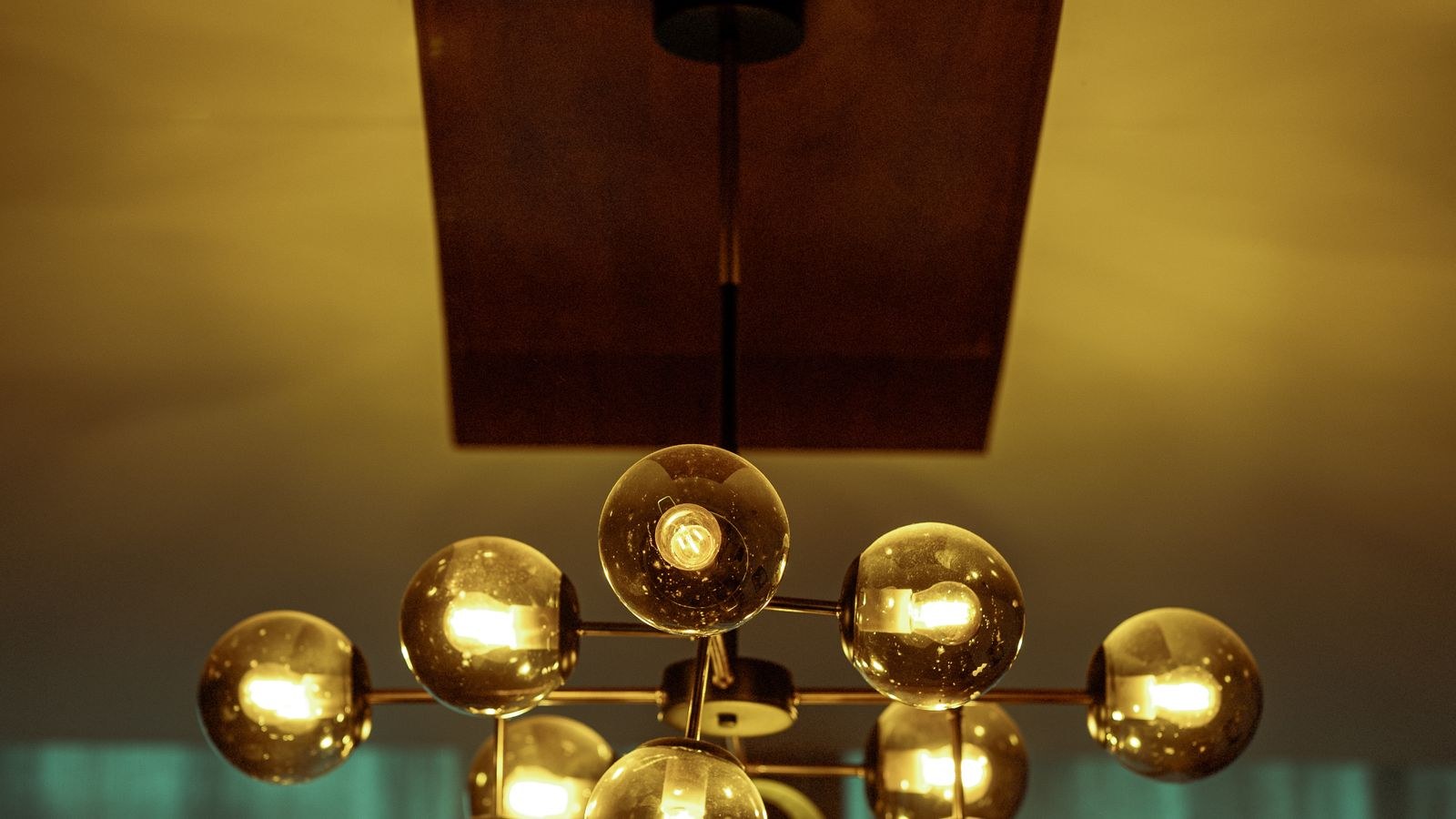
 Nothing exposes a sizing mistake quite like a chandelier. Hang one that is too small and it looks like jewelry borrowed from a smaller house, floating in the middle of the ceiling with nothing to anchor it. Hang one that is too large and the room feels compressed, with guests ducking around a fixture that dominates every photograph. Fortunately, chandelier sizing follows a short set of formulas that designers have relied on for decades, and all of them come down to simple arithmetic you can do with a tape measure and a notepad. This chandelier size guide walks through diameter, fixture height, hanging height, table and stairwell placement, bulb count, and the adjustments that tall or low ceilings demand, so the fixture you order fits the room it arrives in.
Start With the Room Diagonal Rule
The single most useful formula in lighting is also the easiest. Measure the room’s length and width in feet, add them together, and the resulting number in inches is the ideal chandelier diameter.
- A 10 by 12 foot room gives 22, so target a 22-inch chandelier.
- A 12 by 14 foot room gives 26 inches.
- A 14 by 18 foot room gives 32 inches.
- A 20 by 24 foot great room gives 44 inches.
Treat that figure as the center of a range rather than an exact target. Anything within a few inches either way will look correct. If you are torn between two sizes, go larger, because undersizing is by far the more common and more noticeable mistake. A fixture that is slightly generous reads as confident; one that is slightly small reads as an error.
When the Room Is Not the Right Reference
The diagonal rule applies when the chandelier lights a room as a whole, such as an entryway, living room, or bedroom. When the fixture hangs over a specific piece of furniture, the furniture takes priority and a different rule applies, which is covered next.
Sizing Over a Dining Table
For a chandelier centered over a dining table, size to the table rather than the room. The fixture diameter should be roughly one half to two thirds of the table width, and it should never come closer than 6 inches to the table edge on any side. That clearance keeps the fixture from crowding place settings and centerpieces.
- A 36-inch round table suits an 18 to 24 inch fixture.
- A 42-inch wide rectangular table suits a 21 to 28 inch fixture.
- A 48-inch table suits 24 to 32 inches.
- A 60-inch table suits 30 to 40 inches.
Long rectangular tables often look better with a linear chandelier or two smaller fixtures rather than one round piece. In that case, the combined length of the fixtures should span roughly half to two thirds of the table length, centered on the table with equal margins at each end.
How Tall Should the Chandelier Be?
Diameter gets the attention, but fixture height determines whether a chandelier feels proportional in a tall room. The standard guideline is 2.5 to 3 inches of fixture height per foot of ceiling height.
- An 8-foot ceiling suits a fixture 20 to 24 inches tall.
- A 9-foot ceiling suits 22 to 27 inches.
- A 10-foot ceiling suits 25 to 30 inches.
- A 12-foot ceiling suits 30 to 36 inches.
- A two-story foyer at 18 feet can carry a fixture 45 inches or taller.
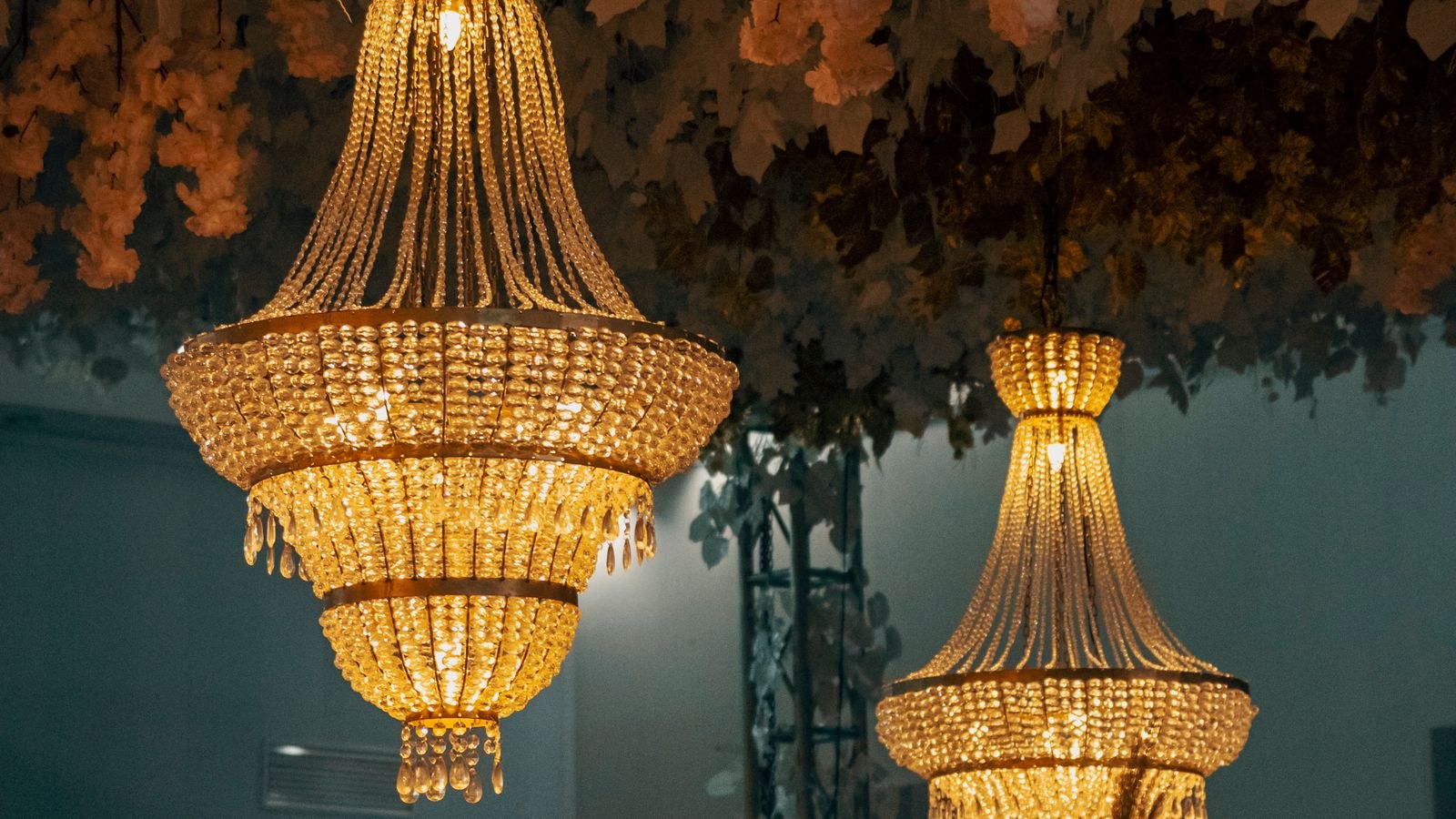
In double-height spaces, tiered or cascading chandeliers earn their keep because they fill vertical volume that a single-tier fixture cannot. A wide but short chandelier in an 18-foot foyer looks like a disc suspended in emptiness.
Hanging Height: The Number People Get Wrong
Over a Dining Table
Hang the bottom of the chandelier 30 to 36 inches above the tabletop for a standard 8-foot ceiling. Thirty inches creates the intimate pooled light that makes dining rooms feel warm; thirty-six inches suits larger fixtures and taller households. Add roughly 3 inches of drop for every additional foot of ceiling height above 8 feet.
Seated sightlines matter here. Sit at the table and check that the fixture bottom is above eye level so you can see the person across from you without leaning. If the chandelier has an open bottom with exposed bulbs, hang slightly higher to keep filaments out of direct view.
In a Room or Entryway
Anywhere people walk beneath the fixture, maintain a minimum of 7 feet from the floor to the bottom of the chandelier. In a two-story foyer, center the fixture in the window when viewed from outside, and keep the bottom roughly level with the second-floor landing. A common failure is a foyer chandelier hung so high it reads as a ceiling detail rather than a focal point.
Over a Stairwell
Measure clearance from the highest tread the fixture hangs over, and keep at least 7 feet from that step to the fixture bottom. Also plan maintenance access before you buy: a fixture you cannot reach for cleaning or bulb changes becomes a permanent chore. Position the chandelier so it can be reached from a landing or with a ladder that stands safely on a flat surface.
Bulb Count and Light Output
Chandelier arms are a style decision, but the total light they produce is a functional one. A useful target is roughly 20 to 30 lumens per square foot for a dining room where the chandelier is the primary source, layered with wall sconces or recessed cans for flexibility.
Traditional chandeliers use candelabra-base bulbs, typically E12, and a five to eight arm fixture with modern LED candelabra bulbs easily produces enough light for a mid-sized dining room. Check the maximum wattage per socket printed on the fixture and stay within it, though LEDs make this a non-issue in practice since they draw a fraction of incandescent power for the same brightness. Our roundup of the best LED candelabra bulbs covers the shapes, base sizes, and dimming behavior that suit multi-arm fixtures.
Bulb appearance matters more in a chandelier than almost any other fixture because the bulbs are usually visible. Flame-tip, torpedo, and globe shapes each change the character of the piece. Compare options in our guide to the best chandelier bulbs, and if you want a deeper look at brightness and finish combinations, see the best light bulbs for chandeliers for matching multiple sockets consistently.
Color Temperature and Dimming
Stay between 2700K and 3000K for dining and living spaces. Warm light flatters food, wood, and skin, and it is what people expect from a decorative fixture. Anything above 3500K makes a chandelier look like an office fitting.
A dimmer is essentially mandatory. A chandelier at full output during dinner is glaring; the same fixture at 30 percent is the reason people install chandeliers in the first place. Confirm the bulbs are dimmable and match your dimmer type, since mismatched LED and dimmer combinations cause flicker and buzzing. For broader guidance on matching output to room size, our overview of the best light bulbs for dining room use covers the lumen ranges that work at each table size.
Weight, Mounting, and Ceiling Support
Chandeliers are heavy, and a standard ceiling electrical box is rated for only about 50 pounds. Anything heavier requires a fan-rated or fixture-rated brace box anchored to joists. Check the fixture weight in the specifications before you order, not after it arrives.
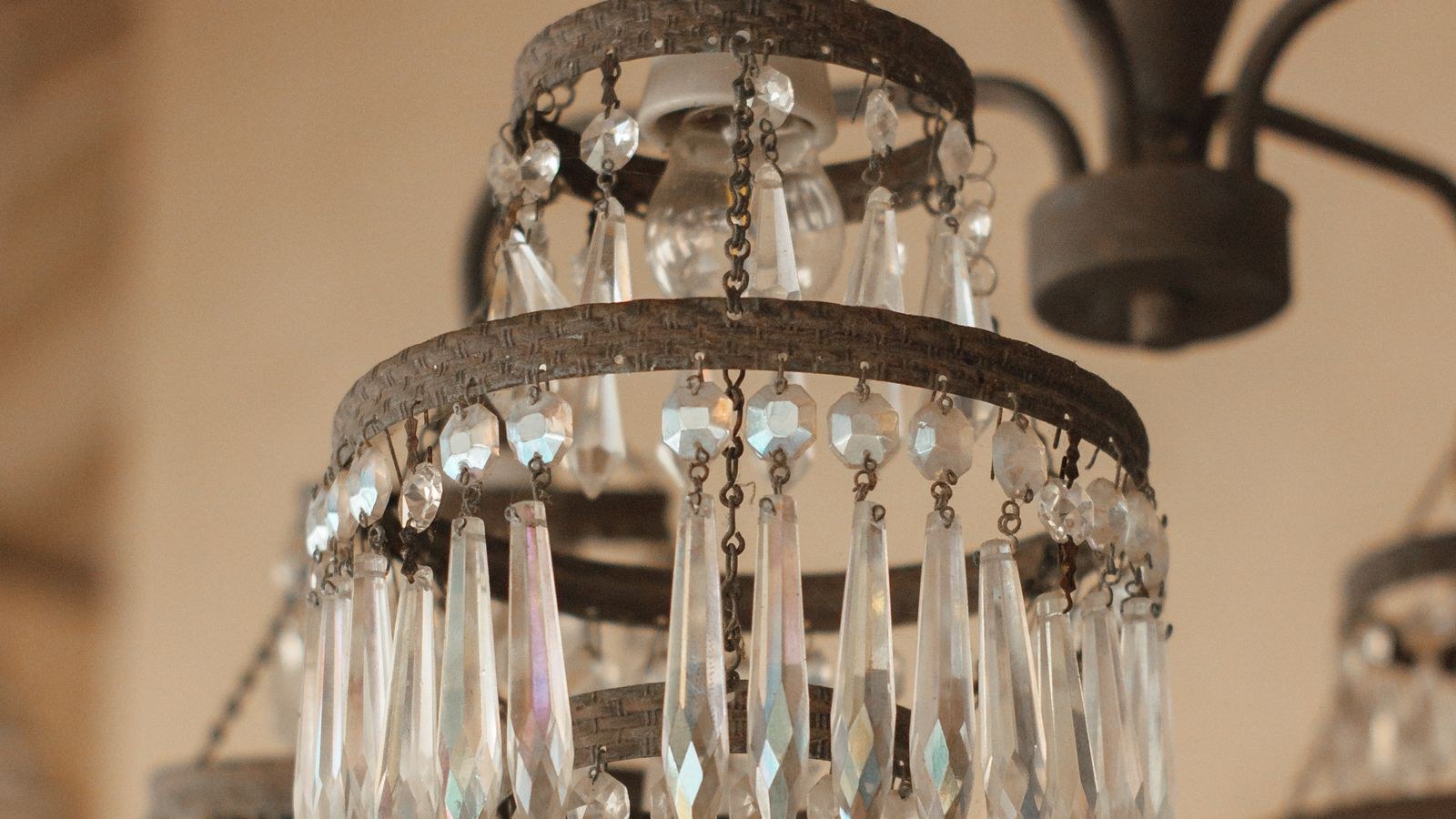
Crystal chandeliers in particular can exceed 100 pounds once fully assembled with all the drops installed. For those, plan on blocking between joists and, for very heavy fixtures, a threaded rod hanger system. If you are hanging a fixture in a stairwell or foyer where a fall would be catastrophic, this is not the place to improvise.
Also verify the maximum drop length. Chain-hung chandeliers can usually be shortened easily by removing links but only extended with a matching chain and wire kit. Rod-mounted fixtures come with a fixed number of stems, so confirm the kit reaches your ceiling height. Sloped ceilings need a swivel or sloped-ceiling canopy adapter rated for your pitch.
Room-by-Room Quick Reference
- Dining room: size to the table at half to two thirds width; hang 30 to 36 inches above the tabletop.
- Entry foyer, single story: use the room diagonal rule; keep 7 feet of floor clearance.
- Two-story foyer: tall tiered fixture, bottom near the second-floor landing, centered in the window from outside.
- Living room: room diagonal rule, hung 7 feet or higher, layered with lamps and sconces.
- Primary bedroom: room diagonal minus a few inches for a softer presence; center on the bed or the room, not both.
- Bathroom: check damp-location rating and keep the fixture at least 8 feet above the tub rim per common code requirements.
- Kitchen island: a linear chandelier spanning half to two thirds of the island length, 30 to 36 inches above the counter.
Common Sizing Mistakes
Buying too small tops the list, and it happens because fixtures look enormous in a warehouse or in a product photo with no reference objects. Run the diagonal formula, then trust it over your instinct.
Hanging too high is the second. People fear the fixture will be in the way and raise it a foot, which disconnects it from the table and kills the pooled light effect. Use a broom handle or cardboard mockup taped to the ceiling to test the height before drilling.
Third is centering the fixture on the room rather than the table. If your table is not centered in the dining room, and most are not exactly, align the chandelier to the table. That is the relationship your eye reads.
Fourth is ignoring fixture height in tall rooms. A wide but flat chandelier under a 14-foot ceiling looks stranded. Match vertical presence to vertical volume.
Frequently Asked Questions
What size chandelier fits a 12 by 12 foot room?
Add 12 plus 12 to get 24, so a chandelier around 24 inches in diameter suits the room. Anything from about 22 to 27 inches will look proportional.
How high should a chandelier hang over a dining table?
Thirty to thirty-six inches from the tabletop to the fixture bottom on an 8-foot ceiling, adding roughly 3 inches of drop for each additional foot of ceiling height.
Can a chandelier be too large for a table?
Yes. Keep at least 6 inches between the fixture edge and the table edge on every side. Beyond that, the chandelier crowds place settings and gets bumped when people reach across.
Do I need an electrician to install one?
For a lightweight fixture replacing an existing one on a rated box, a careful DIYer can manage it. Heavy fixtures, new box installations, stairwell mounts, and anything requiring joist blocking are jobs for an electrician.
How many bulbs should a chandelier have?
Style drives arm count more than function does, since LED output per bulb is high. Focus on total lumens for the room size and choose the arm configuration that suits the fixture’s proportions and your ceiling height.
Final Thoughts
Chandelier sizing is a series of small decisions that compound into a room that either works or does not. Use the room diagonal for general spaces and the table width rule for dining rooms. Match fixture height to ceiling height at 2.5 to 3 inches per foot. Hang 30 to 36 inches above a table or at least 7 feet above a floor, adding 3 inches of drop per extra foot of ceiling. Confirm the electrical box supports the weight, verify the chain or rod reaches, and always install a dimmer with warm, high-CRI bulbs. Measure twice, size up when in doubt, and the fixture you choose will look deliberate and well proportioned for as long as you live with it, well past 2026.