 Owen Bradley
Two light fixtures can look identical on a shelf, cost within a few dollars of each other, and be rated for completely different environments. One will survive a decade on an exposed patio; the other will corrode within a season and possibly trip a breaker. The only clue is a small line on the box reading dry, damp or wet location. Understanding wet vs damp rated fixtures is the single most useful piece of lighting knowledge for anyone shopping for a bathroom, porch, deck, laundry or covered walkway, and it takes about five minutes to learn. This guide explains what the three ratings mean, how to work out which one your location needs, how IP numbers relate to them, and what actually goes wrong when you get it backwards.
The Three Location Ratings Explained
North American fixtures are listed by a safety laboratory for one of three environments, and the rating describes the conditions the fixture is certified to survive, not how it looks.
Dry location fixtures are for interior spaces that are normally dry: bedrooms, hallways, living rooms, offices. They may have open tops, uncoated steel parts, exposed sockets and paper-lined shades. Nothing about them resists moisture, and a dry-rated fixture in a steamy bathroom will rust from the inside.
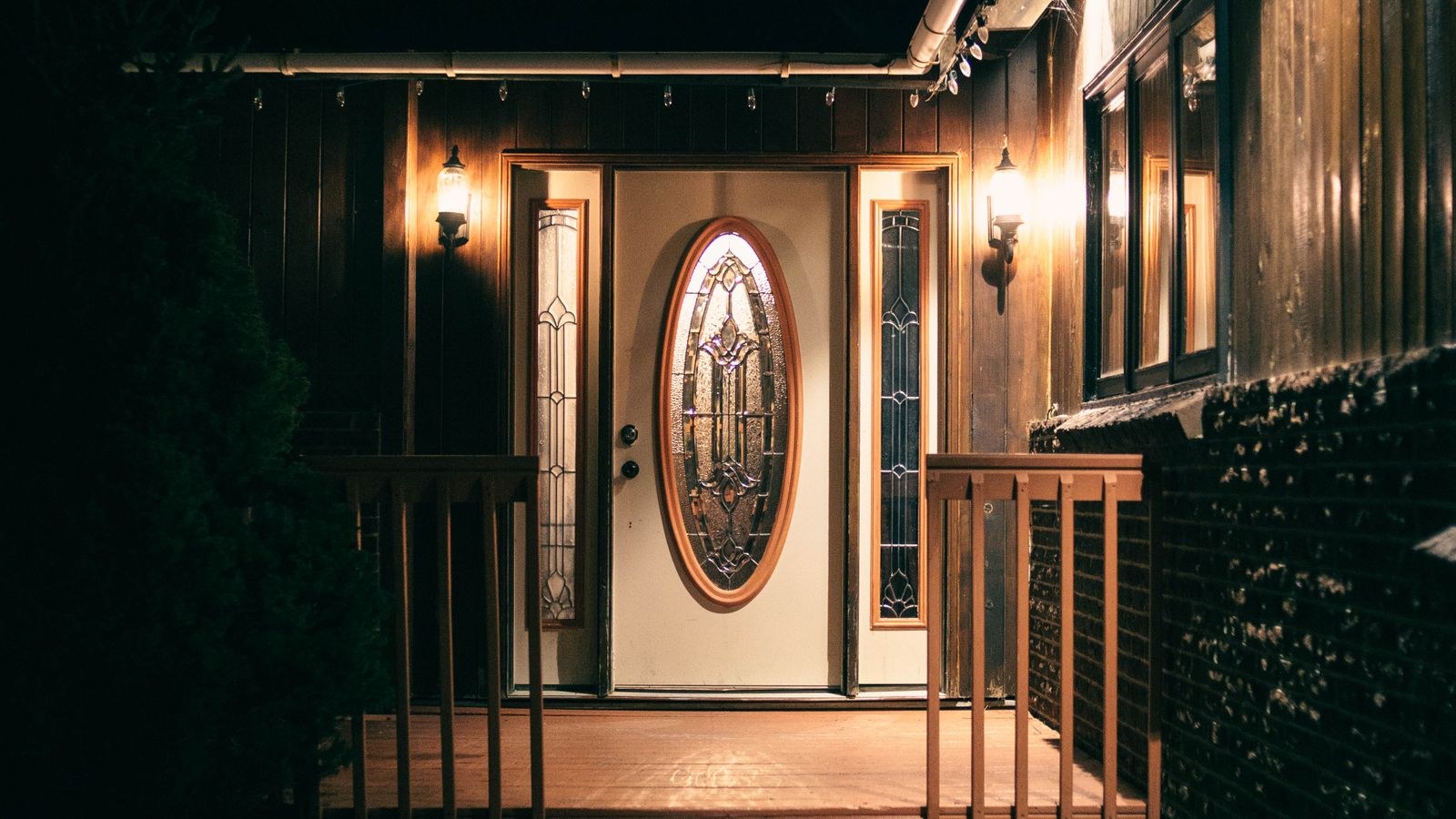
Damp location fixtures tolerate moisture, humidity and condensation, but not direct contact with water. They use sealed or gasketed sockets, corrosion-resistant finishes and enclosures that keep condensation off live parts. This is the rating for covered porches, bathroom ceilings outside the shower, laundry rooms, basements, garages, sunrooms and covered walkways.
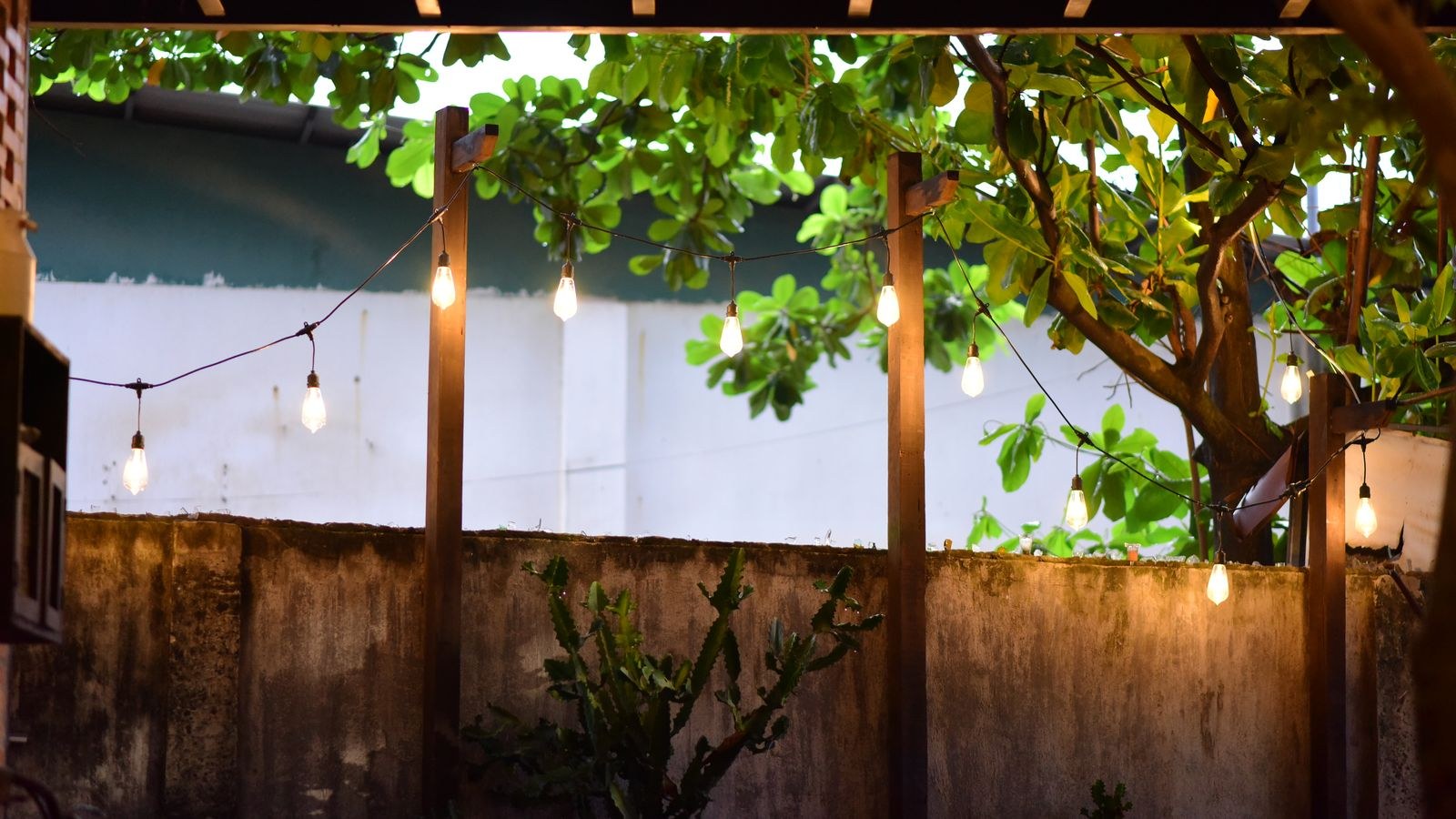
Wet location fixtures are certified for direct exposure to rain, snow, spray and hose-down cleaning. They have fully sealed housings, drainage provisions so water that gets in can leave, gasketed lenses and hardware that resists corrosion. This is what belongs on an open deck, an uncovered entry, an eave with wind-driven rain, inside a shower enclosure, or anywhere a sprinkler can reach.
The Rule That Resolves Most Cases
Ask one question: can water land on this fixture, from any direction, including blown sideways or dripping off a surface above it? If yes, it needs a wet rating. If the fixture will only ever encounter humid air and condensation, damp is sufficient. When you genuinely cannot decide, buy wet rated. A wet-rated fixture is always acceptable in a damp location; the reverse is not true.
Where Each Rating Belongs
The confusing cases almost all involve partial cover, so it helps to walk through them.
A deep, fully enclosed porch with a solid roof and side walls, where the fixture sits well back from the edge, is a damp location. A shallow porch or a fixture near the roof edge is effectively a wet location, because rain blown at an angle reaches it several times a year. Most building inspectors treat overhangs of less than about two feet as offering no meaningful protection.
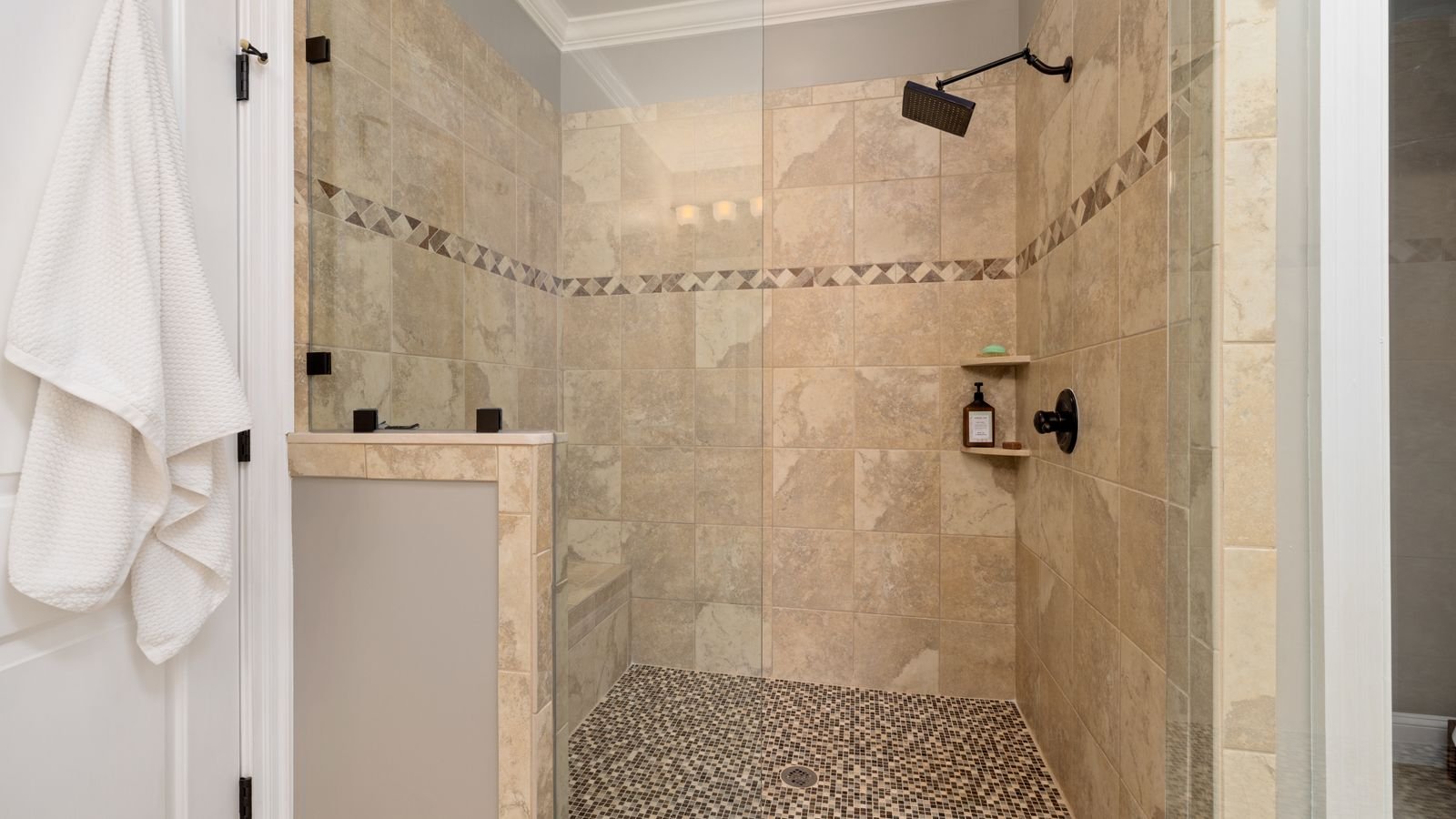
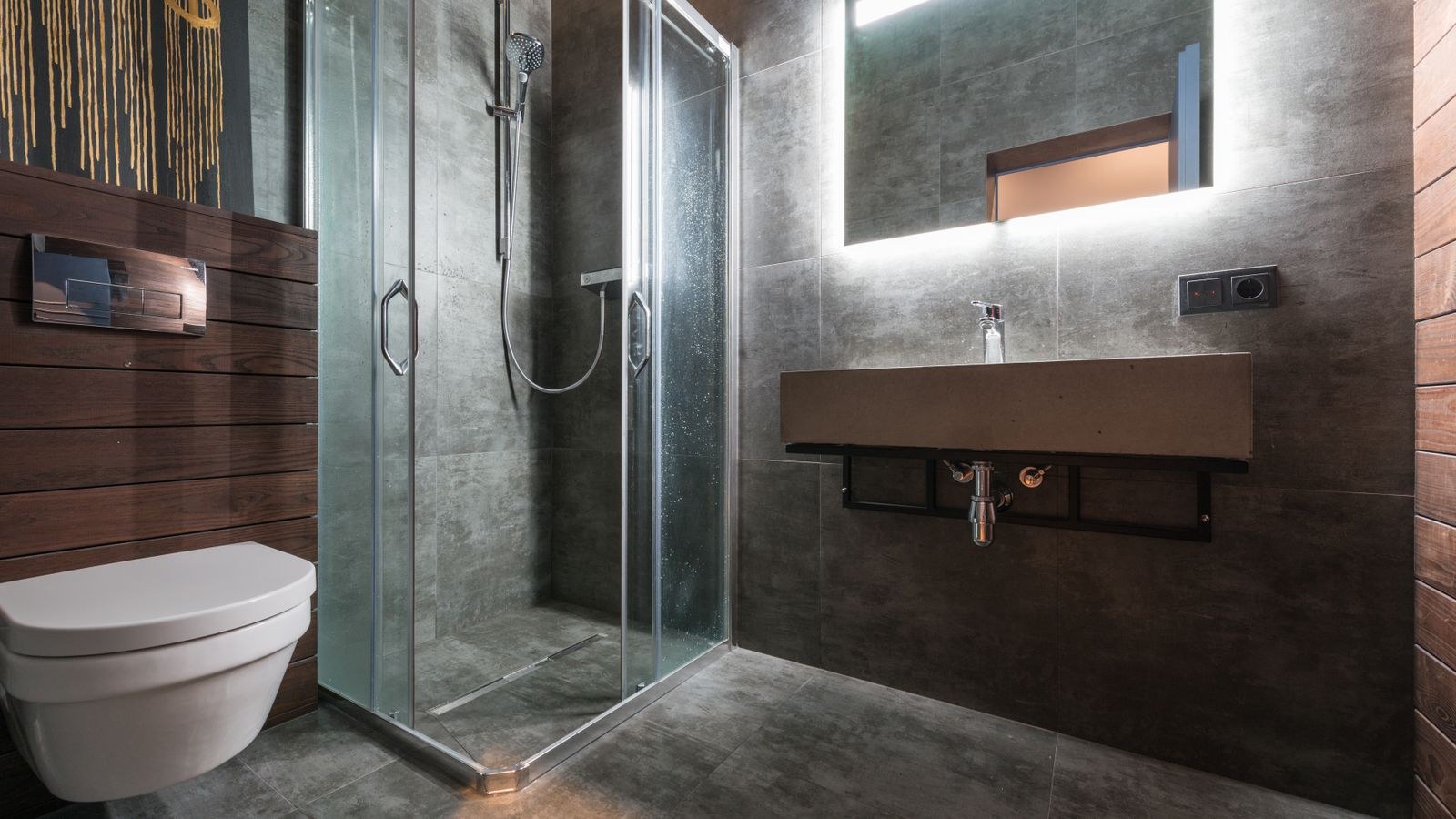
A bathroom ceiling fixture away from the tub is damp rated. A fixture directly above a shower or tub must be wet rated, and this is where most bathroom code violations occur. Steam is only part of the problem; water sprays upward off a shower head and off the person using it.
A garage ceiling is damp in most cases, but a fixture over a wash bay or near an open door on a wind-facing wall should be wet. A covered patio with open sides is wet in practice unless the fixture sits deep under the roof. Eave and soffit fixtures are damp when tucked under a wide overhang and wet at the perimeter. Anything within a few feet of a pool, spa or irrigation head is wet, without argument.
IP Ratings and How They Map Across
Many products, especially LED strips and imported fixtures, quote an IP number instead of a location rating. The IP code has two digits: the first is protection against solids, the second against water.
- IP20 — no water protection at all. Dry location only.
- IP44 — protected from splashing water from any direction. Broadly aligns with damp location use.
- IP54 — dust protected plus splash resistance. Still a damp-location product in practice.
- IP65 — protected against low-pressure water jets. The practical minimum for genuinely wet outdoor exposure.
- IP66 — resists powerful jets, suitable for hose-down cleaning and heavy driving rain.
- IP67 — withstands temporary immersion. Needed for ground-level fixtures, in-grade lights and anything that can sit in a puddle.
- IP68 — continuous immersion, for pool and pond fixtures.
The important caveat is that an IP number alone is not a safety listing. A fixture wired into your home’s permanent circuits should carry a recognised laboratory listing for its location, and the IP figure should be treated as supplementary detail rather than a substitute. This matters most for flexible tape lighting, where the same product family sells in several IP grades that look identical in photos; the differences are laid out in our comparison of the best waterproof LED strip lights.
Bulbs Need Ratings Too
A wet-rated fixture with the wrong bulb is still a problem. Enclosed outdoor fixtures trap heat, and LED bulbs are far more sensitive to heat than incandescent ones because the electronic driver inside them degrades at elevated temperatures. A bulb not marked enclosed fixture rated may lose half its life expectancy in a sealed lantern.
Cold matters equally. Standard LED bulbs are typically rated down to about -4°F, but some cheap ones flicker or refuse to start below freezing. For any fixture that lives outdoors year-round, check the stated operating temperature range, and prefer bulbs designed for the job like those covered in the best LED light bulbs for outdoor fixtures.
For an entry lantern specifically, you also want the right beam and colour temperature rather than raw output. A warm 2700K to 3000K bulb at 800 to 1100 lumens flatters a doorway, while a cool 5000K bulb makes a house look like a loading dock. The trade-offs are covered in the best light bulbs for porch comparison.
Bathroom and Shower Bulbs
Inside a shower, the fixture is usually a sealed lens trim, and the bulb sits behind glass in a warm, humid pocket. Use an enclosed-rated LED with a high colour rendering index, ideally 90 or above, because skin tones and tile colours look badly off under low-CRI light in a small room. Vapour-proof trims paired with the right lamp are the basis of the recommendations in the best shower lighting guide.
What Goes Wrong With the Wrong Rating
The failure sequence is predictable. Moisture reaches the socket and the contacts corrode, which raises resistance and generates heat. The fixture flickers intermittently, usually worse after rain. Rust stains appear on the housing and drip down the wall. Eventually the GFCI or breaker trips, or in the worst case an arc develops at the corroded contact.
There are also quieter failures. Water condenses inside a sealed lens and never leaves, leaving a permanent fogged appearance. Painted steel blisters and peels within one or two winters. LED drivers, which are the true weak point of integrated fixtures, fail early in high humidity even when nothing visibly leaks.
Insurance and inspection consequences are real as well. A dry-rated fixture in a shower is a straightforward code violation that will be flagged during any home inspection, and remedying it after tiling is far more expensive than buying correctly in the first place.
How to Verify a Fixture’s Rating Before Buying
- Look for the listing mark and the wording Suitable for Wet Locations or Suitable for Damp Locations on the label, box or spec sheet. Marketing copy that only says “outdoor” or “weatherproof” is not a rating.
- Download the manufacturer’s specification PDF. Genuine ratings are always stated there; vague products usually have no PDF at all.
- Check whether the rating applies to the whole fixture or only in a specific mounting orientation. Some sconces are wet rated only when mounted with the opening facing down.
- Confirm the gasket material and whether replacement gaskets are available, because gaskets are the first component to perish.
- Look for drainage. A genuine wet-location fixture has weep holes or a design that sheds water, not a sealed cup that fills up.
Materials That Survive Outdoors
Rating aside, the housing material determines how a fixture ages. Solid brass and copper are the premium choices; they never rust and develop a patina many people prefer to the original finish. Marine-grade 316 stainless steel is the right answer within a few miles of salt water, where 304 stainless and aluminium both pit. Powder-coated aluminium is the mainstream option and performs well until the coating is chipped, after which corrosion spreads underneath. Painted steel and thin plastic belong indoors or in sheltered damp locations only.
Pay attention to fasteners as well. A brass fixture hung with plated steel screws will streak rust down a wall regardless of its rating.
Common Mistakes to Avoid
- Assuming a covered porch is automatically a damp location when the overhang is shallow.
- Installing a damp-rated fixture directly over a shower because the box said it was for bathrooms.
- Trusting the words weatherproof or waterproof in a product title with no listing to back them up.
- Using a non-enclosed-rated LED bulb inside a sealed outdoor lantern.
- Sealing every gap on an outdoor fixture with silicone, which traps water that would otherwise drain.
- Ignoring the salt-air environment when choosing metal near the coast.
- Reusing an old fixture in a new location without rechecking its rating.
Frequently Asked Questions
Can I use a wet rated fixture indoors?
Yes. Wet rated is the highest tier and is acceptable anywhere, including dry rooms. The only downsides are cost and the fact that sealed, gasketed designs tend to look more utilitarian than decorative interior fixtures.
Is a damp rated fixture OK on a covered patio?
Only if it is deep under the cover, well away from open sides, and the roof is solid. If rain ever reaches the wall the fixture is mounted on, buy wet rated instead.
Do ceiling fans follow the same ratings?
They do. Damp-rated fans suit covered porches and sunrooms, wet-rated fans suit exposed pergolas and gazebos, and a dry-rated indoor fan will develop drooping, warped blades within a couple of humid seasons outdoors.
What rating does a bathroom vanity light need?
A standard vanity light on a wall away from the shower can be dry rated in many jurisdictions, but damp rated is a much better choice in any bathroom without excellent ventilation. Above or inside the shower, wet rated is mandatory.
Does IP65 mean the same as wet rated?
They describe similar levels of protection but come from different standards. IP65 is an ingress test result; wet location is a safety listing that also considers electrical construction and long-term exposure. For hardwired fixtures, prioritise the location listing.
Final Thoughts
Getting this right costs nothing extra at the point of purchase and saves an unpleasant amount of work later. Walk each location and ask whether water can physically land on the fixture from any angle, including sideways and from above. Choose wet rated whenever the answer is yes or maybe, damp rated only where the exposure is limited to humid air, and reserve dry-rated decorative fixtures for genuinely dry rooms. Then match the bulb to the enclosure and the metal to the climate. A correctly specified fixture is one of the few purchases in a house that you can install once and reasonably expect never to think about again.