 Owen Bradley
A wet-dry vac is one of those tools that sits quietly in the corner of a garage until the day a pipe leaks, a bag of potting soil splits, or a workshop project buries the floor in sawdust. Then it becomes the most valuable machine you own. The trouble is that shopping for one means wading through peak horsepower claims that do not translate to real suction and tank capacities that say little about usable volume. This wet dry vac buying guide walks through the specifications that genuinely change how the machine performs and helps you match tank size, motor power, and filtration to the messes you actually face.
What a Wet-Dry Vac Does That a Household Vacuum Cannot
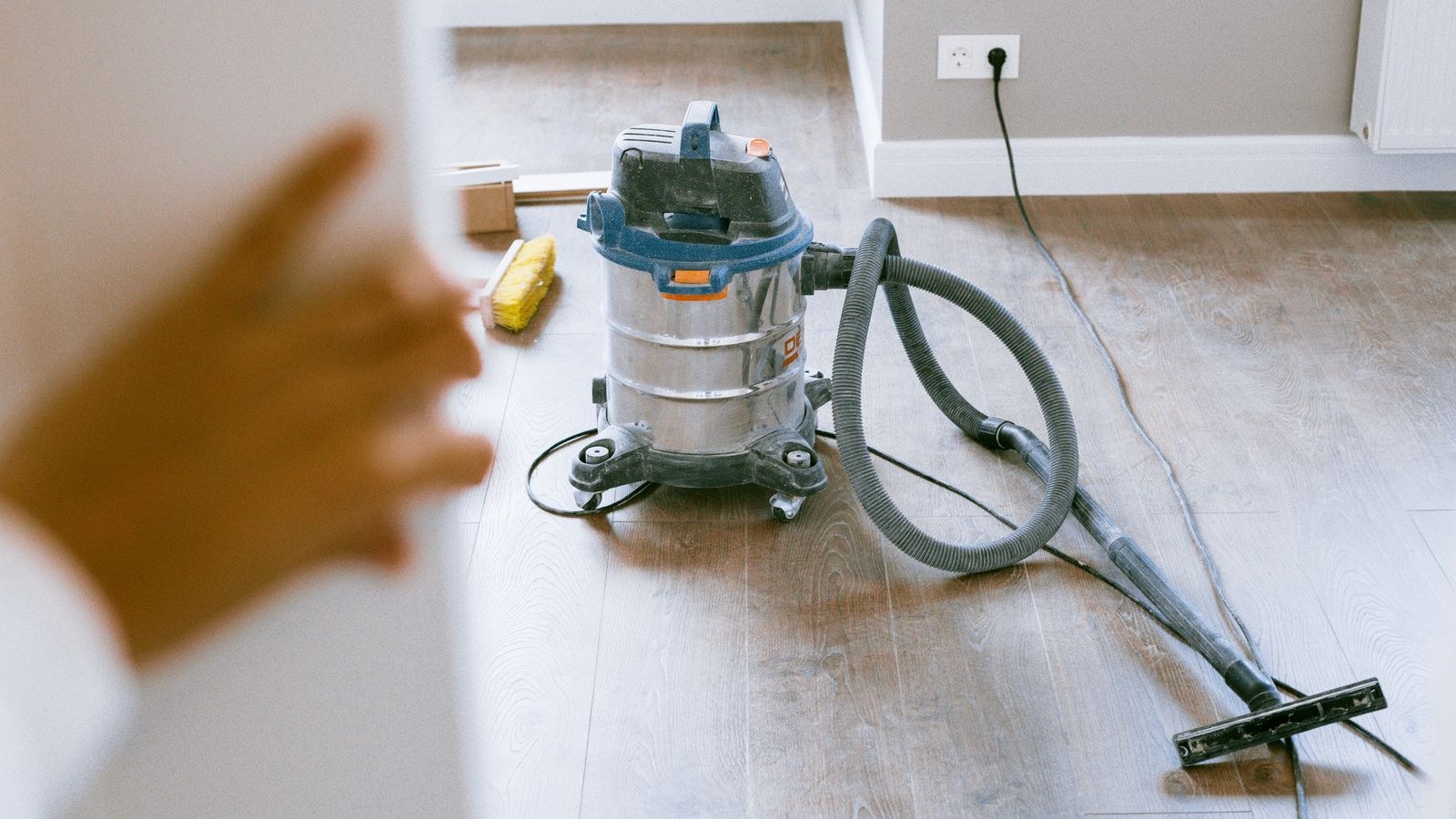
A conventional household vacuum is engineered around fine dry dust and carpet fibers. Its motor sits close to the airflow path, its bag or bin is designed to trap powder, and liquid entering the system will destroy it. A wet-dry vac inverts those priorities. It uses a large, sealed drum, a bypass motor that keeps the electrical components isolated from the airstream, and a wide hose that swallows debris a household machine would choke on: screws, wood chips, broken glass, gravel, wet leaves, and standing water.
That rugged design comes with trade-offs. Wet-dry vacs are louder, heavier, and far less refined on carpet or upholstery than a purpose-built home machine. They are not a replacement for regular floor care, and buying one expecting it to handle daily living-room duty leads to disappointment. If your primary need is everyday household cleaning, start with our overview of the best vacuum cleaners and treat a shop vac as a second, specialist tool. If you want one machine that genuinely straddles both roles, the best wet and dry vacuum cleaners comparison shows which designs balance liquid pickup with acceptable dry performance.
Tank Capacity: How Many Gallons Do You Actually Need
Tank size is the specification buyers fixate on first, and it is genuinely important, but bigger is not automatically better. Capacity ratings describe the drum’s total volume, not its usable volume. When vacuuming liquids, a float shut-off valve stops suction well before the drum is full, typically leaving you with roughly two-thirds of the stated capacity before you must empty it. A 6-gallon rating therefore means about 4 gallons of water in practice.
The other cost of a large tank is weight. Water weighs roughly 8.3 pounds per gallon, so a 12-gallon drum holding 8 gallons carries around 66 pounds of liquid before you count the machine itself, which is why owners of large vacs use the drain port rather than lifting the drum.
Matching Capacity to the Job
- 2 to 4 gallons: Compact and portable. Best for car interiors, small workshops, single-room spills, and anyone who needs to carry the unit up and down stairs regularly.
- 5 to 8 gallons: The sweet spot for most homeowners. Enough capacity for a modest flooded floor or a weekend renovation project without becoming a two-person lift.
- 9 to 14 gallons: Serious workshop and garage duty. Handles drywall dust, extended sanding sessions, and larger water events, but expect a bigger footprint and a heavier machine.
- 16 gallons and above: Contractor territory. Only worth it if you are regularly running the vac for hours and want to minimize emptying stops.
A useful rule: pick the capacity that lets you finish your typical job with at most one emptying stop.
Decoding Peak Horsepower and Why It Misleads
Nothing in this category is more confusing than the horsepower figure printed in large type on the box. Peak horsepower describes the maximum output the motor produces in a laboratory condition for a fraction of a second at start-up, with the airflow blocked. It is not sustained power, and it is not what the vac delivers while you are cleaning. Two machines advertising identical peak horsepower can differ noticeably in real suction.
Instead, look for two more meaningful measurements. Airflow, expressed in cubic feet per minute (CFM), describes how much air the machine moves and largely determines how well it lifts bulky, lightweight debris such as sawdust and leaves. Sealed suction or water lift, measured in inches of water, describes how strongly the machine pulls against resistance and matters most for wet pickup and dense material like gravel. A well-rounded home unit typically lands somewhere around 100 CFM with a sealed suction figure in the 60 to 80 inch range, though manufacturers do not always publish both.
If the specification sheet lists only peak horsepower, use motor amperage as a rough proxy. Most household-outlet machines draw between 6 and 12 amps, and higher draw generally indicates a stronger motor.
Hose Diameter and Length: The Overlooked Specification
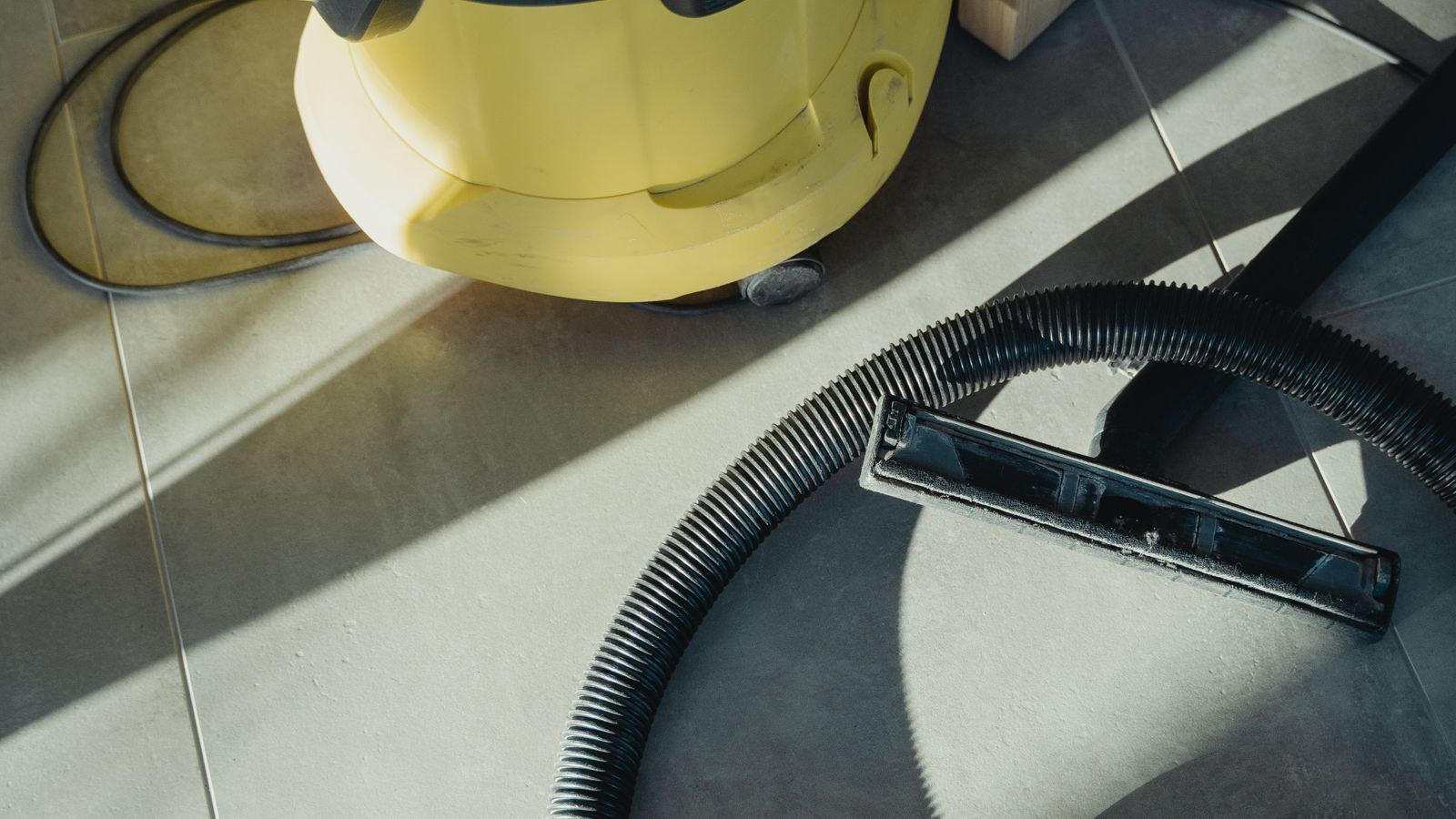
Hose diameter has a disproportionate effect on real-world performance because airflow scales with the cross-sectional area of the passage. Common sizes are 1-1/4 inch, 1-7/8 inch, and 2-1/2 inch. The narrow option is easier to handle and better for detail work and car interiors, but it clogs quickly on wood scraps or wet leaves. The widest option moves far more debris and resists clogging, at the cost of being stiff, heavy, and awkward in tight spaces.
For a general-purpose home machine, a hose around 1-7/8 inch strikes a good balance. Check the length too: 7 feet is common and frequently frustrating, while 10 to 12 feet lets you clean an entire car or a whole garage bay without repositioning the drum. Also verify that the hose material is flexible rather than rigid corrugated plastic, since stiff hoses fight you constantly and tend to tip lighter units over.
Accessory Fit and Standards
Accessories are only interchangeable within a given diameter, so a bargain nozzle set is worthless if it does not match your hose. The genuinely useful attachments are a wide floor nozzle with a squeegee insert for liquids, a crevice tool, a round brush, and a car nozzle if you plan on interior detailing.
Filters: The Part That Determines Whether It Works
Filtration is where most wet-dry vac owners go wrong. The standard pleated cartridge filter that ships with the machine is for dry debris only. Vacuuming water with it installed soaks the pleats, kills suction, and can permanently degrade the filter. For liquids you either remove the cartridge entirely or fit a foam sleeve designed for wet use, depending on the model’s instructions.
Dry work has its own trap. Ordinary cartridge filters pass a significant proportion of fine particles straight through and back into the room. Drywall dust, concrete dust, and fireplace ash are notorious for this, and vacuuming them with a standard filter produces a visible grey cloud from the exhaust. For those jobs you need a fine-dust cartridge, often paired with a collection bag that catches material before it reaches the filter. Bags also make emptying far cleaner, which matters more than most buyers expect.
Filter maintenance is straightforward but non-negotiable. Tap or brush the pleats clean after dusty jobs, wash washable cartridges and let them dry completely before reinstalling, and replace any filter with tears or crushed pleats. A collapsed or clogged filter is the single most common reason an otherwise healthy machine seems to lose power.
Features Worth Paying For and Features to Skip
Beyond the core three specifications, a handful of features genuinely improve daily use. A drain port at the base of the drum lets you empty water with a hose instead of lifting the tank, and it is the feature most owners of larger units say they would not go without. A blower port reverses airflow to clear leaves from a driveway or dry a damp floor. Onboard accessory storage keeps the tools with the machine rather than scattered around a workshop. Large rear wheels or locking casters make a loaded drum far easier to steer.
Two features deserve extra attention if they apply to you. A power tool outlet with auto-start runs the vac whenever a connected sander or saw is triggered, which transforms dust collection in a workshop. And noise level matters more than spec sheets suggest: many shop vacs run in the 85 to 95 dB range, loud enough to warrant hearing protection during long sessions. Quieter models exist and are worth seeking out if you use the machine indoors.

Corded Versus Cordless
Cordless wet-dry vacs have improved substantially and are genuinely useful for car cleaning, quick spills, and job sites without convenient power. They are lighter, start instantly, and remove the constant tangle of a 20-foot cord. The compromise is runtime and sustained suction: most battery units deliver strong performance for 10 to 25 minutes before power tapers, and their smaller drums fill fast.
Corded models remain the right choice for extended work, large water events, and anything involving heavy dust. Many owners eventually settle on both, using a small cordless unit for the car and a larger corded machine for the garage. If car interiors are your main use case, the best vacuums for car detailing roundup covers compact options with the crevice reach that job demands, and our dedicated car vacuum buying guide goes deeper on cord length, filtration, and nozzle design for automotive work.
Budget Tiers and What Changes at Each Level
Entry-level machines usually offer a small drum, a short narrow hose, a basic cartridge filter, and a modest motor. They handle occasional spills and car cleanups perfectly well and are a sensible first purchase if your needs are light. Step into the mid range and you gain a larger tank, a wider and longer hose, better filtration options, a drain port, and noticeably better build quality on the casters and latches. This is where most homeowners find the best value.
Premium units add stronger motors, quieter operation, HEPA-grade filtration, auto-start outlets, and more durable fittings. The largest jump in usefulness happens between entry and mid range.
Common Mistakes That Cost Buyers Money
- Buying on peak horsepower alone. Compare airflow and sealed suction, or amperage as a fallback, rather than the headline number.
- Choosing a tank too large to move. A drum you dread emptying gets used less than a smaller one you can carry.
- Vacuuming water with the dry filter installed. This ruins filters and kills suction; follow the manual’s wet-mode instructions every time.
- Ignoring hose diameter. A strong motor behind a narrow hose clogs constantly and underperforms.
- Vacuuming ash, drywall dust, or flammable material carelessly. Fine dust needs a proper filter and bag, and warm ash is a genuine fire risk.
- Expecting carpet performance. Shop vacs lack the beater bars and sealed filtration that carpet cleaning requires; a dedicated machine like those in our best vacuum carpet cleaners comparison does that job far better.
Frequently Asked Questions
Can a wet-dry vac pick up broken glass safely?
Yes, and it is one of the tasks these machines handle best. Use a wide hose so shards do not lodge in the passage, empty the drum promptly rather than leaving glass sitting inside, and wear gloves when emptying. Avoid using a collection bag, since sharp fragments will tear it.
Do I need a HEPA filter on a shop vac?
Only if you regularly vacuum fine particles such as drywall dust, concrete dust, or allergens. For general workshop debris a standard cartridge is adequate. If anyone in the household has respiratory sensitivity, fine filtration is worth the extra cost.
How much water can I actually vacuum before emptying?
Plan on roughly two-thirds of the stated tank capacity, since the float valve cuts suction before the drum fills completely. Use the drain port if the model has one, because a full large drum is heavy and awkward to tip.
Why has my vac lost suction suddenly?
The usual causes, in order, are a clogged or saturated filter, a blockage in the hose or intake, a full drum triggering the float valve, or a loose drum latch letting air leak in. Check those four before assuming a motor problem.
Final Thoughts
Choosing a wet-dry vac becomes straightforward once you stop reading horsepower claims and start with the mess. Decide the largest job you realistically expect, pick a tank you can still move when it is full, insist on a hose wide and long enough to reach without clogging, and budget for the right filter for the material you will be vacuuming. Those four decisions determine almost all of your satisfaction with the machine, and none of them appear in the largest print on the box. Approach your purchase in 2026 with that order of priorities and you will spend less while getting considerably more useful capability.