 Owen Bradley
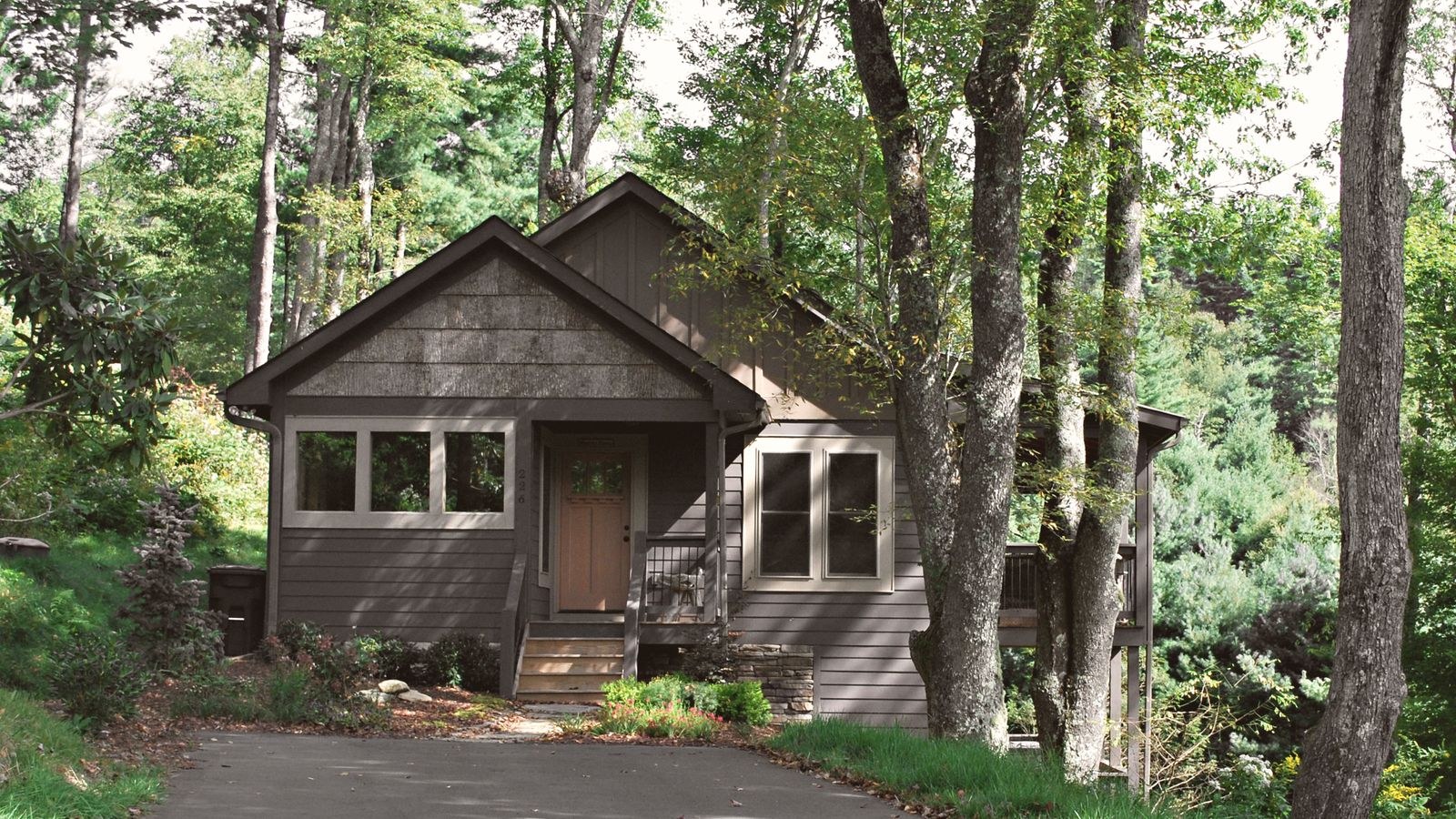
A second home has a security problem that a primary residence does not: nobody is there. Weeks pass with no lights, no mail collected, and no one to notice a broken window, a frozen pipe, or a door left open by a departing guest. The threats differ in kind too. Break-ins matter, but so do burst pipes, power cuts that spoil a freezer, and a heating system that failed in January and was discovered in April. This vacation home security guide covers the monitoring, locks, environmental sensors, and habits that let you leave a property empty for months and still know, within minutes, when something is wrong.
Start With the Connection, Because Everything Depends on It
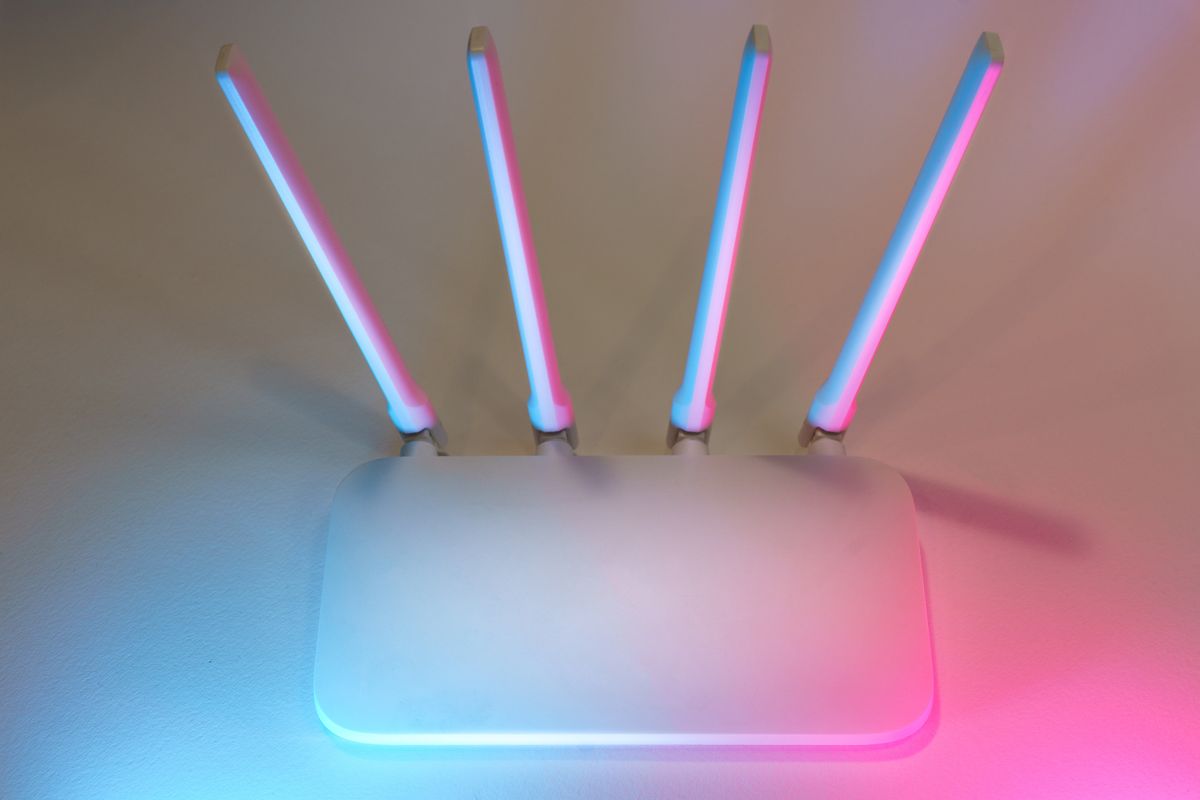
At a primary residence, internet is a convenience. At an empty property it is the foundation of the entire system, because every camera, sensor, and lock reports through it. Before choosing any device, solve connectivity.
Keep a broadband connection active year-round if one is available; it is cheaper than a single insurance claim. If the property is remote, a cellular hub or fixed-wireless service is often the only practical option. In genuinely off-grid locations, satellite service has become viable, though power draw needs checking.
Whatever the primary link, plan for it to fail. Two features matter more than any camera specification:
- Cellular backup on the alarm hub, so a cut phone line or a dropped connection does not silence the system.
- Battery backup on the hub, router, and modem, sized for at least several hours. A small uninterruptible power supply covers most short outages and keeps the system reporting during exactly the conditions that cause problems.
Set the system to notify you when it loses connection or power, not only when it detects an intruder. At an empty house, silence is ambiguous, so you want the absence of a heartbeat to be an alert in itself.
Local Recording Matters More Here
Where connectivity is unreliable, choose equipment that records locally and syncs when it can, rather than devices that are useless the moment the link drops. A base station or recorder with onboard storage keeps capturing through an outage, and you retrieve the footage later. Cloud-only cameras at a remote property have a habit of missing the one event you needed.
Monitored Alarms and Response
Self-monitoring works when you are twenty minutes away. It fails when you are five hours away or on a plane. For a property you cannot reach quickly, professional monitoring is the layer that converts an alert into an actual response, because the monitoring center can dispatch police or a keyholder while you are unreachable.
When comparing systems for a second home, weight these features heavily:
- Cellular and battery backup as standard, not as a paid add-on.
- Environmental monitoring for freeze, flood, and smoke on the same platform as intrusion, so one app covers everything.
- Multiple contact escalation, so a local caretaker or neighbor is called when you do not answer.
- Arming schedules and geofencing that suit intermittent occupancy rather than a daily commute pattern.
- Partition or zone control, so you can arm the perimeter while guests use part of the house.
Full system comparisons, including which platforms include cellular backup at the base tier, are covered in our roundup of the best home security systems. Whichever you choose, register a local keyholder with the monitoring company, because a dispatch that finds a locked house and no one with a key achieves very little.
Cameras for a Property You Cannot Visit
Camera priorities shift at a vacation home. You are less interested in who rang the bell and more interested in confirming the building is intact, the driveway is clear, and no one is on the grounds.
Cover four things, in order: the main entrance, the driveway or access track, the rear or waterside elevation that nobody overlooks, and one interior view of the main living space so you can confirm the inside is undisturbed. A camera pointed at the mechanical room is an underrated fifth, since it shows a leak or a failed heater at a glance.
Practical requirements differ from a city home. Choose cameras rated for the temperature extremes the property actually sees, since battery chemistry fails in deep cold. Prefer models with onboard storage plus cloud sync. Where power is intermittent, solar-assisted units with generous battery capacity avoid a dead camera after an outage. And favor equipment that lets you check a live view on demand, because the ability to look at the house on a whim is most of the reassurance you are paying for. Models suited to unattended and off-grid use are compared among the best remote security cameras, where cold tolerance and offline recording are treated as primary specifications rather than footnotes.
Set alerts thoughtfully. At an empty property, any person detection is meaningful, so you can afford tighter sensitivity than you could at home. Exclude the public road and any neighboring land from activity zones, and schedule expected visits from cleaners or contractors so their arrivals do not desensitize you.
Environmental Sensors: The Threats That Actually Cause Losses
Insurers consistently report that water and freeze damage cost second-home owners more than burglary does. A pipe that splits in an unoccupied house can run for weeks. These sensors are inexpensive and belong in every empty property.
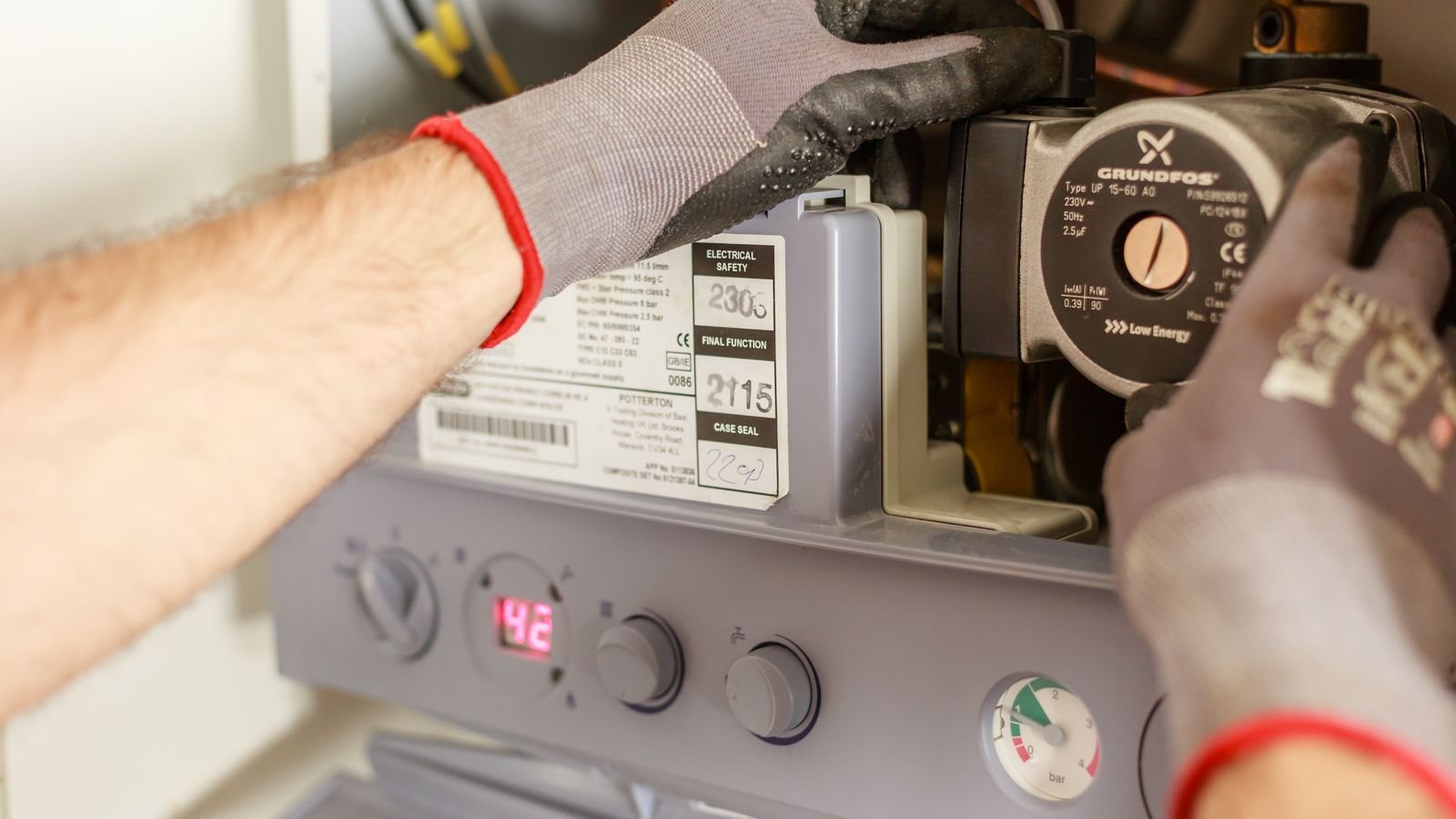
- Leak sensors under sinks, behind the washing machine, beside the water heater, at the boiler, and on the floor of any mechanical room. Place them at the lowest point where water would collect.
- Freeze and temperature sensors in the coldest rooms and near exposed pipe runs, set to alert well above freezing so you have time to act.
- An automatic water shutoff valve on the main supply. This is the single most valuable device at an unoccupied property, because it closes the supply the moment a leak is detected rather than waiting for you to send someone.
- Smoke and carbon monoxide detectors that report remotely and are monitored, so a fire is dispatched rather than merely announced to an empty building.
- Power monitoring so you know when the electricity failed, which matters for heating, sump pumps, and freezers.
- Humidity sensors in basements and closed-up rooms, which give early warning of a slow leak or a mold risk.
If the property is unheated in winter, drain the system properly rather than relying on sensors alone. Sensors tell you a pipe froze; drainage means there was nothing to freeze.
Access Control for Guests, Cleaners, and Contractors
Second homes have unusual access patterns. Family arrive at odd hours, cleaners come between bookings, and a contractor may need entry on a day you are a thousand miles away. Physical keys handle this badly: they get copied, lost, and left under mats, and every copy is permanent.
A smart lock solves the problem by making access temporary and auditable. The features that matter for an unoccupied property are specific:
- Unique codes per person, so you can see who entered and when, and revoke one person without changing everyone else’s access.
- Time-limited and scheduled codes, so a cleaner’s code works Fridays between 10 and 2 and never otherwise, and a guest’s code expires at checkout.
- Remote lock and unlock, so a departed guest leaving the door unlatched is a thirty-second fix rather than a call to a neighbor.
- Auto-lock after a set delay, which catches the most common failure of all: a door left unlocked.
- A mechanical key override and clear low-battery warnings, since a dead lock at a remote property is its own emergency.
Rental and short-let properties have additional requirements around code turnover and platform integration, which our comparison of the best smart locks for airbnb addresses directly. For owners who simply want remote control and app access without a rental platform, the best wifi door locks roundup covers connectivity options and battery life, and if you are new to keyless entry the smart locks and keyless entry guide explains the underlying types before you commit to an ecosystem.
Whatever lock you fit, keep a mechanical backup arrangement. A lockbox with a physical key held by a trusted local contact, mounted out of sight rather than on the front door, is the standard fallback when a battery dies or a network drops.
Make the House Look Occupied
Technology aside, the strongest deterrent at a seasonal property is the appearance of habitation. Empty houses are chosen precisely because they look empty.
- Randomized lighting. Smart bulbs or plug-in timers running an irregular evening pattern in two or three rooms beat a single lamp on a fixed schedule, which reads as automation.
- Grounds maintenance. Arrange lawn mowing in summer and snow clearing in winter. An uncleared driveway after a snowfall announces the house is empty more loudly than anything else.
- Mail and deliveries. Hold or forward mail, and cancel recurring deliveries. Accumulated post is a classic tell.
- Blinds and curtains. Leave them in a normal daytime position rather than fully closed, and vary them if a neighbor can help.
- A vehicle in the drive. If a neighbor can occasionally park there, it is remarkably effective.
- Social media discipline. Do not announce that the house is empty, and ask guests not to geotag their departure.
Enlist a Local Set of Eyes
No system replaces a person nearby. A neighbor, a caretaker, or a property manager who walks the property monthly will spot a lifted roof tile, a dripping overflow, or a gate left open long before a sensor does. Give them a key or a code, put them on the alarm contact list, and make it worth their while. Agree in advance what they should do in each scenario, so a call at 6 a.m. does not begin with a discussion.
A Closing-Up Checklist
- Lock and physically check every door and window, including outbuildings.
- Shut off the water at the main, and drain the system if the property will be unheated.
- Set heating to a frost-protection temperature rather than switching it off entirely.
- Unplug non-essential appliances to reduce fire and surge risk.
- Empty and prop open the refrigerator if power will be off.
- Confirm every sensor, camera, and lock reports as online in the app before you leave.
- Test the alarm and confirm the monitoring center received the signal.
- Store valuables out of sight, and remove anything that would be visible from a window.
- Secure ladders, tools, and outdoor furniture that could be used for entry.
- Notify the caretaker and the monitoring company of your departure and expected return.
Common Mistakes
The first is cancelling internet service over the winter to save money, which disables the entire system in the season with the highest risk. The second is relying on cloud-only cameras at a property with an unreliable connection. The third is neglecting environmental sensors, which are the threats most likely to cause a large claim. The fourth is leaving a single permanent key code that every cleaner, guest, and contractor has used for years. The fifth is arranging monitoring without registering a local keyholder, so an alarm produces a dispatch that cannot get inside.
Frequently Asked Questions
Is professional monitoring worth it for a second home?
Usually yes, more so than at a primary residence, because you cannot respond yourself. The value lies in dispatch and in the environmental alerts that catch a leak or a heating failure early.
What if there is no internet at the property?
Use a hub with a built-in cellular radio and choose cameras that record locally. Coverage should be tested at the property, not assumed from a coverage map.
Will my insurance require anything specific?
Many policies impose conditions on unoccupied properties, including maximum vacancy periods, minimum heating temperatures, water shutoff requirements, and specified lock standards. Read the wording before designing the system, since compliance may dictate several of your choices.
Are smart locks safe for a rental property?
Yes, provided you use unique time-limited codes, change or expire them between guests, review the access log, and keep a mechanical override available for battery failure.
Final Thoughts
Securing a vacation home is less about hardening it against a determined burglar and more about never being uninformed. Keep the connection alive with cellular and battery backup, monitor water and temperature as seriously as you monitor doors, record locally so an outage does not blind you, hand out access that expires instead of keys that do not, and keep one trusted person nearby who can walk the property and open a door. Set up that way in 2026, an empty house stops being a blind spot.