 Owen Bradley
Once you decide your tap water needs help, the choice narrows fast to two formats: a countertop water filter that sits beside the sink, or an under-sink system plumbed into the cold line. Both remove a similar range of contaminants, both use replaceable cartridges, and both cost roughly the same to run over five years. What separates them is everything around the filtration itself, namely install effort, counter space, flow rate, and whether your landlord will ever find out. This comparison walks through each factor honestly so you can pick the format that suits your kitchen rather than the one with the loudest marketing.

The Two Formats in Plain Terms
A countertop filter is a self-contained housing that lives on the worktop. Some models connect to the faucet with a diverter valve, so you flip a lever and water routes through the filter. Others are gravity units where you pour water into an upper reservoir and it drips through media into a lower tank. Either way, nothing is cut, drilled or permanently attached.
An under-sink system hides in the cabinet below. Cold water is tapped from the supply line, pushed through one or more cartridges, and delivered either to a dedicated small faucet drilled into the sink deck or back into the main cold outlet. The visible footprint is a single spout or nothing at all, and capacity is far larger because the cartridges can be full-size.
Installation: Twenty Minutes Versus an Afternoon
This is the biggest practical difference. A gravity countertop unit needs no installation whatsoever; unbox it, rinse the cartridges, fill it. A faucet-diverter countertop model takes about ten minutes, since you unscrew the aerator, thread on the diverter, and clip the hose. Both are reversible in seconds.
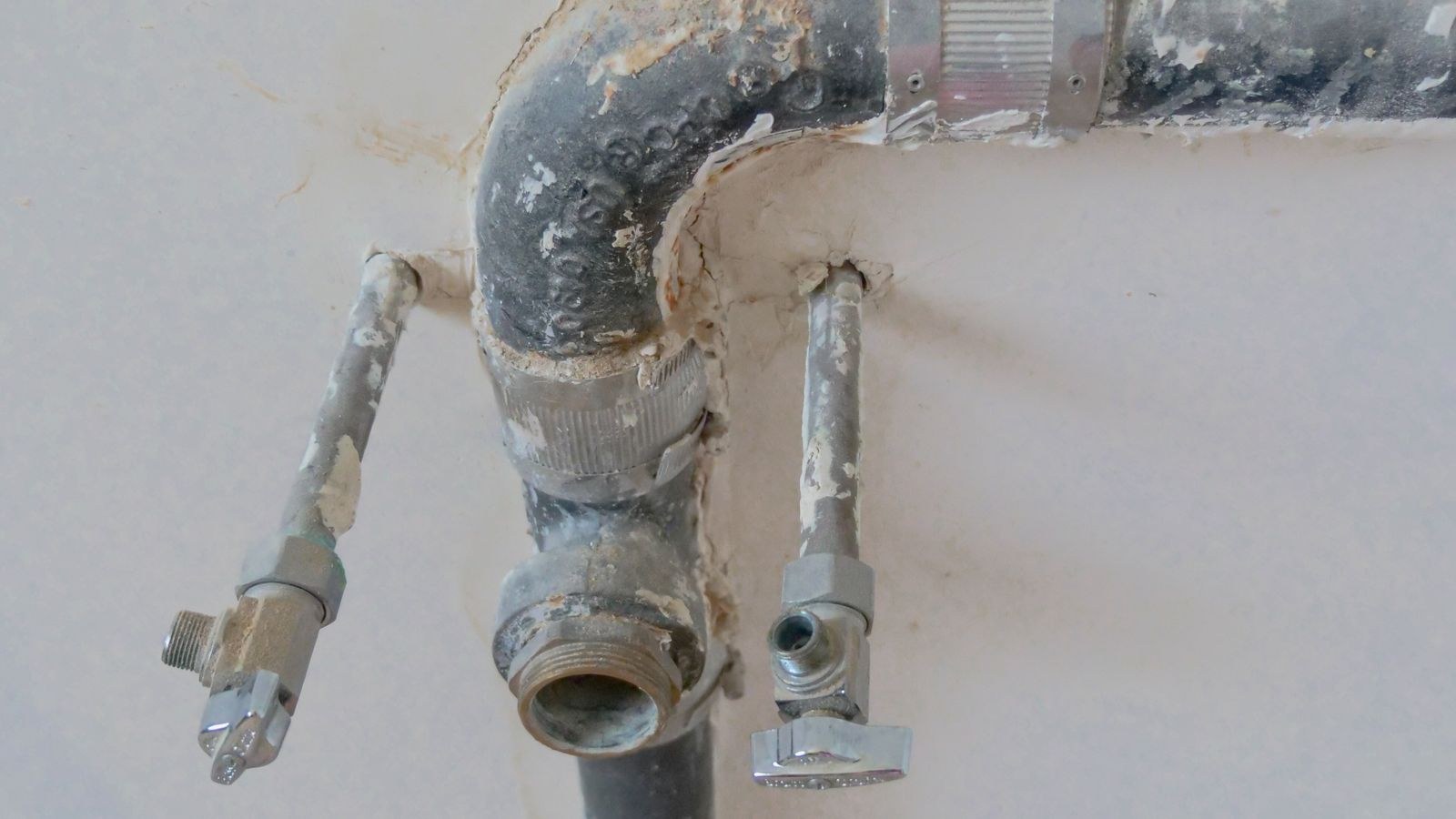
Under-sink systems ask more. At minimum you shut off the cold supply, fit a feed adapter to the angle stop, mount the bracket inside the cabinet, and run tubing. If the system uses a dedicated faucet, you also need a hole in the sink deck or worktop, and drilling granite or composite is a job most people hand to a professional. Budget two to three hours for a straightforward fit, longer if the cabinet is crowded with a waste disposal or shallow plumbing.
Renters Should Read This Part Twice
If you rent, a countertop filter is almost always the correct answer. Nothing is modified, nothing needs making good when you leave, and the whole unit moves with you in a box. Under-sink systems can be renter-friendly if they use a diverter on the existing faucet rather than a new hole, but any solution requiring a drilled deck needs written permission, and the hole is permanent.
Flow Rate and Waiting Time
Flow rate decides whether filtered water feels like an upgrade or a chore. Under-sink carbon systems typically deliver 0.5 to 1 gallon per minute, which fills a pot without you standing there. Faucet-diverter countertop units land in a similar range but often lower, around 0.5 gpm, because the housing is smaller and the media bed shallower.
Gravity countertop filters are the outlier. They drip at their own pace, often taking 15 to 30 minutes to fill a lower reservoir, so you have to plan ahead. For a household of one or two that is fine. For a family that empties a pitcher between meals, the constant refilling gets old quickly. If throughput is your main concern, the shortlists in our water purifier buying guide flag flow rate alongside contaminant reduction so you can compare like for like.
What Each Format Actually Removes
Filtration performance depends on the media, not the format, so do not assume under-sink means better. Activated carbon block handles chlorine, chloramine, taste, odour, many volatile organic compounds and, at fine micron ratings, lead and cysts. Both formats commonly use carbon block, and both can be certified to the same standards.
Where format matters is stage count. Under-sink housings have room for three or four cartridges in series, typically sediment, then carbon, then a polishing stage, and that layering both improves removal and extends the life of the expensive cartridge. Countertop units usually run one or two stages because the housing has to stay compact. If your water carries visible sediment or heavy chlorine, the extra prefilter room under the sink is a genuine advantage.
Always check certification rather than marketing claims. Look for testing against NSF/ANSI 42 for taste and chlorine, 53 for health contaminants such as lead and cysts, and 58 for reverse osmosis performance. A filter certified for one standard is not automatically good at the others. Our roundup of the best home water purifiers groups models by what they are actually certified to reduce.
Where Reverse Osmosis Fits In
Reverse osmosis pushes water through a semi-permeable membrane that rejects dissolved solids carbon cannot touch: nitrates, fluoride, arsenic, sodium, and total dissolved solids generally. If a lab test shows those, RO is the technology you need, not a bigger carbon filter.
Traditionally RO meant an under-sink system, because the membrane needs pressure, the setup needs a drain connection for the reject water, and the slow production rate demands a storage tank. That is still the highest-performing arrangement. However, countertop RO units now exist, using an internal pump to generate pressure and a removable waste jug instead of a drain line. They are excellent for renters but need manual emptying and refilling, and they take up considerable worktop space.
The Wastewater Question
Every RO system discards some water alongside the purified output. Older systems ran ratios as poor as 4 to 1, meaning four gallons down the drain per gallon produced. Modern efficient membranes and permeate pumps bring that closer to 1 to 1 or 2 to 1. Check the stated ratio before buying, especially if you are on a meter or in a water-scarce area.
Cartridge Costs Over Five Years
Purchase price misleads because cartridges dominate lifetime cost. Countertop carbon cartridges are typically rated 300 to 600 gallons and are replaced two to three times a year in an average household. Under-sink cartridges are larger, often rated 500 to 1,500 gallons, and usually change annually. Per gallon filtered, under-sink generally works out cheaper, though the gap narrows if the system uses three separate cartridges on different schedules.
Two traps catch buyers. The first is proprietary cartridges, where a cheap unit locks you into an expensive consumable only the manufacturer sells. Standard 10-inch cartridge housings avoid this and let you shop competitively. The second is forgetting replacements entirely; a saturated carbon filter stops working and can shed trapped contaminants back into the water, so an expired filter is worse than none.
Space, Aesthetics and Kitchen Reality
A countertop unit occupies prime worktop real estate permanently, usually a footprint around 10 by 12 inches and 15 inches tall for gravity models. In a small kitchen that is a real sacrifice. Under-sink systems hide entirely, but they claim cabinet space you may already be using for cleaning supplies or a bin, and RO systems with a tank need roughly a 12-inch cube of clearance.
Consider access too. Cartridge changes on a countertop model take seconds at eye level. Under-sink changes mean kneeling in a cabinet, shutting a valve, and catching drips, which is why quick-change twist cartridges are worth paying for. For whole-property options that sidestep the kitchen entirely, our whole home water purification guide explains when treating at the mains beats treating at the tap.
Which One Should You Buy?
- Choose countertop if you rent, want zero plumbing work, need portability, drink modest volumes, or want to try filtration before committing.
- Choose under-sink if you own the property, want filtered water on demand at full flow, need multi-stage filtration for problem water, and want the cheapest cost per gallon.
- Choose countertop RO if a lab test shows dissolved solids you must remove but you cannot plumb anything in.
- Choose under-sink RO if you have dissolved-solids problems, own the home, and want the best combination of purity and convenience.
If you are still deciding between technologies rather than formats, comparing full systems side by side helps; the best water purifier systems covers multi-stage setups, while the best water purifiers spans simpler single-stage options for straightforward chlorine and taste complaints.
Common Mistakes to Avoid
The most costly mistake is buying before testing. A filter aimed at chlorine does nothing for nitrates, and an RO system is overkill if your only complaint is taste. Spend a small amount on a water test first and let the results choose the technology.
Second is ignoring water pressure. Under-sink carbon systems need reasonable pressure to maintain flow, and standard RO membranes struggle below about 40 psi, which is why a booster pump is sometimes essential. Third is choosing on filter count alone, since a well-designed two-stage system frequently outperforms a poorly specified five-stage one. Finally, many people remove beneficial minerals with RO and dislike the flat taste; a remineralising post-filter fixes that for a small extra cost.
Frequently Asked Questions
Do countertop filters really work as well as under-sink ones?
For chlorine, taste and odour, yes, provided the cartridge is certified. Under-sink systems pull ahead on flow rate, cartridge life and multi-stage capability rather than on raw filtration chemistry.
Can I install an under-sink filter myself?
Usually. If the system connects to the existing cold line and uses a diverter rather than a new faucet, it is a straightforward push-fit job. Drilling a stone worktop for a dedicated faucet is the step worth outsourcing.
How often should cartridges be changed?
Follow the gallon rating, not the calendar, but treat 6 to 12 months as a backstop even in light use, since carbon degrades over time. Falling flow or returning chlorine taste means you are already overdue.
Does filtered water need refrigerating?
Carbon filtration removes chlorine, which was preserving the water, so filtered water should be treated like fresh food and stored cold if you keep it in a jug.
Will a filter fix hard water?
No. Standard carbon filters do not remove calcium and magnesium, so limescale continues. Only RO or a dedicated softener addresses hardness.
Final Thoughts
There is no universally better format, only a better fit. Countertop filters win on flexibility, zero-commitment installation and renter friendliness, at the cost of worktop space and smaller cartridges. Under-sink systems win on flow, capacity, running cost and invisibility, at the cost of an afternoon’s work and permanence.
Start with a water test, match the technology to what the test actually found, then let your living situation choose the format. Do that and you will avoid the most common outcome in 2026, which is an expensive filter sitting unused because it was slow, awkward, or solving a problem the household never had.