 Owen Bradley
A throw blanket has to do two jobs at once, and most fail at one of them. It has to look good draped across a sofa arm for the twenty-three hours a day nobody is using it, and it has to actually keep you warm for the hour you are. The material decides both. A chunky knit that photographs beautifully sheds fibres across the cushions and lets draughts straight through. A fleece that feels wonderful on night one pills into a rough grey mat by spring. This throw blanket guide compares wool, cotton, fleece, knits and the newer performance blends on warmth, washability and shedding, then covers the sizes that drape a sofa properly, so what you buy in 2026 is still the blanket everyone reaches for.
Start With How You Will Actually Use It
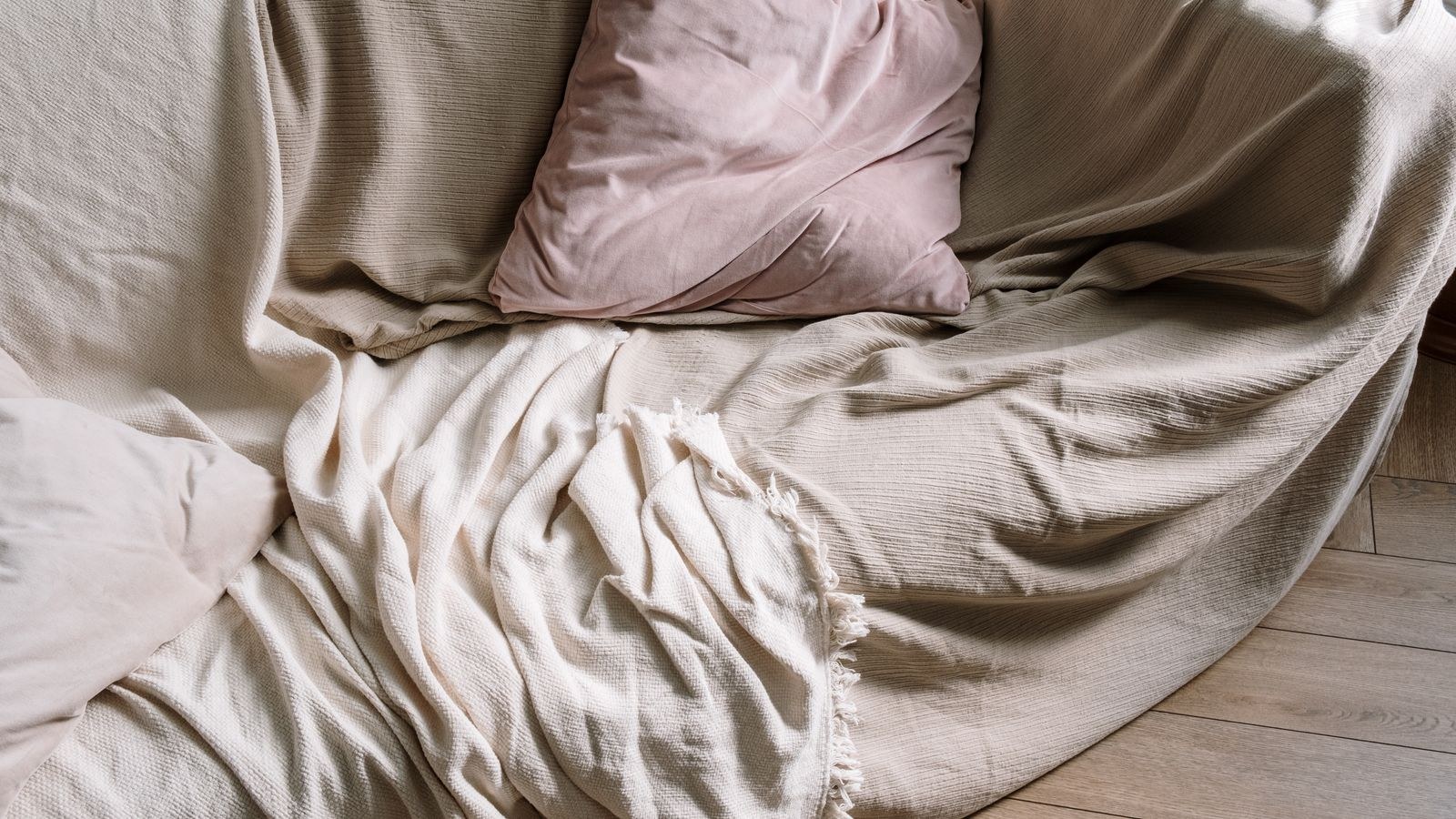
Before comparing fibres, decide which of three roles the blanket is filling. A decorative throw lives on the sofa arm or the end of a bed and is chosen mainly for texture and colour; warmth barely matters. A working throw is the one you pull over your legs every evening, so it needs real insulation, a size that covers you properly, and the ability to survive frequent washing. A shared throw covers two people on a sofa, which means it needs to be considerably wider than the standard size most brands sell.
Households usually need two of these rather than one blanket that compromises on everything. A handsome wool throw for the look, a washable everyday one for the actual sitting. Deciding this first stops you spending heavily on a delicate piece that then gets covered in crumbs and dog hair within a week.
Standard Sizes and How They Drape
The typical throw blanket measures around 50 by 60 inches, which is enough for one adult to cover from shoulders to feet while seated. Larger throws at 50 by 70 or 60 by 80 inches suit taller people, anyone who stretches out on a sofa, or sharing between two. Anything smaller than 45 by 55 becomes a lap blanket, which is fine for a chair but frustrating on a sofa.
Drape depends on weight as much as size. A heavy woven wool throw falls in soft vertical folds and stays where you put it. A lightweight cotton throw slides off a leather sofa within minutes. A stiff chunky knit holds a sculptural shape but can look bulky rather than relaxed. If your sofa is leather or performance velvet, choose something with a bit of weight and a slightly grippy weave, or it will spend most of its life on the floor.
For styling, the reliable approach is to fold the throw loosely into thirds lengthwise and lay it diagonally across one corner of the sofa, letting the ends fall unevenly. Tight rectangular folding reads as a hotel; a loose diagonal reads as a home. Our roundup of the best throws for sofas compares weights and weaves specifically for how they hang on different upholstery.
Wool: The Warmest Option, With Caveats
Wool insulates better than anything else at the same weight, because the crimped fibres trap air. It also regulates temperature, so you are less likely to overheat under it than under a synthetic of similar warmth, and it resists odour and stains naturally thanks to the lanolin in the fibre.
The type of wool matters enormously. Merino is fine, soft against bare skin and non-itchy, which makes it the best choice if scratchiness has put you off wool before. Lambswool is soft and lofty at a moderate price. Cashmere is the softest and lightest but pills readily and costs several times more. Alpaca is warmer than sheep wool by weight, sheds less and is often better tolerated by people sensitive to lanolin. Coarser wools are durable and cheap but genuinely itchy against skin.
The trade-offs are real. Most wool needs hand washing or dry cleaning, though some merino throws are machine washable on a wool cycle. Wool pills in the first weeks of use, which a fabric comb resolves. And it is the most expensive of the mainstream fibres. What you get in return is a blanket that lasts decades rather than seasons.
Cotton: The Everyday Workhorse
Cotton throws are breathable, machine washable, hypoallergenic and inexpensive. They shed almost nothing, which makes them the sensible choice around dark upholstery, allergies and small children. They are also the right answer in warm climates or heated homes, where wool and fleece quickly become too much.
Warmth is where cotton falls short. It does not trap air the way wool does, so a cotton throw is a cover rather than an insulator. Weave helps: a waffle or thermal weave traps considerably more air than a flat weave, and a heavier woven cotton in a herringbone or basketweave gives noticeably more warmth than a thin knitted one. Cotton also absorbs moisture and holds it, so it feels clammy rather than cosy if you get damp under it.
For durability, cotton is hard to beat. It washes hundreds of times, softens rather than degrades, and tolerates hot washes for hygiene. Look for a stated weight; anything under about 400 grams for a full-size throw will feel insubstantial.
Fleece, Sherpa and Microfibre
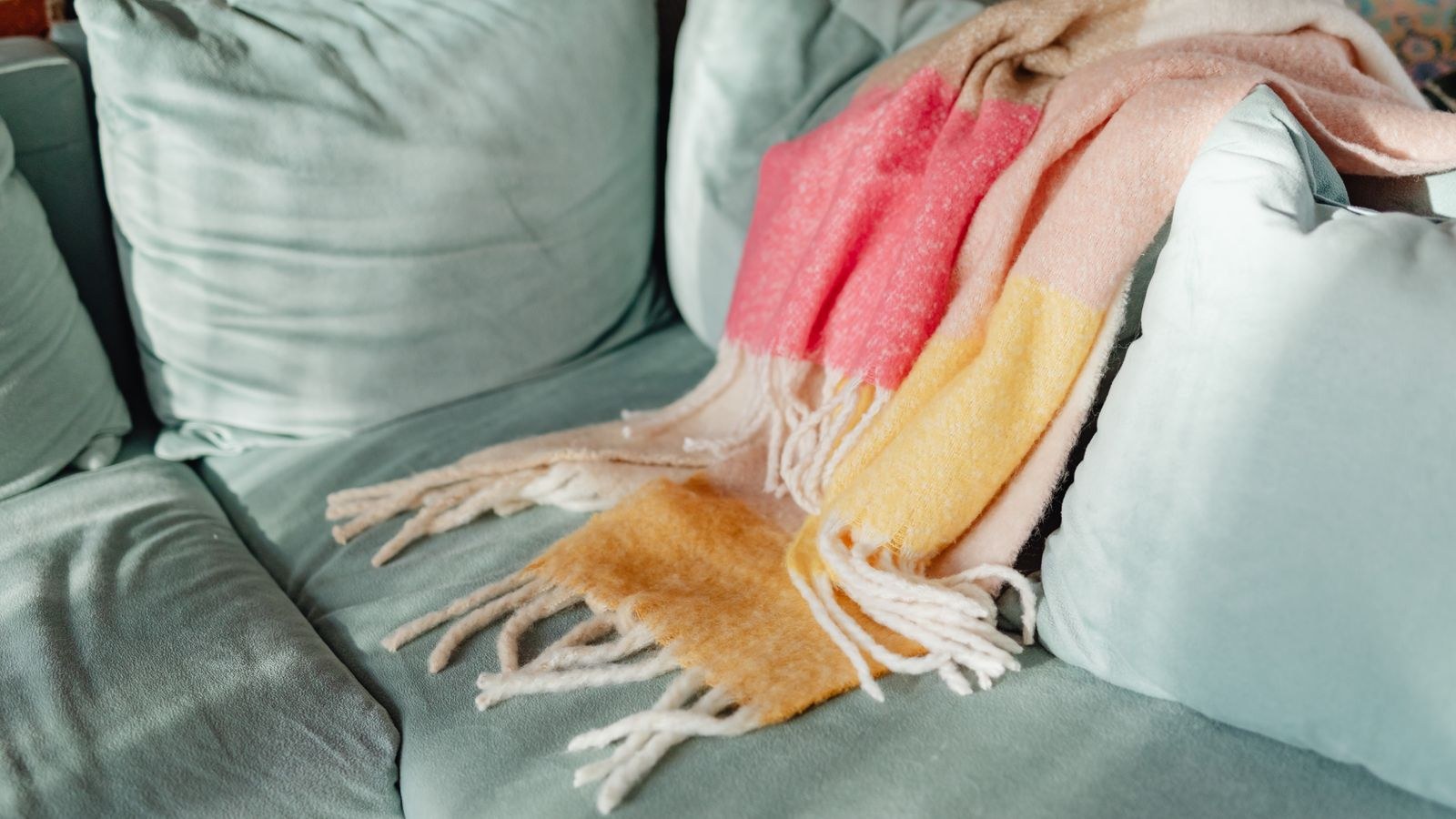
Polyester fleece is the cheapest route to instant warmth. It insulates well for its weight, dries fast, costs very little and comes in every colour imaginable. Sherpa adds a second, plusher face that raises the warmth further, and microfibre plush gives that velvety hand people love on first touch.
The problem is longevity. Fleece pills badly under friction, and once pilled it cannot really be restored. It also holds static, attracts pet hair magnetically, and is not breathable, so you overheat and then feel clammy. Cheap fleece flattens within a season of regular use.
Buy quality if you buy fleece at all. Higher-grade polar fleece with an anti-pill finish holds up considerably longer than the bargain equivalent, and a heavier weight resists matting. Wash it cold, on its own, without fabric softener, and never on high heat, since heat melts and mats the fibres permanently. Fleece is the right choice for a family room, a car, a child’s bedroom or anywhere the blanket will be washed weekly and replaced without regret.
Chunky Knits and the Shedding Question
Chunky knit throws are the most photographed and the most returned. The heavy braided or garter-stitch look is genuinely striking on a sofa or the end of a bed, and the open structure gives a soft, airy drape.
Two things catch buyers out. First, the loose structure means large air gaps, so a chunky knit is often less warm than a thinner woven blanket despite looking substantial. Second, many are made from roving or chenille yarns that shed heavily, leaving fibres across dark cushions and clothing for months. Tightly spun chunky yarns shed far less than loosely spun roving, so check the yarn construction rather than just the look.
Snagging is the other risk. Large open loops catch on rings, watches, zips and claws, and a pulled stitch in a chunky knit is very visible. Treat these as decorative pieces on a sofa that is not used roughly, and keep a washable throw nearby for the actual sitting. Our comparison of the best accent chairs shows how well a single draped knit works on a chair back, where it gets far less friction than on a main sofa.
Matching the Throw to Your Furniture
The blanket has to sit within the room, so weight and colour should relate to the upholstery beneath it. Pale, plain sofas can carry a bold colour or a strong texture without the room looking busy. Dark or heavily textured upholstery wants something quieter, and a shedding fibre on a dark sofa is a daily annoyance. Deep, soft seating suits a substantial woven throw; slim, firm mid-century pieces look better with something lighter that does not overwhelm the frame.
Colour is easiest when drawn from something already in the room rather than chosen in isolation. Pick a secondary shade from the rug, the curtains or the art, and let the throw echo it. That keeps the piece connected without matching so precisely that it looks like a set.
If you are furnishing from scratch, deciding the upholstery first makes every subsequent choice simpler. Our overviews of the best sofas and the shortlist of best comfortable sofas cover seat depths and cushion firmness, which tell you how large the throw needs to be to cover someone properly, while the guide to the best living room chairs is useful if the throw is destined for a reading chair rather than the sofa.
Care and Making a Throw Last
Read the label before the first wash, because the fibres want opposite treatment. Wool goes on a cold wool cycle or gets hand washed, then dries flat, never in a tumble dryer, which felts it irreversibly. Cotton takes normal warm washing and tolerates a dryer on low. Fleece and microfibre need cold water, no softener and no heat drying. Chunky knits usually want hand washing and flat drying, since their weight when wet stretches the structure out of shape.
Skip fabric softener across the board. It coats fibres, reduces breathability and accelerates matting in synthetics. For pilling on wool, a fabric shaver or a sweater comb restores the surface in minutes and can be repeated for years. Shake throws out weekly to release dust and trapped hair, and rotate between two so neither takes all the wear.
Quick Comparison at a Glance
- Warmest for the weight: wool, especially alpaca and merino.
- Easiest to wash: cotton, followed by good-quality fleece.
- Least shedding: woven cotton and tightly spun wool.
- Worst shedding: roving and chenille chunky knits.
- Best value warmth: anti-pill polar fleece, accepting a shorter lifespan.
- Best for allergies: cotton, or alpaca if lanolin is the problem.
- Best drape on leather: a heavier woven wool or cotton with some grip.
Common Mistakes to Avoid
The first is buying for the photograph. A chunky knit looks superb online and then sheds across a dark sofa for a year. The second is assuming thickness equals warmth, when an open-structure knit often insulates worse than a dense woven blanket half its bulk. The third is buying a single throw to do every job, which usually results in a piece too precious to use and too impractical to wash.
Two more are worth naming. Ignoring the wash label ruins more wool throws than moths ever will, since one hot cycle felts a blanket permanently. And buying the standard 50 by 60 size for a household that shares blankets leaves two people tugging at opposite ends every evening; if that is your situation, go straight to 60 by 80.
Frequently Asked Questions
What is the warmest throw blanket material?
Wool, with alpaca and merino leading on warmth per unit of weight. Wool traps air in its crimped fibres and regulates temperature better than synthetics of similar warmth.
Do chunky knit throws shed a lot?
Loosely spun roving and chenille versions shed heavily, particularly in the first months. Tightly spun chunky yarns shed far less, so check the yarn construction rather than the overall look.
What size throw should I buy for a sofa?
Around 50 by 60 inches covers one adult comfortably. Choose 60 by 80 if two people share it or if anyone stretches out full length on the sofa.
Can wool throws go in the washing machine?
Some merino throws are machine washable on a dedicated wool cycle, but many wools need hand washing or dry cleaning. Always check the label, and dry flat rather than in a dryer.
Final Thoughts
Choosing a throw blanket comes down to being honest about which job it is doing. If you want genuine warmth that lasts for years and you are willing to wash it carefully, buy wool. If you want something you can throw in the machine weekly and forget about, buy a heavier woven cotton with a waffle or thermal weave. If you want maximum warmth for minimum money and accept replacing it in a few seasons, buy anti-pill fleece. Then size it properly, at 50 by 60 for one person or 60 by 80 for two, and match its weight to the sofa it lives on. Get those three decisions right and you end up with a blanket that both looks good and gets used, which is a rarer combination than the marketing photos suggest.