 Owen Bradley
Every home security system eventually asks you the same question: when the alarm goes off and nobody is home, who hears it? That single decision splits the market into two camps. Self-monitoring sends the alert straight to your phone and leaves the response up to you. Professional monitoring routes the signal to a staffed central station that verifies the event and dispatches police or fire services on your behalf. Both approaches use largely the same sensors and the same hardware, so the choice is less about equipment and more about cost, response time, contracts and how much of the burden you want to carry personally. This guide compares self-monitoring vs professional monitoring on the factors that actually change outcomes, so you can decide before you spend money on a system in 2026.
What Self-Monitoring Actually Means
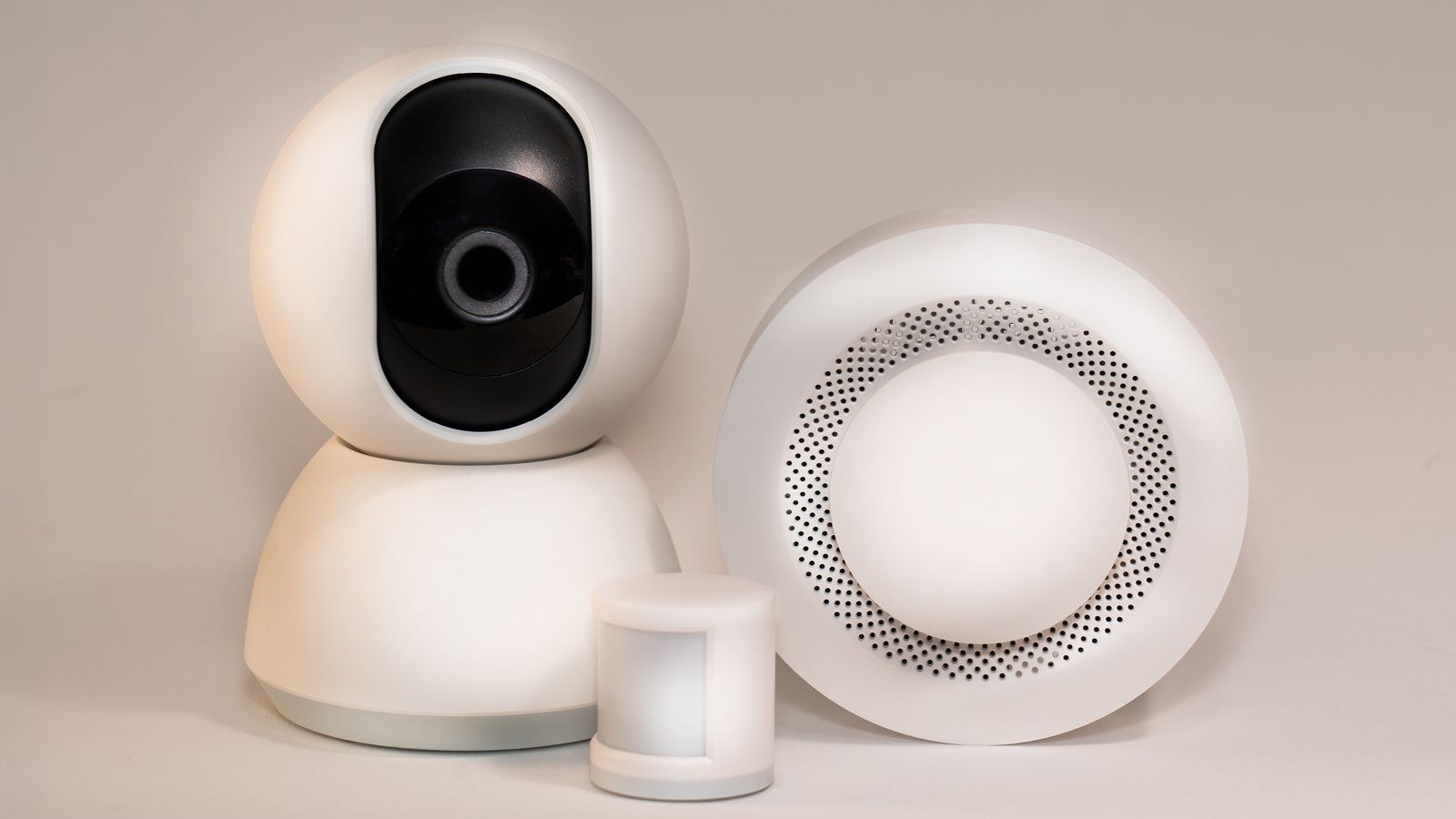
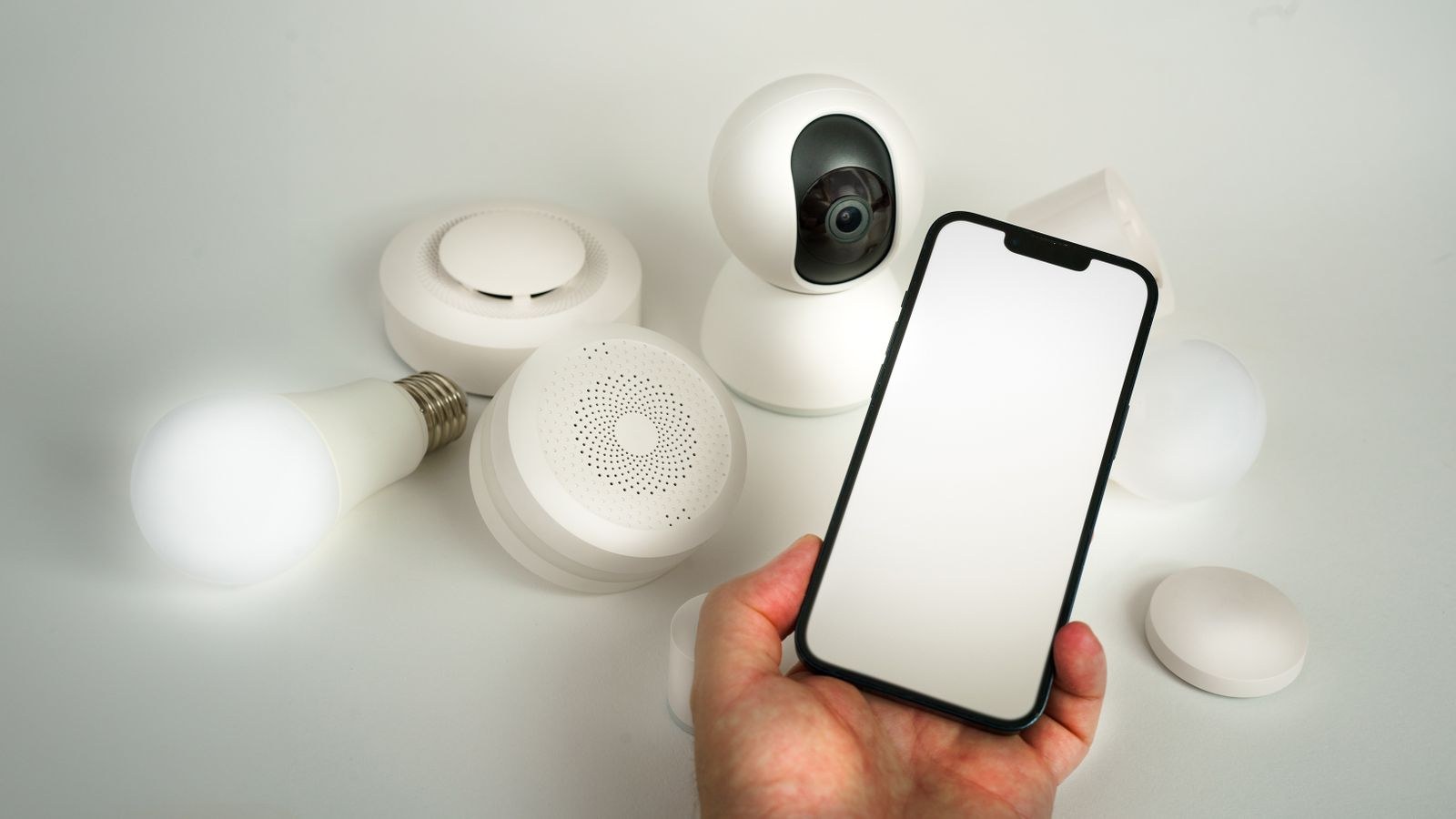
With self-monitoring, your hub or camera pushes a notification to your smartphone the instant a sensor trips. You open the app, check the live camera feed or sensor log, and decide what to do. If it is your teenager coming home early, you dismiss it. If it is a genuine break-in, you call the police yourself.
The appeal is obvious: no monthly fee beyond a small cloud storage plan, no contract, and full control. Modern DIY kits make this practical because push notifications are near-instant and most cameras keep several days of clip history. Many shoppers building this kind of setup start with the best DIY home security systems, which are designed from the ground up to run without a monitoring contract.
The catch is availability. Self-monitoring only works if you have your phone, it has signal, it is not silenced, and you are awake. On a plane, in a meeting, in a cinema or asleep at 3 a.m., a self-monitored alarm is functionally an unmonitored alarm plus a siren.
Who Self-Monitoring Suits
It works well for renters, apartment dwellers, people whose main worry is package theft or a leaking washing machine, and anyone who mainly wants visibility rather than an emergency response. It also suits households with close neighbours or family nearby who can check the property quickly.
What Professional Monitoring Adds
Professional monitoring puts a staffed central station between your sensors and the emergency services. When an alarm triggers, an operator receives the signal within seconds, attempts to verify it by calling your listed contacts or reviewing camera footage where supported, and dispatches police, fire or medical services if the event looks genuine or nobody answers.
The value is redundancy. Operators work around the clock in shifts, and reputable stations hold backup power, redundant network paths and secondary facilities that take over if the primary goes offline. Your phone battery is irrelevant. Most professionally monitored panels also include a cellular backup radio, so cutting the home broadband line does not silence the system. Full-service packages of this type are common among the best home security systems sold today.
Professional monitoring also covers life-safety events that no phone alert can handle well. A monitored smoke or carbon monoxide sensor will summon the fire service even if you are unconscious or away for the weekend, which is exactly the scenario where those detectors matter most.
Cost: The Honest Numbers
Self-monitoring typically costs nothing per month, or a small cloud plan of roughly $3 to $10 for camera recording. Professional monitoring generally runs between $20 and $60 monthly depending on the provider and how many services are bundled in.
Over a five-year ownership window, that gap is real money. A $30 monthly plan is $1,800 across five years, often more than the hardware itself cost. On the other hand, insurers frequently discount premiums by 5 to 20 percent for a professionally monitored system, and some of that gap closes on its own. Ask your insurer for the exact figure in writing before you assume it applies, and check whether they require a certificate from the monitoring company.
Also budget for the invisible costs. Self-monitoring means you may pay for extra cloud storage across several cameras, and it means your own time. Professional plans sometimes charge activation fees, equipment leasing or early-termination penalties that never appear in the advertised monthly rate.
Response Time and What Really Happens After an Alarm
Response time is where the two models diverge most sharply. A self-monitored alert reaches you in one to five seconds, but the clock does not stop there. You still have to notice the notification, open the app, decide, and dial. Realistically that is two to ten minutes if you are attentive and unbounded if you are not.
A central station operator typically begins verification within 15 to 45 seconds and completes dispatch in one to three minutes. More importantly, that process happens whether or not you are reachable. If your phone is off, the operator still works down your call list and still calls the police.
The Verified Response Problem
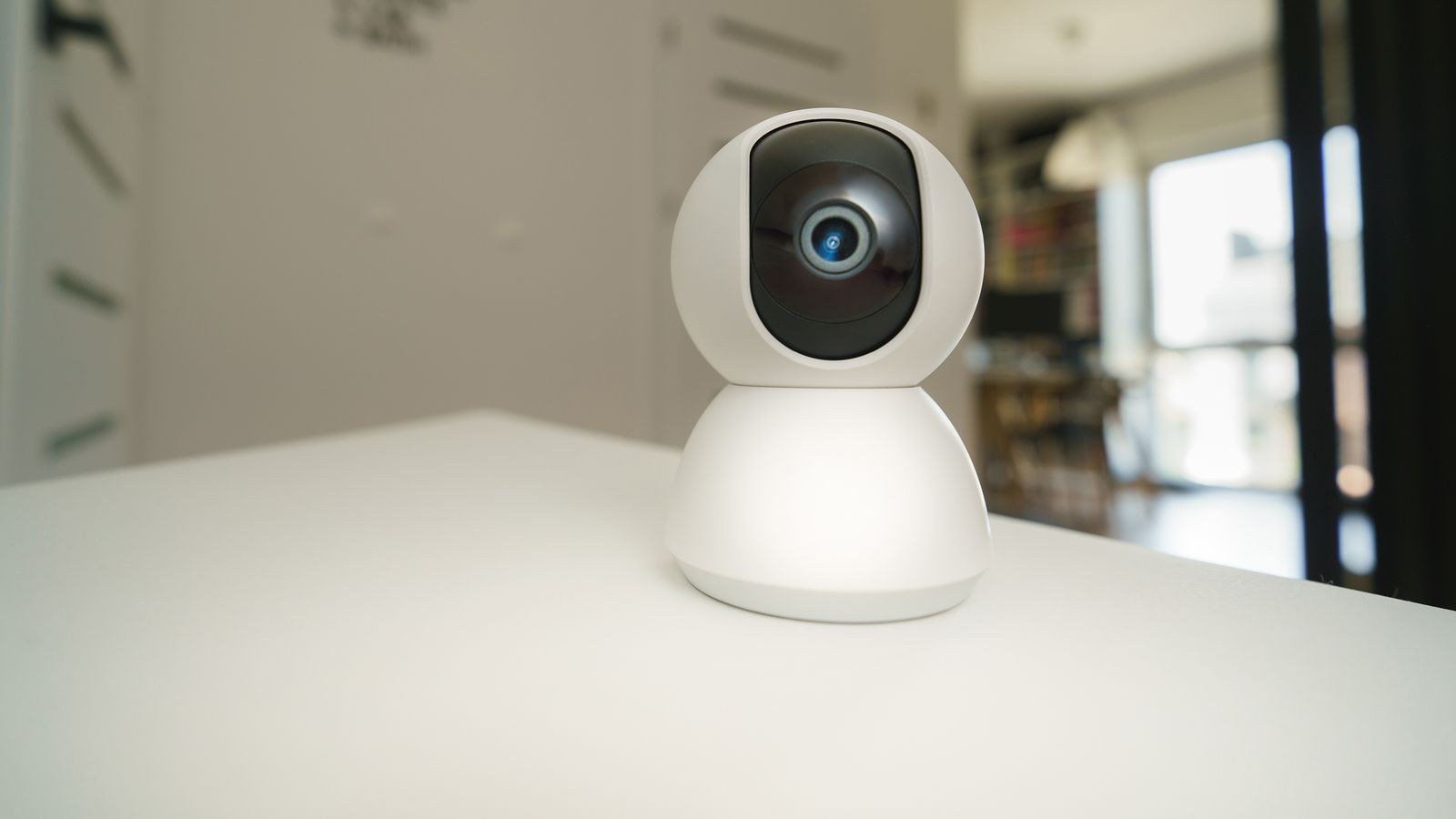
Many police departments now operate verified response policies, meaning they deprioritise or refuse to dispatch on an unverified burglar alarm. Verification usually means a second sensor trip, audio, or video confirmation, or a human witness. Central stations are built to provide that verification. A self-monitored siren with no human on the line may get a very slow response or none at all in those jurisdictions. Call your local police non-emergency line and ask what their policy is; it may settle the debate for you outright.
Contracts, Lock-In and False-Alarm Fees
Contract terms deserve as much scrutiny as monitoring quality. Traditional providers still push 36-month agreements with automatic renewal, and the monthly rate can rise after an introductory period. Newer companies offer month-to-month monitoring you can cancel or pause, which is genuinely useful if you travel seasonally or want professional coverage only while you are away.
Before signing, confirm four things: the total contract length, whether the hardware is owned or leased, the notice period for cancellation, and whether the equipment keeps working in self-monitored mode if you cancel. Some proprietary panels are effectively bricked without a subscription, which turns a cancellation decision into a hardware replacement decision.
False-alarm fees are the other hidden cost. Many municipalities require alarm permits and fine repeat offenders, with escalating charges that can run from $50 to several hundred dollars after the first few incidents. Both monitoring models can trigger these fines, but professionally monitored systems generate them more often simply because they dispatch more. Reducing false alarms comes down to sensible sensor placement, pet-immune motion detectors, generous entry delays and disciplined arming habits. If you are still choosing hardware, the sensor quality across the best alarm systems makes a measurable difference to nuisance triggers.
Reliability, Backups and Connectivity
Any monitoring model is only as strong as its weakest link. Self-monitoring depends entirely on your home internet and your mobile network. A router reboot, an ISP outage or a dead phone battery breaks the chain silently, and you often will not notice until you check the app days later.
Professional systems almost always add a cellular radio and a battery backup measured in hours, plus supervision signals that tell the central station if the panel stops reporting. That supervision is underrated: it catches a failed system before an intruder does. If you self-monitor, replicate as much of this as you can by adding a battery backup on your router, enabling offline alerts, and testing sensors monthly.
Signal reach matters too. Sensors in detached garages, basements and far bedrooms can drop off a weak mesh. Systems built around robust radio protocols hold up better in larger homes, which is why the best wireless home security systems are worth comparing on range and repeater support rather than sensor count alone.
A Hybrid Approach Most People Overlook
The two models are not mutually exclusive. Many current systems let you toggle professional monitoring on and off by the month with no penalty. That opens a practical middle path: self-monitor during ordinary weeks when someone is usually home, then switch on professional coverage for holidays, business trips or the weeks a house sits empty.
Another hybrid is selective coverage. Some providers monitor only life-safety devices such as smoke, heat and carbon monoxide sensors at a reduced rate while you handle burglary alerts yourself. Given that fire is the scenario where a delayed response is least survivable, this is a sensible compromise for cost-conscious households.
A Quick Decision Framework
- Are you regularly unreachable for hours at a time? Lean professional.
- Does your police force require verified response? Lean professional.
- Is your main concern porch theft, pets or leaks rather than burglary? Self-monitoring is enough.
- Do you rent and expect to move within a year or two? Self-monitoring avoids contract entanglement.
- Do you have monitored smoke or CO risk, medical needs or a vacation property? Professional wins clearly.
- Is the insurance discount worth more than half the monthly fee? Run the arithmetic before deciding.
Common Mistakes When Choosing a Monitoring Model
The most frequent error is assuming a loud siren alone deters intruders reliably. Sirens help, but a system with nobody responding is a deterrent, not a defence. The second mistake is buying professional monitoring and then never testing it; run a supervised test alarm at installation and every few months so you know the signal path works and your contact list is current.
A third mistake is choosing hardware before deciding on monitoring. Some panels lock you into one provider’s central station and cannot be self-monitored at all. Decide the model first, then shortlist equipment that supports it. If you want a broader walkthrough of sensor types, panel choices and layout planning before committing, our home security system buying guide covers the hardware side in depth.
Finally, do not skip the permit. Registering your alarm with the local authority is cheap, usually mandatory, and skipping it can convert a single false alarm into a fine plus a refusal to dispatch on future events.
Frequently Asked Questions
Can I switch from self-monitoring to professional monitoring later?
With most modern systems, yes, and often through the app in minutes. Confirm this capability before you buy, because older proprietary panels may require a technician visit or a hardware swap.
Does professional monitoring work if my internet goes down?
On systems with a cellular backup radio, yes. The panel switches to the cellular path automatically and the central station keeps receiving signals. Without cellular backup, an internet outage disables reporting entirely, which is why the radio is worth insisting on.
Will police respond faster to a monitored alarm?
Generally yes, because the dispatch comes from a verified professional source rather than an anonymous report. In jurisdictions with verified response rules the difference can be dramatic, ranging from prompt dispatch to none at all.
Is self-monitoring safe for a family home?
It can be, provided you pair it with loud local sirens, reliable notifications on more than one family phone, and monitored or interconnected smoke alarms. The weak point is always overnight and travel coverage.
Do insurers accept self-monitored systems for a discount?
Rarely at the same rate. Most carriers require a certificate from a recognised central station to grant the larger discounts, though a few offer smaller reductions for any alarm or camera presence.
Final Thoughts
There is no universally correct answer here, only a fit between the model and your daily life. Self-monitoring is the better value when you are usually reachable, your risks are moderate, and you dislike contracts. Professional monitoring earns its fee when you are frequently away, when your local police require verification, when life-safety sensors are in play, or when the insurance discount narrows the real cost gap.
Buy the hardware that supports either path, keep the option to switch, and revisit the decision whenever your circumstances change. A system you can flip between models as your travel schedule and household change will serve you far better through 2026 and beyond than one that locks you into a single answer on day one.