 Owen Bradley
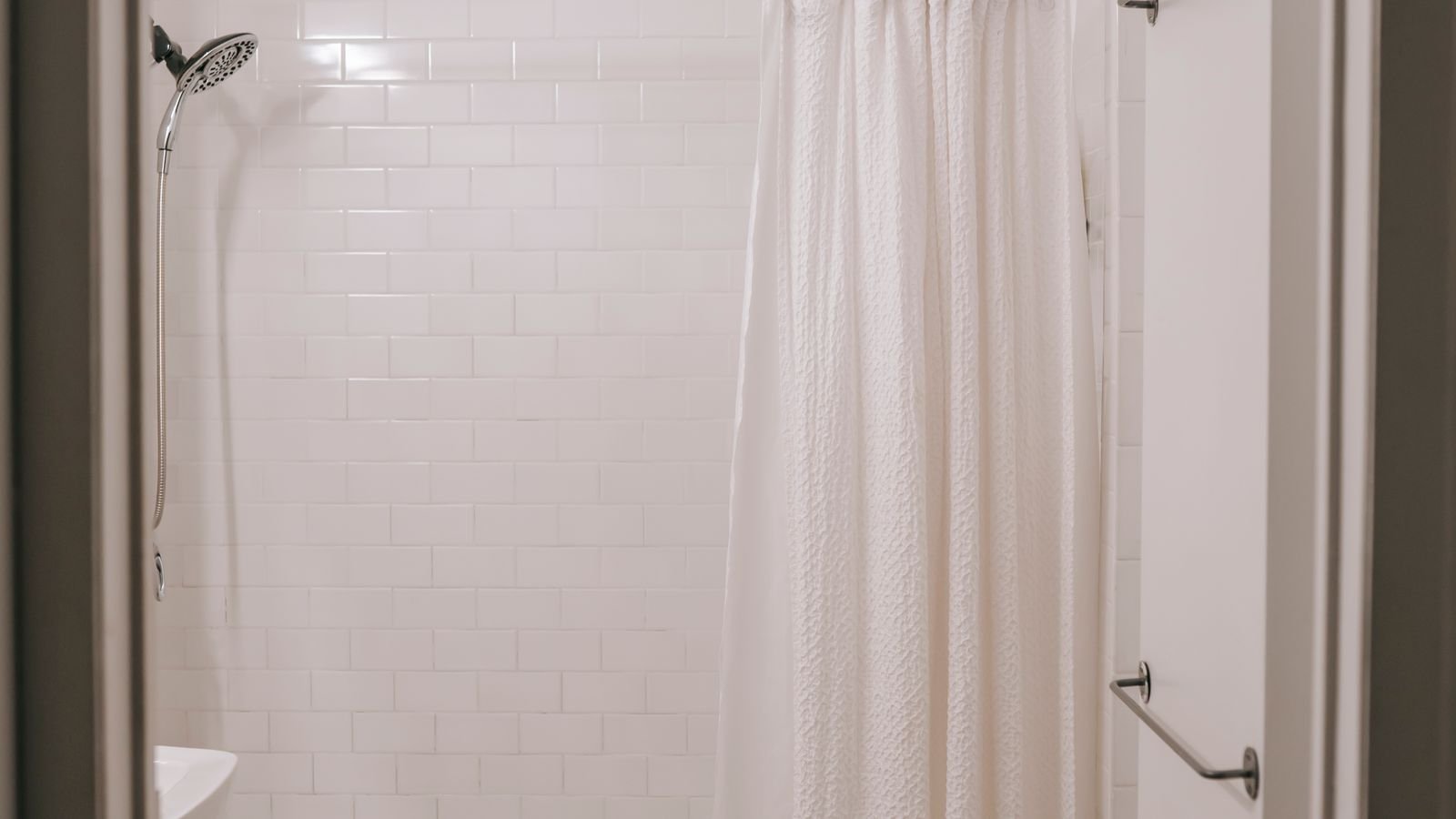
A shower curtain is one of the cheapest things in a bathroom and one of the most visible. Swap it and the whole room reads differently — which is exactly why the price spread is so confusing. You can spend under $15 or well over $120 on what looks, from three feet away, like the same rectangle of fabric. This guide breaks down where the money actually goes when you move from budget to luxury shower curtains, which upgrades change your daily experience, and which ones are pure marketing. By the end you should be able to look at any curtain, at any price, and predict how it will behave after a year of steam, soap and washing.
What You Are Actually Paying For
Price differences in shower curtains come down to five measurable things: the fiber, the weave density, the construction of the hem and header, the coating or waterproofing method, and the hardware that comes with it. Everything else — the brand name on the packaging, the styled photo, the word “hotel” — is presentation.
A budget curtain is usually 100% polyester at a low fabric weight, or a PEVA/EVA plastic sheet. A premium curtain is heavier polyester, cotton-polyester blend, or genuine cotton duck with a waterproof liner sold separately. The heavier fabric hangs straighter, resists the billowing that makes cheap curtains cling to your legs, and holds a crease-free drape after washing. That single property — weight — explains most of the perceived quality gap.
Fabric Weight and Weave Density
Look for GSM (grams per square meter) or thread count if the listing publishes it. Budget polyester often sits near 70–90 GSM; better curtains run 120–200 GSM. Denser weaves shed water faster instead of soaking it, which means less mildew at the hem. If a product page hides its fabric weight entirely, that is usually because it is not flattering.
Hems, Headers and Grommets
This is the single most reliable tell. Cheap curtains have a single-fold hem sewn once, punched with thin plastic-ringed holes that tear within a year. Quality curtains use a doubled or weighted bottom hem, a reinforced top header several inches deep, and rust-proof metal grommets that are properly set. If you have ever had a curtain rip at the top ring mid-shower, you have met a bad header.
Where Upgrading Is Genuinely Worth It
Not every upgrade pays off, but a few do so consistently that they are worth budgeting for even on a modest bathroom refresh.
- Fabric over plastic. Moving from vinyl to fabric removes the chemical smell, the crinkling, and the static cling. It is the single biggest jump in daily experience.
- Weighted hem. A magnet or sewn-in weight at the bottom keeps the curtain vertical instead of blowing inward. It solves a problem you notice every single day.
- Metal grommets. Rust-proof eyelets outlive the curtain. Plastic ones do not.
- Length and width. A curtain generously wider than the tub creates fullness and stops water escaping at the ends. Extra fabric costs money and it shows.
- Colorfastness. Better dyeing survives repeated hot washes without going chalky. Cheap prints fade at the fold lines first.
If you are shopping the upper end deliberately, our roundup of the best luxury shower curtains covers the hotel-weight fabrics and reinforced constructions that survive years of daily use, while the broader best quality shower curtains comparison shows where mid-price options match premium ones on the specs that matter.
Where Spending More Buys You Nothing
Some premium features are genuinely decorative. Embroidered borders, tasseled trim and elaborate jacquard patterns look excellent on day one and become mildew traps by month six, because textured seams hold moisture longer than flat weave. Similarly, “antimicrobial treated” claims fade after a handful of wash cycles — the finish is topical, not permanent, and a curtain you actually wash monthly stays cleaner than a treated one you never launder.
Designer collaborations, marble-print digital graphics and packaging that mimics bedding are all price without performance. And beware of any premium curtain sold without a liner: if you still need to buy a separate liner, the true cost of that “one-piece luxury solution” just went up.
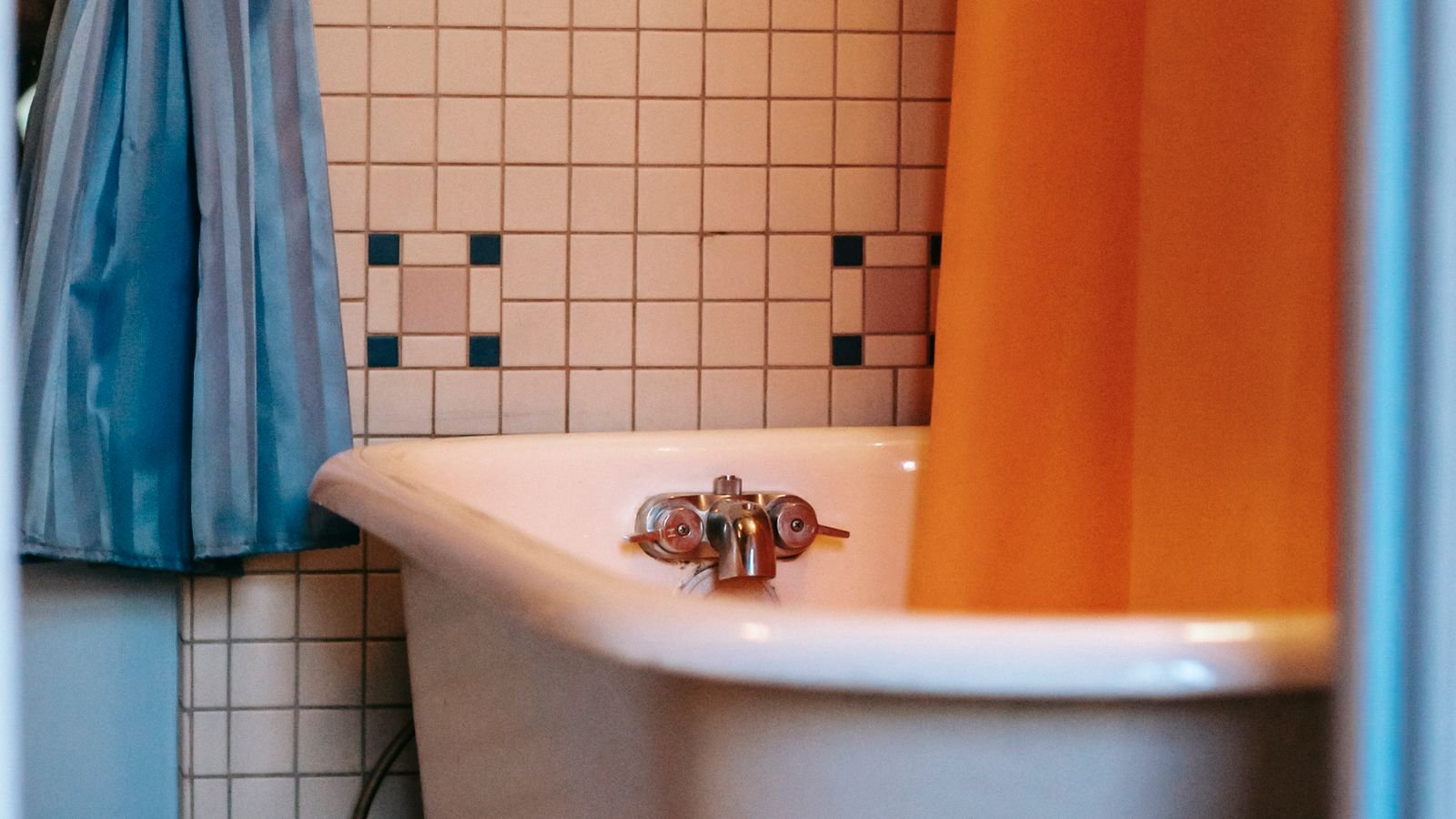
Materials Compared
Polyester
The workhorse. Dries fast, resists mildew better than cotton, washes easily and takes color well. Quality varies enormously with weight, so polyester is not automatically budget — many of the best fabric shower curtains are heavy polyester rather than natural fiber.
Cotton and Cotton Blends
Beautiful drape, soft hand, genuinely spa-like. But cotton absorbs water and stays damp, so it demands a liner and regular washing. Best for bathrooms with strong ventilation or a window.
Linen and Linen-Look
Textured, casual, expensive. True linen wrinkles by design and needs a liner. Linen-look polyester gives you the appearance with far easier care, and is the smarter buy for most households.
PEVA, EVA and Vinyl
Fully waterproof and cheapest by far. Modern PEVA is chlorine-free and much less odorous than old-school PVC vinyl. Excellent as a liner, mediocre as a standalone curtain.
The Liner Question
A liner is not optional if you buy fabric. It is the part that touches water; the outer curtain is the part that touches your eye. This split is why the smartest budget strategy exists: buy a modest outer curtain and a genuinely good liner. The liner does the waterproofing, gets replaced when it stains, and costs a fraction of the decorative panel.
Our comparison of the best shower curtain liners is the place to start, since the liner determines how long the panel in front of it survives. Choose a liner longer than the curtain by an inch or two so it tucks into the tub cleanly, and one with magnets or a weighted hem. Fabric liners breathe and wash well; PEVA liners wipe clean and cost less. Either beats no liner, which is how a $90 cotton curtain gets ruined in a season.
Sizing, Hardware and Fit
A curtain that fits badly looks cheap regardless of what it cost. Standard panels are 72 by 72 inches, but stall showers, clawfoot tubs and taller rods all need different dimensions. Measure from the rod to roughly one inch above the floor, or to the inside of the tub lip for tub-shower combinations.
- Measure your rod height from the floor and subtract the drop you want.
- Measure rod length and multiply by at least 1.5 for adequate fullness.
- Check whether your ceiling height calls for an extra-long 84-inch or 96-inch panel — hanging the rod high makes small bathrooms look taller.
- Count your rings: twelve is standard; more rings on a wide rod produce a tidier pleat.
Hardware matters more than most people expect. A flimsy tension rod that slips at 6 a.m. undoes any amount of fabric quality. Rust-resistant rings that glide silently, and a rod rated for the weight of a heavier curtain, are inexpensive upgrades with outsized daily payoff. Consider tension rods only for lightweight setups; among the best shower curtain rods, fixed-mount designs handle heavy cotton and linen far better. Pairing them with sturdy shower curtain hooks that glide instead of snagging keeps the whole assembly quiet.
Budget Tiers: What to Expect at Each Price
Entry Level
Thin polyester or PEVA, plastic eyelets, standard 72-inch sizing, printed rather than woven pattern. Perfectly serviceable for a rental, a guest bath or a stopgap. Expect roughly one to two years before the hem sags or the rings tear. Buy two and rotate.
Mid Range
The sweet spot for most homes. Heavier polyester or a waffle weave, metal grommets, reinforced header, often available in extra-long sizes. Looks close enough to premium that guests will not tell the difference, and survives frequent washing. Most of the meaningful upgrades live here.
Premium
Hotel-weight fabric, sewn-in bottom weight, generous width, colorfast dyeing, sometimes a matched liner included. Worth it if the bathroom is a room you use and look at constantly, or if you have repeatedly replaced cheap curtains and are tired of it. The value case is durability plus drape, not exclusivity.
Care That Extends Any Curtain’s Life
Most curtains die of neglect rather than age. A few habits change the math dramatically:
- Pull the curtain fully closed after every shower so it dries flat instead of bunched.
- Machine wash fabric curtains monthly on warm with regular detergent; add a cup of white vinegar to strip soap scum.
- Wash PEVA liners on a gentle cycle with a couple of towels for scrubbing action, then hang to drip dry.
- Never machine dry on high — heat melts coatings and shrinks blends. Hang damp and let it finish on the rod.
- Run the bathroom fan for fifteen minutes after showering. Ventilation prevents more mildew than any treatment.
Common Mistakes to Avoid
- Buying by photo only. Product images are styled with a curtain that has been steamed and clipped. Read the fabric weight instead.
- Skipping the liner. The fastest way to destroy an expensive curtain.
- Wrong length. Too short and water escapes; too long and the hem sits in floor grime.
- Hanging the rod at standard height in a tall room. Mounting higher with a longer panel is a free-looking upgrade.
- Ignoring the rings. Cheap rings snag, squeal and scratch the rod finish.
Frequently Asked Questions
Is a luxury shower curtain actually more waterproof?
No. Fabric curtains of any price are water-resistant, not waterproof — the liner does the waterproofing. What premium fabric buys you is faster drying, better drape and slower degradation, not a stronger water barrier.
How often should I replace a shower curtain?
A washed fabric curtain lasts three to five years or more. Liners are consumables — replace them every six to twelve months, or sooner if staining will not wash out. Budget curtains typically need replacing in one to two years.
Are cotton shower curtains worth the extra money?
Only in a well-ventilated bathroom where you will commit to washing them. In a windowless bath with a weak fan, heavy polyester will look better for longer and cause you far fewer problems.
Does a heavier curtain need a different rod?
Yes, often. Cotton and heavyweight blends can overwhelm a spring-loaded tension rod. Use a wall-mounted rod rated for the load, and add extra rings to distribute weight across the header.
What is the single best value upgrade?
A heavier fabric outer curtain paired with a good weighted liner. That combination fixes clinging, drape and mildew at once, and costs a fraction of a top-tier designer panel.
Final Thoughts
The honest answer is that the biggest quality jump happens well before the top of the market. Moving from a thin plastic sheet to a mid-weight fabric curtain with metal grommets, a weighted hem and correct sizing transforms how a bathroom looks and feels. Everything above that tier is refinement — real refinement, with better drape and longer life, but with diminishing returns. Decide how visible your bathroom is, how often you are willing to launder, and how long you want the curtain to last. Match the spend to those three answers rather than to a price tag, and you will get a curtain in 2026 that still looks intentional years from now.