 Owen Bradley
Pet bedding is the single hardest thing most washing machines are ever asked to handle. A dog blanket carries hair, dander, grit, dried mud and a stubborn layer of body oil, and if you throw it straight into the drum, most of that ends up in the pump filter, the drain hose and the door seal instead of down the drain. Learning how to wash pet bedding properly is mainly about what you do before the wash starts. Strip the loose hair first, pick a cycle that rinses hard, use a detergent that lifts oil without irritating your pet’s skin, then clean the machine afterwards. This guide walks through the whole routine, step by step.
Why Pet Bedding Clogs Washing Machines
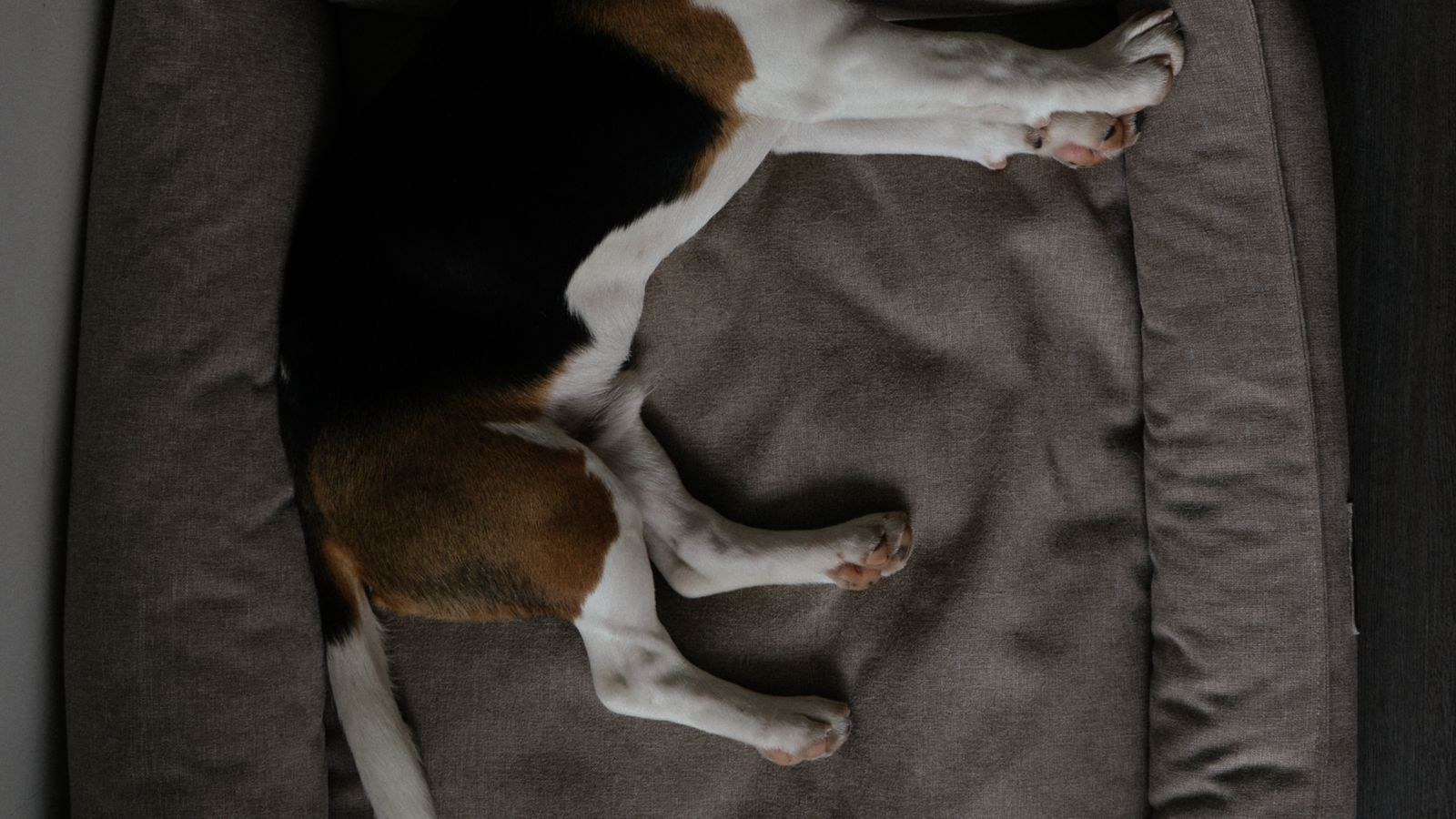
Pet hair does not dissolve and it does not sink. Once wet it clumps into felted mats that wrap around the drain pump impeller, block the pump filter and collect in the corrugations of the drain hose. Add sand and grit from outdoor walks and you get an abrasive slurry that wears seals. The oils in a well-used bed then bind the whole mixture together, so what began as loose fur becomes a solid plug.
The symptoms are familiar to any pet owner: cycles that stop with a drain error, water left standing in the drum, a persistent damp smell from the door gasket, and hair transferring onto the next load of clothes. All of it is avoidable, and none of it needs special equipment.
Check the Care Label First
- Removable covers are usually machine washable; the inner foam core almost never is.
- Memory foam inserts should be spot cleaned and air dried, since a washing machine tears the cell structure apart.
- Orthopaedic and heated beds often have electrical elements. Remove them entirely before any water touches the bed.
- Waterproof-lined bedding tolerates warm but not hot water, which delaminates the coating.
- No label at all? Treat it as warm wash, gentle cycle, air dry.
What You Will Need
- A vacuum with an upholstery or pet-hair brush head.
- A rubber glove, a lint brush or a pumice-style hair remover.
- A stiff brush and a bin for the loose hair.
- Pet-safe, fragrance-free detergent, plus an enzyme cleaner for accidents.
- White vinegar or baking soda for odour.
- A large mesh laundry bag for smaller items and toys.
- Old towels for balancing the load and lining the drum.
How to Wash Pet Bedding Step by Step
- Shake it out outdoors. Take the bedding outside and beat or shake it vigorously. This alone removes a startling amount of loose hair, grit and dust before it ever reaches your laundry room.
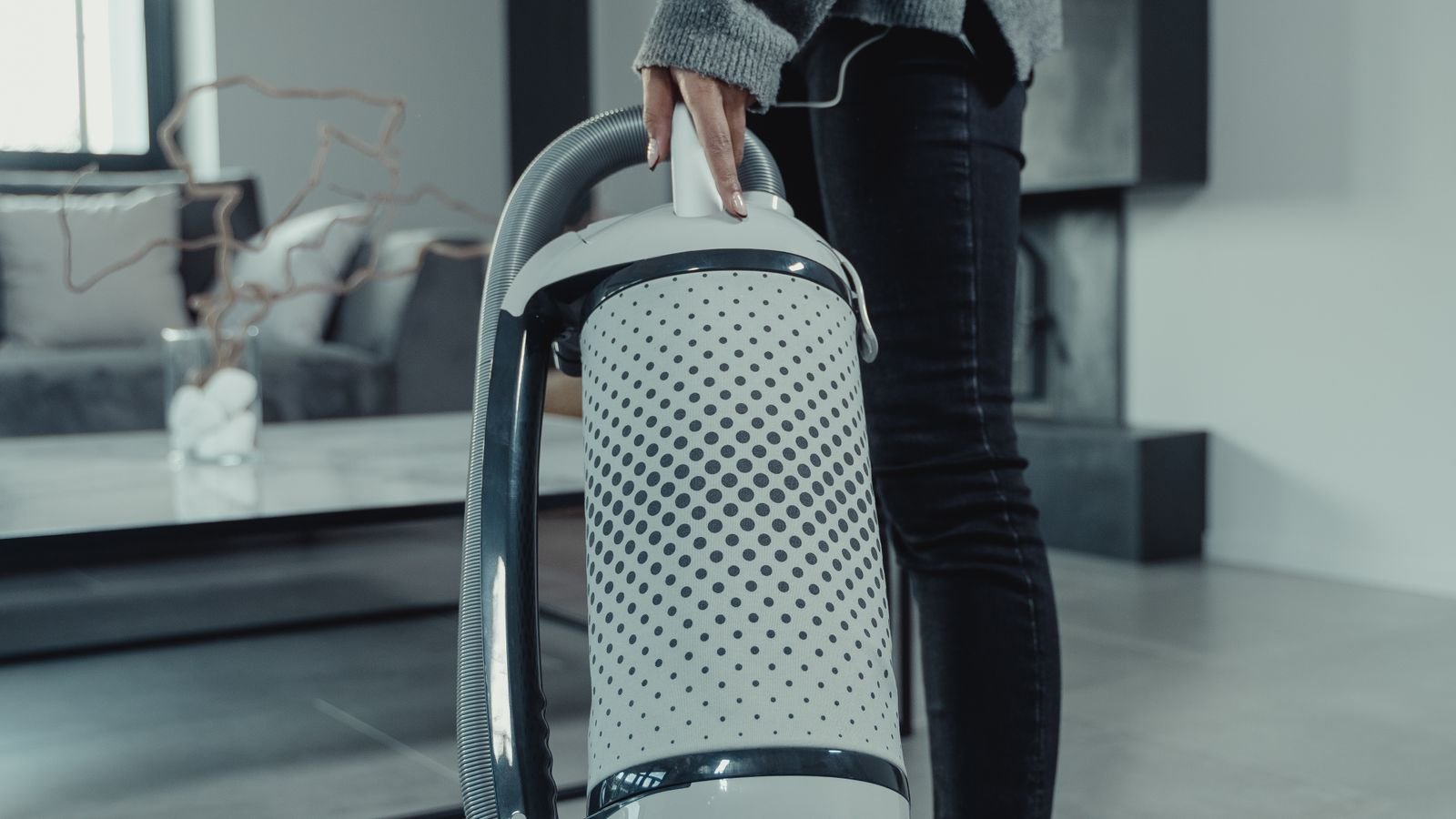
- Vacuum both sides thoroughly. Work a pet-hair attachment over the whole surface, then into every seam, piping and corner where fur compacts. This is the single most important step in the entire process, and a machine chosen for hair pickup makes it far quicker. Our roundup of the best vacuum cleaners for pet hair and the more focused list of pet vacuums compare models that do not clog on long fur.
- Lift the last of the hair by hand. Drag a damp rubber glove or a rubber-edged squeegee across the fabric. Static and friction pull out embedded fur that the vacuum leaves behind.
- Remove and separate covers. Unzip the outer cover from the foam insert. Wash the cover; spot clean the insert. Take off any bolsters, straps or electrical elements.
- Pre-treat stains and accidents. Apply an enzyme cleaner to urine, vomit or drool marks and let it sit for 10 to 15 minutes. Enzymes break down the proteins that cause lingering odour; ordinary detergent only masks them.
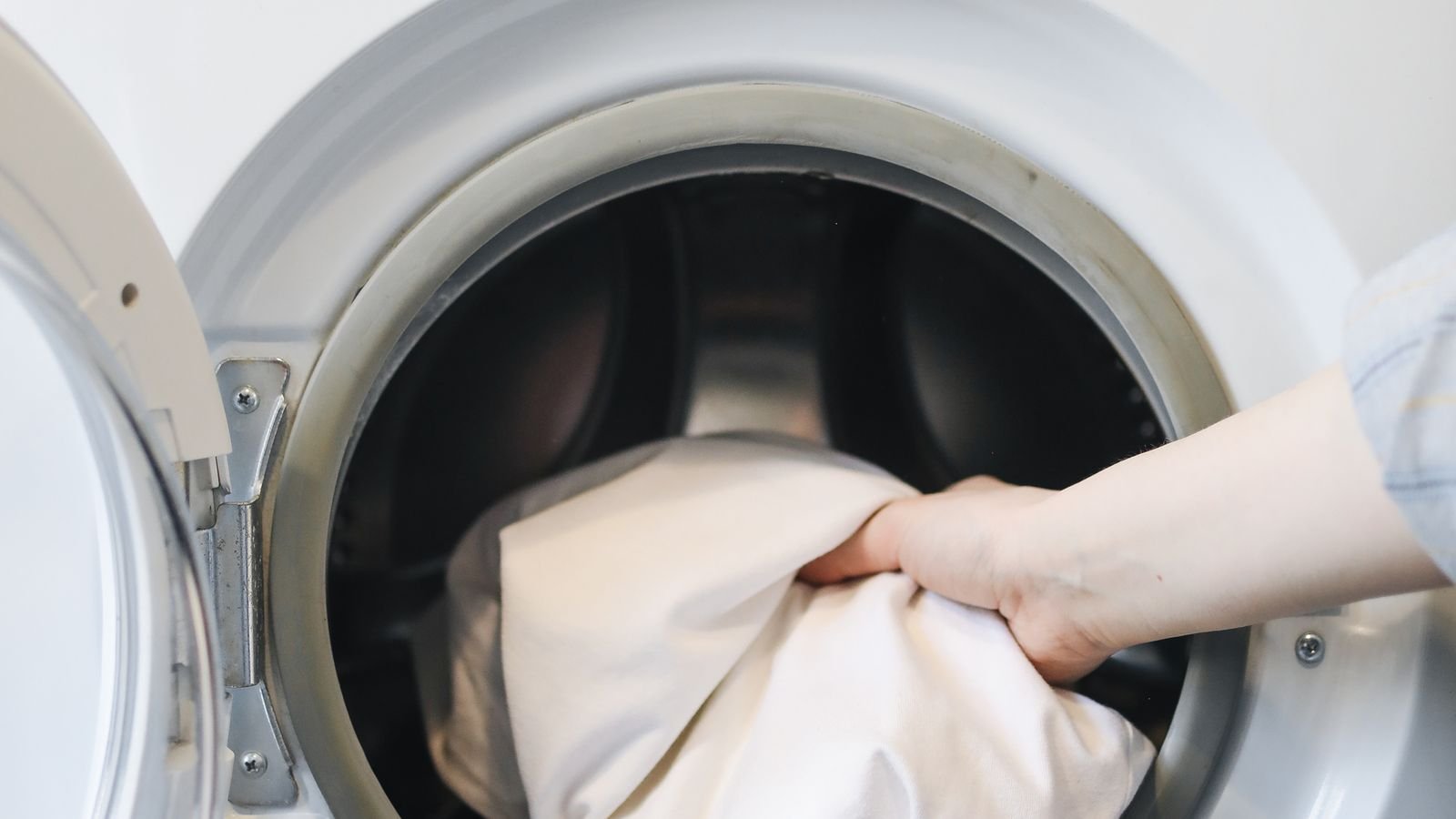
- Load the machine sensibly. Wash pet bedding on its own, never mixed with clothing or towels you care about. Fill the drum no more than about two-thirds so water can circulate and rinse the hair away.
- Choose the right cycle. A heavy-duty or bedding programme at warm to hot water, roughly 40 to 60 degrees Celsius, kills most bacteria and lifts oils. Use gentle and warm only for waterproof or delicate covers.
- Use less detergent than you think. Pet fabrics hold residue, which then irritates skin. Use around two-thirds of a normal dose of a fragrance-free formula, and skip fabric softener entirely because it coats fibres and traps odour.
- Add an odour booster. Half a cup of white vinegar in the rinse compartment, or a quarter cup of baking soda in the drum, neutralises smell without perfume.
- Run an extra rinse. This is not optional. A second rinse flushes out loosened hair and leftover detergent, and it is the difference between a clean bed and an itchy one.
- Dry completely. Tumble on low with dryer balls if the label allows, or line dry in sun, which is naturally deodorising. Foam inserts must air dry fully; any trapped damp becomes mildew within days.
- Clean the machine before your next load. Wipe the door gasket, pull out and rinse the pump filter, and run a short empty hot cycle. Skip this and the next wash puts pet hair on your shirts.
Cleaning the Washer After a Pet Load
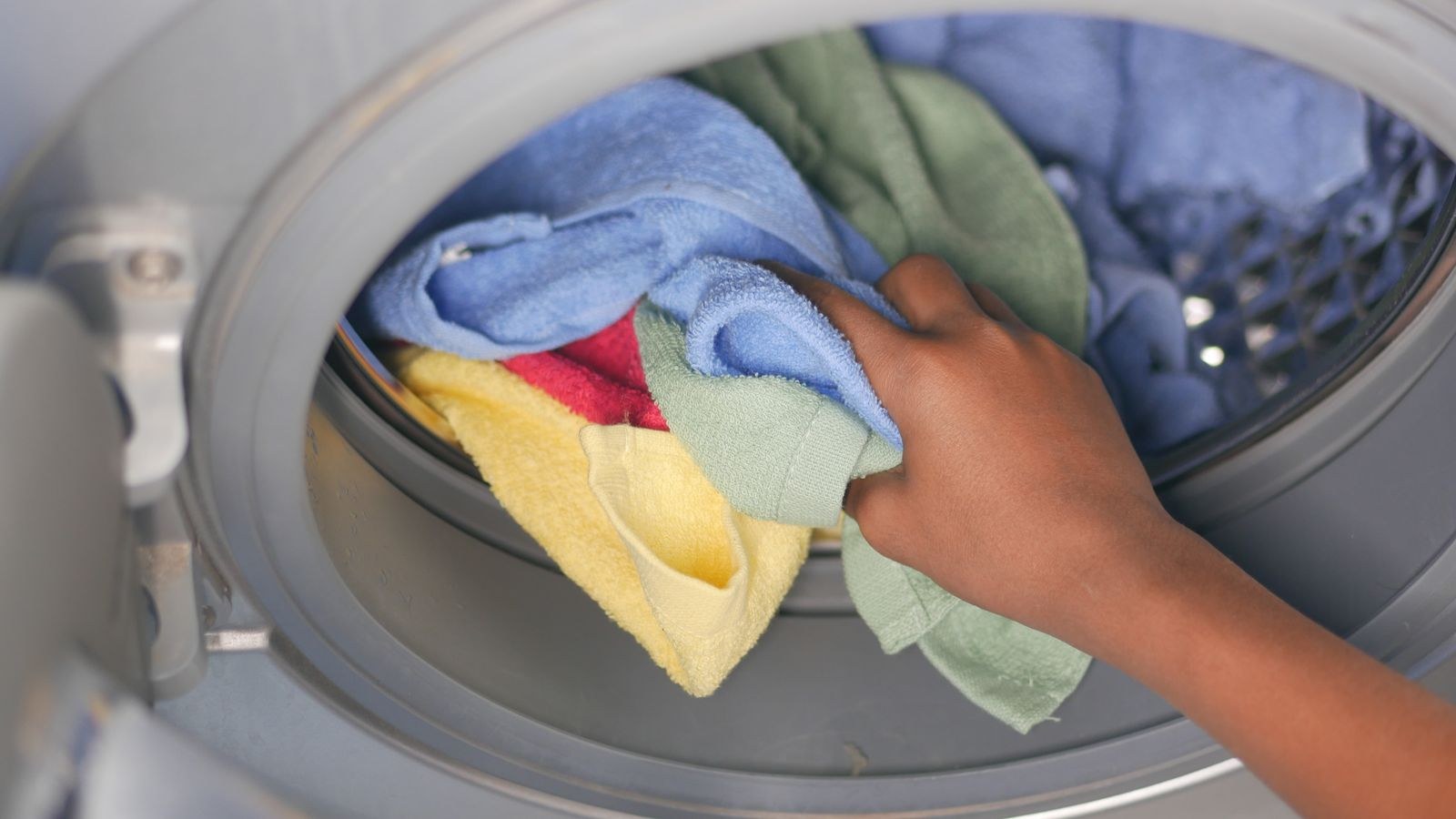
Treat this as part of the job rather than an afterthought. Open the door and pull back the rubber gasket on a front-loader; hair collects in that fold in surprising volume. Wipe it out with a damp cloth. Next, open the pump filter access panel at the bottom front, place a shallow tray underneath because water will come out, unscrew the filter and clear the matted fur wrapped around it. Rinse it under a tap and refit it firmly.
Then run an empty hot cycle, either with a proprietary machine cleaner or with a cup of white vinegar. Finally, leave the door ajar so the drum dries. Doing this after every pet wash, and a deeper clean monthly, keeps the drain path clear and prevents that damp-dog smell from taking up residence in your machine.
Mistakes That Cause Problems
- Skipping the vacuum step and letting the machine deal with the hair, which is exactly how pumps block.
- Washing pet bedding with clothes, guaranteeing fur transfer onto everything in the drum.
- Using scented detergent or softener, which irritates sensitive skin and leaves a residue pets react to.
- Overloading the drum so nothing gets properly rinsed and hair simply redistributes.
- Machine washing a foam insert, which shreds internally and never dries out.
- Putting damp bedding back down. Even slightly damp filling grows mould and smells worse within a week.
- Ignoring the pump filter until the machine throws a drain error mid-cycle.
How Often Should You Wash Pet Bedding?
Weekly is the sensible default for a dog or cat that sleeps on the bed every night. Move to twice a week if your pet goes outdoors in wet weather, has allergies or a skin condition, or if anyone in the household reacts to dander. Bedding for a pet recovering from illness or with an open wound should be changed daily. Between washes, vacuum the bed every couple of days and keep a spare cover so there is always one in use while the other dries.
If pet hair is a constant battle, the machine itself matters. Models with dedicated pet cycles, higher water volumes and self-clean programmes cope far better, and our list of washing machines for pet hair compares the features worth paying for. Pairing that with one of the gentler formulas in our washing machine detergents roundup handles most of the problem. For the fur that inevitably escapes onto the floor, our guide on how to remove pet hair from carpet covers the tools that actually lift embedded hair from pile.
Frequently Asked Questions
Can I wash a dog bed with the foam still inside?
Only if the label explicitly permits it and your drum is genuinely large enough. Otherwise remove the insert, wash the cover and spot clean the foam.
What temperature kills fleas and bacteria?
A hot wash at around 60 degrees Celsius, followed by a hot tumble dry, deals with fleas and their eggs on fabrics that can take the heat.
Is vinegar safe around pets?
Yes, in the rinse. It neutralises odour and rinses away completely, leaving no scent once the bedding is dry.
Why does the bedding still smell after washing?
Usually trapped moisture in the filling, or detergent residue holding oils. Dry it fully, use less detergent and add an extra rinse next time.
Final Thoughts
The rule with pet bedding is simple: remove the hair mechanically before water is involved, wash hot and alone, rinse twice, dry completely, then clean the machine. Follow that sequence and you get bedding that smells genuinely clean, a pet with fewer skin irritations and a washing machine that never sees a drain error. It takes ten extra minutes a week and saves a repair bill.