 Owen Bradley
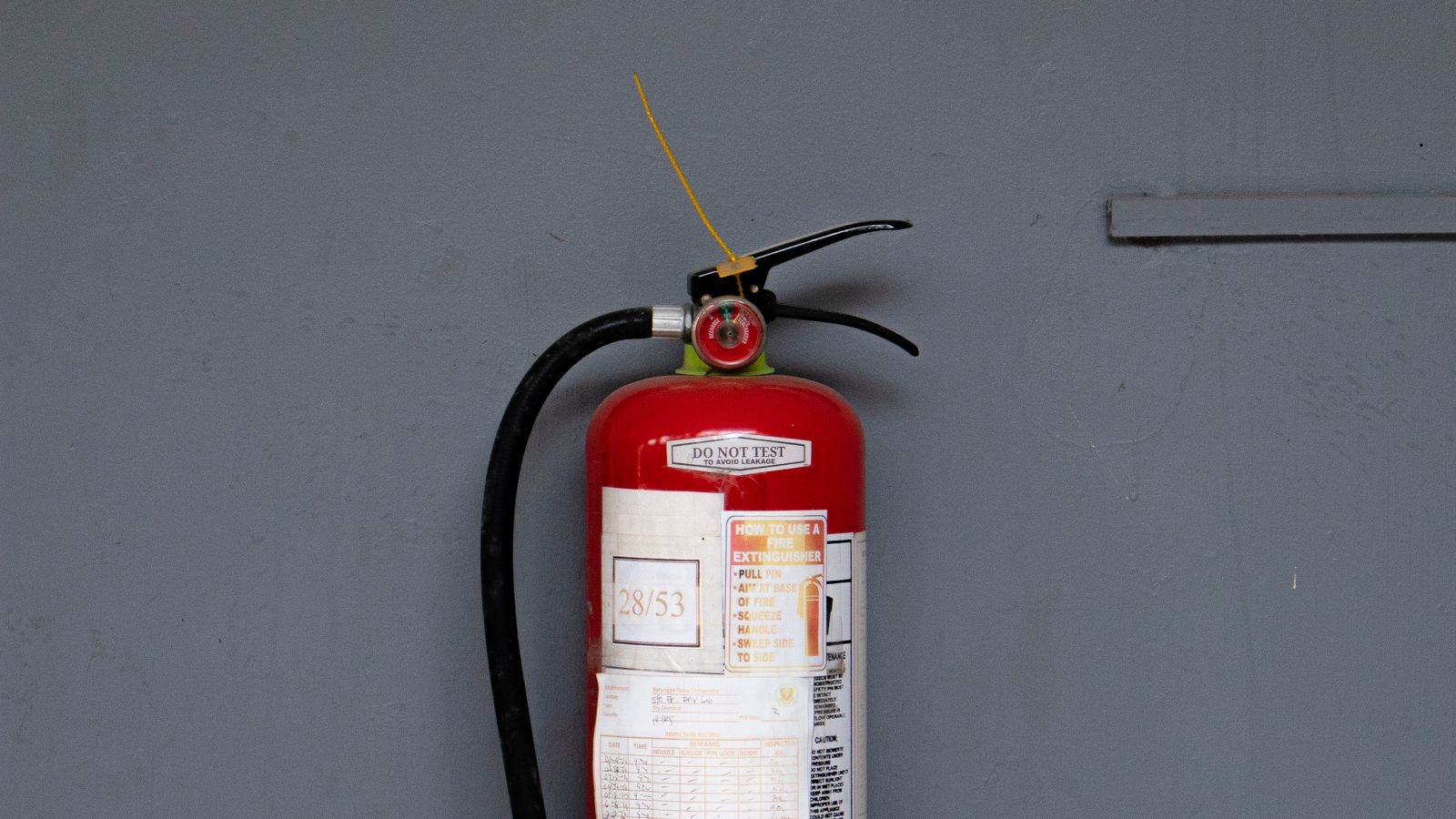
Most people have never discharged a fire extinguisher. They have seen one on a wall a thousand times, could probably describe the color and shape from memory, and would still hesitate for several seconds if a pan caught fire in front of them. Those seconds decide whether a small fire stays small. The technique itself is deliberately simple, taught worldwide under the acronym PASS, and it can be learned in the time it takes to read this page. Just as important is knowing the limits: how far to stand, which fires you can safely attack, and the exact moment you should drop the extinguisher and leave. This guide covers how to use a fire extinguisher with the PASS method, and the judgment calls that surround it.
Before You Reach for the Extinguisher
Fighting a fire is a decision, not a reflex, and it should only be made when every one of the following is true. Everyone else is already leaving or out. The fire brigade has been called, or someone is calling right now. The fire is small and contained, roughly the size of a wastebasket, and not spreading. You have a clear, unobstructed exit behind you and the fire is not between you and that exit. The room is not filling with smoke. You have the right class of extinguisher and you know how to use it.
If any one of those is false, leave. There is no version of this where property is worth staying for, and small fires become unsurvivable faster than most people believe. A single sheet of burning material can fill a room with disabling smoke in well under a minute.
Check the Class First
Extinguishers are rated for the type of fuel burning, and using the wrong one can make things dramatically worse. Class A covers ordinary combustibles like wood, paper, and fabric. Class B covers flammable liquids such as petrol, oil, and solvents. Class C covers energized electrical equipment. Class K, sometimes labeled F, covers cooking oils and fats. Most home units are multipurpose dry chemical rated for A, B, and C, which is why they are the default recommendation. Never put water or a water-based unit on burning oil or live electrics.
The PASS Method, Step by Step
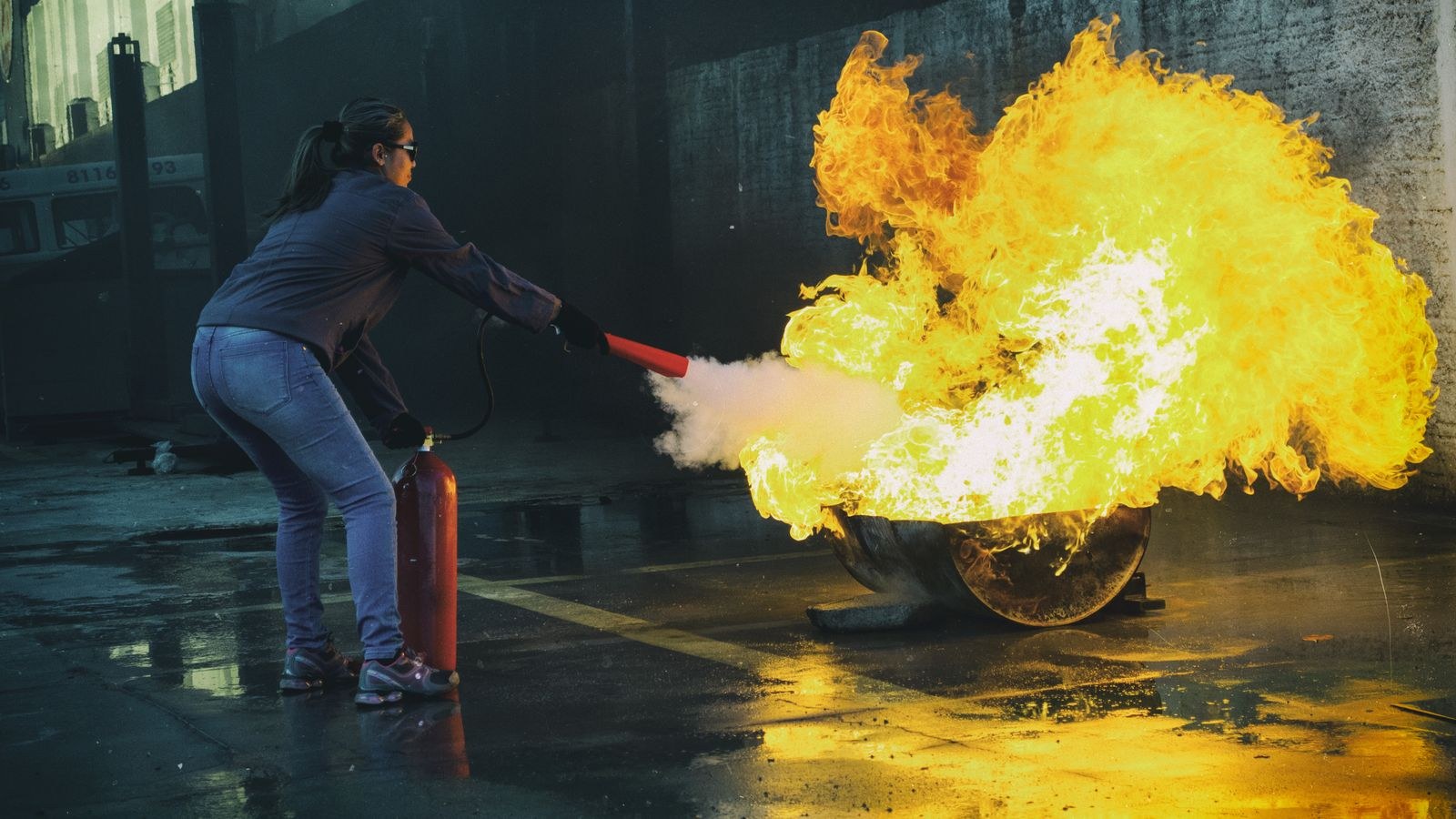
- Position yourself first. Before anything else, stand six to eight feet back from the fire with your back to your exit. Most home extinguishers have an effective range in that band, and standing closer puts you inside the heat and the splash zone. If you cannot get that close without discomfort, the fire is already too large.
- P is for Pull. Hold the extinguisher upright by the carrying handle and pull the pin straight out. Twisting the pin first breaks the plastic tamper seal if it resists. Keep your hand off the discharge lever while you do this, so you do not fire it accidentally at your own feet.
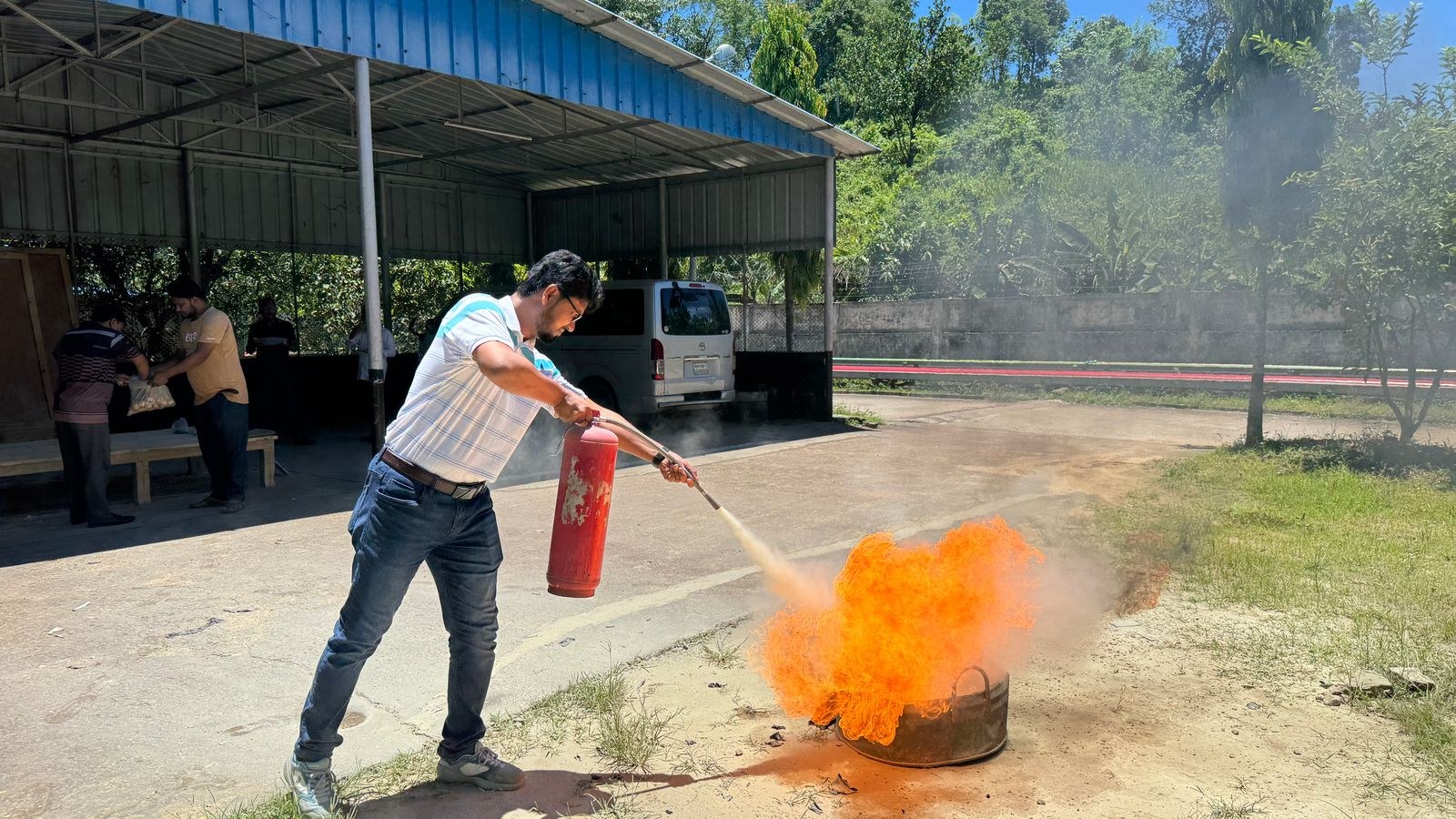
- A is for Aim. Point the nozzle or hose at the base of the flames, not at the flames themselves. This is the step people get wrong most often. Flames are the visible product of the fire; the fuel at the base is what is actually burning. Spraying the flame tips wastes the whole cylinder for no effect. Grip the hose by its handle, not the horn on a carbon dioxide unit, which becomes cold enough to injure skin.
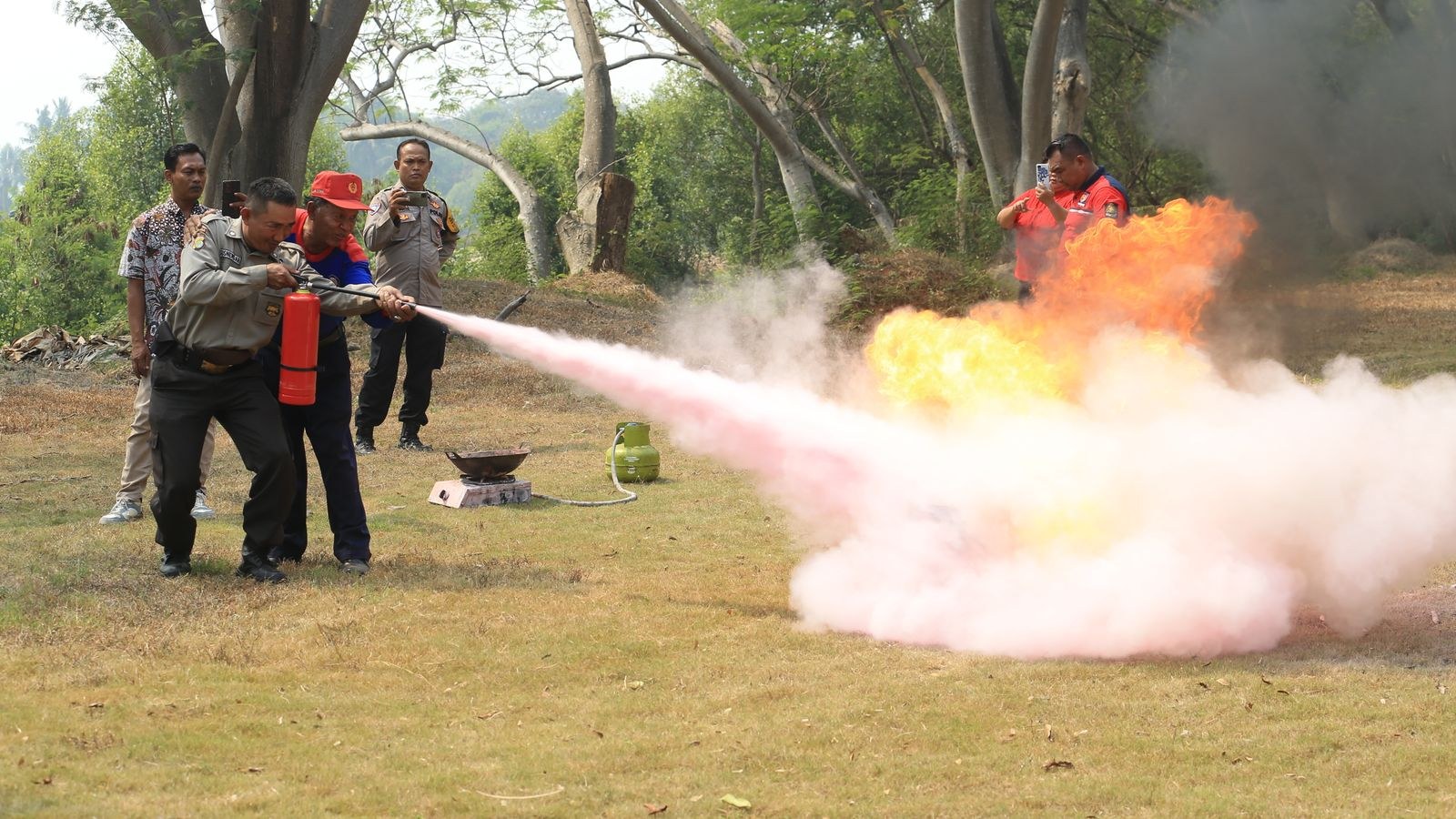
- S is for Squeeze. Squeeze the lever slowly and evenly to release the agent. A firm continuous squeeze gives a steady stream; jabbing at the lever wastes agent in bursts. Expect a loud rush of noise and, with dry chemical, a large cloud of powder that will obscure your view of the fire almost immediately.
- S is for Sweep. Move the nozzle side to side across the base of the fire, covering the full width of the burning area. Keep sweeping as the flames retreat and advance slowly, staying within effective range without walking into the space you just cleared. Continue until the fire is out.
- Watch for re-ignition. Do not turn away the moment flames disappear. Keep the extinguisher aimed and watch the area for at least a minute. Hot fuel, particularly liquids and smoldering fabric, frequently reignites. If it does, repeat the sweep immediately.
- Back out, do not turn around. When the fire is out, retreat the way you came while facing the fire area. Never turn your back on a fire you have just extinguished, and never walk past it deeper into the building.
- Report it regardless. Even a fire you put out yourself needs to be reported to the fire service. Heat travels into wall cavities, ceiling voids, and furniture, and fires that appear extinguished restart hours later. Responders have thermal imaging that you do not.
How Long Does an Extinguisher Actually Last?
Far less time than people assume. A small home extinguisher typically discharges in around ten seconds of continuous use. A larger residential unit might give you twenty to thirty. That is the entire window, which is why aiming correctly from the first second matters so much and why hesitating with the lever half-squeezed is so costly. Plan on one attempt. If the fire is not out when the cylinder empties, you leave.
This is also the argument for a second extinguisher rather than one large one. Two units placed at opposite ends of a floor give you a backup and a choice of approach direction, which a single heavier cylinder never can.
When to Stop and Get Out
Abandon the attempt and evacuate immediately if any of these appear. The fire grows despite your efforts, or spreads to a second surface. Smoke banks down toward the floor or fills the room. Your exit route becomes threatened by flame or smoke. You start coughing, your eyes sting, or breathing becomes difficult. The extinguisher empties without extinguishing the fire. Something explodes, or you hear hissing from a gas appliance or cylinder.
Leaving is not a failure. Extinguishers are designed for incipient fires only, and every fire service in the world tells homeowners the same thing: the extinguisher is there to protect your escape route, not to save the building. Close doors behind you as you go, since a closed door buys real time against fire spread.
Practice Before You Need It
Reading the sequence is not the same as doing it. If your local fire service or workplace offers hands-on extinguisher training, take it; the noise, recoil, and total loss of visibility from a powder discharge are genuinely surprising the first time. Failing that, rehearse the dry version at home. Pick up your extinguisher, feel its weight, locate the pin and lever without looking, and walk through where you would stand for a kitchen fire and where your exit would be.
Make sure everyone in the household knows where every unit is mounted and can lift it. An extinguisher nobody can carry, or that lives behind a stack of boxes in the garage, is not a safety device. If yours is too heavy for anyone in the home to aim comfortably, compare lighter options among the best home fire extinguishers, where discharge time and weight matter more than raw capacity.
Choosing Equipment That Suits the Technique
The PASS method only works if the hardware fits the person and the room. Multipurpose ABC dry chemical units cover the widest range of household fires and are the sensible default for hallways, bedrooms, and living areas. Kitchens are better served by a unit rated for cooking oils, because dry chemical aimed at a deep pan can splash burning fat. Garages and workshops need a strong Class B rating for fuels and solvents.
Comparisons of the best fire extinguishers and of fire extinguishers for home use group models by class rating and effective range, which is exactly the information the technique above depends on. Where you mount them is equally important; our fire extinguisher placement guide explains why units belong near exits rather than near the likely fire, so you never have to reach past flames to get one. If you are building out household fire safety from scratch, the broader fire safety buying guide covers how extinguishers, alarms, and escape equipment fit together.
Common Mistakes
Aiming at the flames rather than the base is the classic error and wastes the entire cylinder. Standing too close is next, putting you in the heat and causing splash on liquid fires. Approaching from the wrong direction, so the fire ends up between you and the door, has trapped people who otherwise had a clear escape. Forgetting the pin entirely is more common than it sounds under stress, as is squeezing the lever before aiming.
Two more deserve mention. Using an extinguisher on a fire that has already spread beyond a small contained area is a losing fight that costs you your escape window. And putting water on a chip pan fire causes a violent steam explosion that spreads burning oil across the room. For cooking fat, smother it, cut the heat, and get out.
Frequently Asked Questions
What does PASS stand for?
Pull the pin, Aim at the base of the fire, Squeeze the lever, Sweep side to side. Positioning yourself at a safe distance with a clear exit behind you comes before all four.
How far should I stand from the fire?
Roughly six to eight feet for a typical home extinguisher, adjusting closer only as the fire shrinks. Check your unit’s label, since effective range varies by size and agent.
Can I use the extinguisher again after a short burst?
Any unit that has been discharged at all must be recharged or replaced, even if the gauge still reads green. The valve seat rarely reseals fully, and pressure bleeds away over the following weeks.
Should I still call the fire service if I put the fire out?
Yes, always. Concealed heat in walls, ceilings, and furniture restarts fires hours later, and only responders have the equipment to confirm the area is genuinely cold.
Final Thoughts
PASS is easy to memorize and easy to get wrong under pressure, so the details are what count: stand back, keep your exit behind you, aim at the base, and sweep. Equally important is the discipline to walk away when the fire is bigger than a wastebasket, when smoke is building, or when the cylinder runs dry. Buy units matched to each room, mount them near exits where you can reach them without crossing the fire, and spend ten minutes this week showing everyone in the house where they are and how they work. That preparation is what turns the acronym into something you can actually perform.