 Owen Bradley
A curling rug corner is more than an eyesore. It is the thing that catches a toe in the dark, snags a vacuum head, and slowly creases the backing until the damage is permanent. The good news is that almost every curl has a mechanical cause, and once you identify it the fix is cheap and usually takes an afternoon. This tutorial covers how to stop a rug from curling using rug pads, corner grippers, reverse rolling, weight and controlled steam, in the order you should actually try them, so the edges you flatten in 2026 stay flat.
Why Rugs Curl in the First Place
Diagnosing the cause saves you from applying the wrong remedy. There are five common ones.
- Rolling memory. The rug was shipped rolled and the backing has not relaxed yet. This is the easiest to fix and often resolves itself within a few weeks.
- Folded shipping creases. Some thinner rugs are folded rather than rolled, which sets sharp lines that need heat or moisture to release.
- Humidity swings. Natural fibers absorb and release moisture. Jute, sisal and cotton in particular expand in damp air and curl at the edges as they dry unevenly.
- Backing degradation. Latex and rubber backings stiffen and shrink with age, pulling the edges upward. This is common in older machine-made rugs and is the hardest to reverse.
- Traffic and furniture pressure. Repeated footfall pushes a rug in one direction, bunching it against a fixed leg and lifting the far edge.
What You Need
- A non-slip rug pad cut to your rug’s dimensions.
- Corner grippers, gripper tape or rubberized rug tape.
- Heavy flat objects: books, weight plates, or a plank with weight on it.
- A steam iron or garment steamer, and a clean cotton towel or pressing cloth.
- A spray bottle of plain water.
- Double-sided carpet tape rated for your floor type, if grippers are not enough.
Step-by-Step: Flattening a Curling Rug
- Give a new rug time and warmth first. Unroll it in the room it will live in, ideally somewhere with sunlight, and leave it for three to seven days. A large share of curls disappear on their own once the backing warms and relaxes. Do not start cutting or taping until this window has passed.
- Reverse roll the offending edge. Roll the rug tightly in the opposite direction to the curl, face outward if it curls upward, and secure it with a strap or rope. Leave it for 12 to 24 hours, then unroll and lay it flat. This directly counteracts rolling memory and is the single most effective free fix.
- Weight the corners overnight. Lay the rug flat and place heavy books or weights on every lifted corner and along any wavy edge. Give it at least 24 hours, and up to a few days for a stubborn corner. Distribute the weight across a board so you do not crush the pile in one spot.
- Add a full non-slip rug pad. Cut a quality pad about 1 inch smaller than the rug on each side and lay it underneath. A pad does two things at once: it grips the floor so the rug stops shifting, and it supports the edges so they have less leverage to lift. This is the fix that prevents recurrence rather than just treating the symptom.
- Fit corner grippers. Triangular corner grippers slide under each corner and hold it down with a tacky underside. Clean the floor thoroughly first, since dust ruins adhesion. For a rug over carpet, use grippers made specifically for carpet-on-carpet, which use gripping teeth rather than tack.
- Try controlled steam on a set crease. Where a fold line refuses to release, mist the area lightly with water, lay a clean cotton towel over it, and press with a warm iron on a low or medium setting for a few seconds at a time. Keep the iron moving and never let it touch the fibers directly. Then weight the area while it cools and dries.
- Reposition furniture onto the edges. Wherever the layout allows, let a table leg, a chair leg or a heavy plant stand sit on a problem corner. Permanent weight is the most reliable long-term answer and requires no consumables at all.
- Use double-sided tape as a last resort. If grippers and weight fail, run rug tape along the problem edge. Test it on a hidden patch of floor first, because some adhesives lift finish from hardwood or leave residue on vinyl. Replace the tape rather than layering fresh strips over old.
- Address the environment. If curls return seasonally, humidity is the culprit. Keeping indoor humidity in a moderate range with a dehumidifier in damp months, or a humidifier in very dry ones, stabilizes natural fibers and stops the cycle repeating.
Choosing the Right Rug Pad
Pads are not interchangeable, and the wrong one causes as many problems as it solves. Felt and rubber composite pads are the best general choice: the felt adds cushioning and body, the rubber grips the floor, and the combination holds edges down well. Solid natural rubber pads are thin and grippy, ideal under a flatweave where you do not want extra height. PVC mesh pads are the cheapest and the worst; the plastic can react with floor finishes over time and they add no structural support to the edges.
Thickness matters for doorways. A 1/4-inch pad plus a medium-pile rug can easily exceed the clearance under an interior door, so measure the gap before ordering. Cut the pad slightly undersized so it never peeks out, and use scissors rather than a knife to avoid gouging the floor.
Rugs in Rolling-Chair and Desk Areas
Rug edges take the worst punishment where a wheeled chair crosses them. Casters catch the lip, drag it forward, and set up a permanent ripple within weeks. The reliable answer is to remove the conflict entirely rather than fight it with tape. A hard mat sized to the chair’s full range of motion lets the wheels roll on a rigid surface and keeps them off the rug edge completely; options sized for pile depth are compared in our roundup of the best desk chair mats for carpet.
The same logic applies to seating in a living room. Heavy pieces on a rug’s perimeter hold it down, while light pieces skate across it and push the edges into waves. If a corner keeps lifting under a chair, a heavier frame from the best living room chairs or a substantial sofa from the best sofas can hold that area flat as a byproduct of simply being where it should be.
Cleaning Habits That Keep Edges Flat
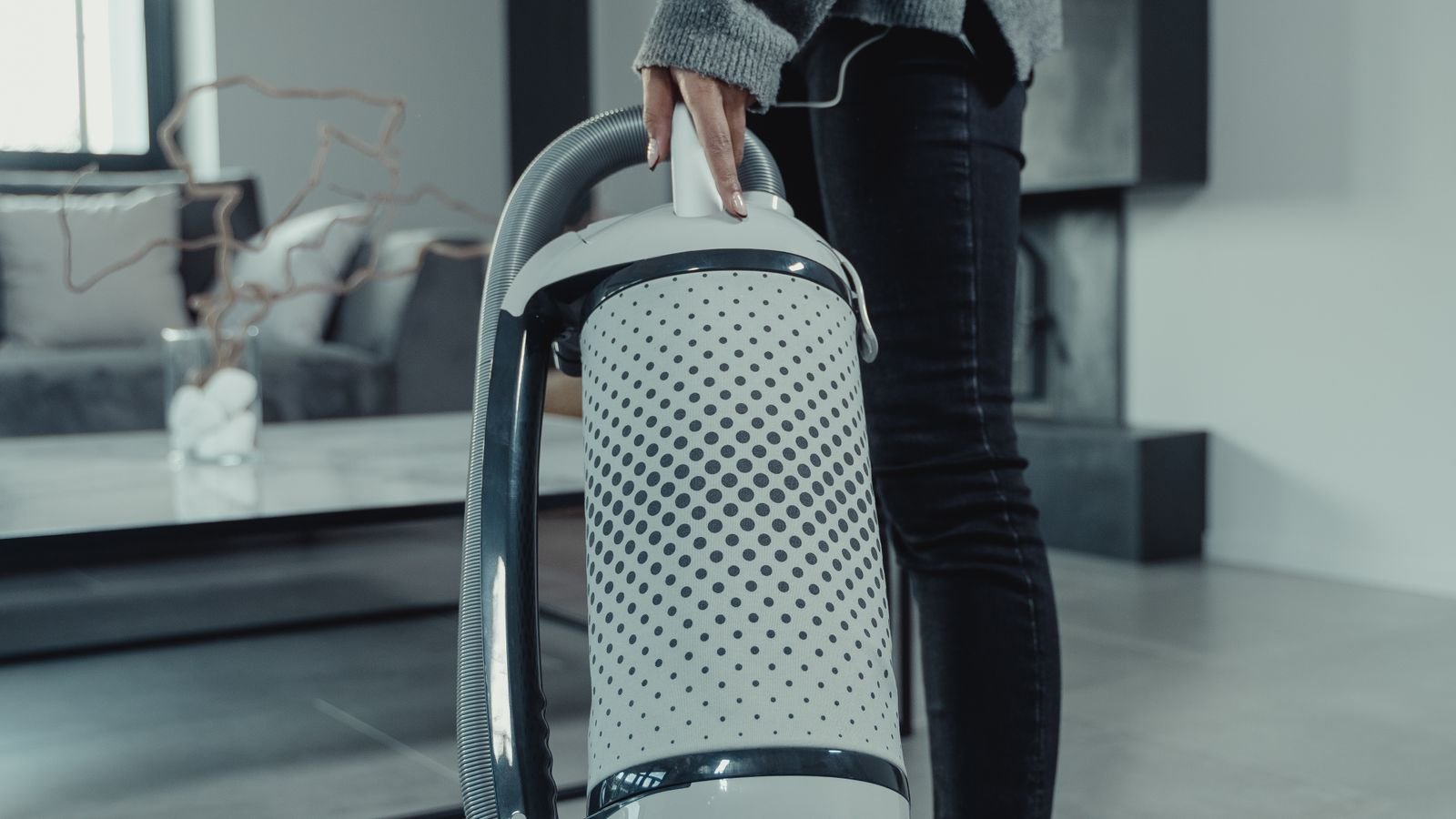
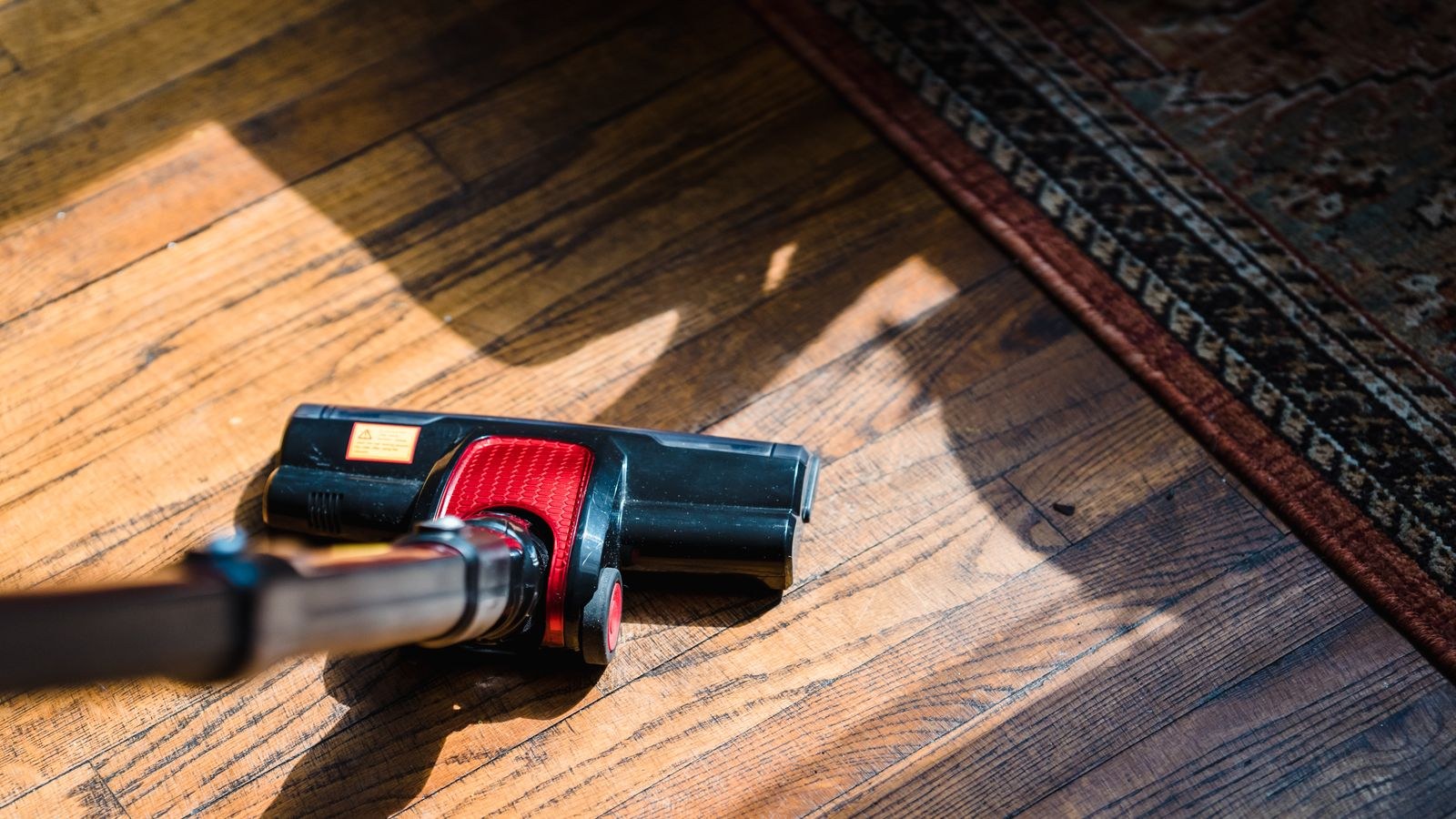
How you vacuum has a surprising effect on curling. Always run the machine along the edge rather than off it, so the head does not lift and flip the border. Reduce suction or raise the height setting when working near the perimeter, and switch off the beater bar entirely on fringed or flatweave rugs, since spinning brushes drag edges upward and unravel binding over time.
Machines with adjustable height and a suction control make this far easier than a fixed-power upright, and the models covered in the best vacuums for carpets roundup include the kind of edge-safe settings worth having. Deeper wet cleaning is another risk point: over-wetting a rug and drying it unevenly is a classic way to create new curls, so keep moisture minimal and dry thoroughly, using the guidance in our comparison of the best vacuum carpet cleaners to avoid saturating the backing.
It also pays to rotate the rug 180 degrees every six months. This evens out sun exposure, traffic wear and furniture compression, all of which contribute to one edge lifting while the opposite stays put.
Common Mistakes to Avoid
- Ironing directly on the fibers. Always use a pressing cloth. Direct heat melts synthetics and scorches wool instantly.
- Over-wetting the backing. Soaking a latex backing accelerates its breakdown and can create fresh waves as it dries.
- Cheap PVC pads. They offer no edge support and can mark floor finishes.
- Stacking tape on old tape. Residue builds up, adhesion drops, and removal gets messy. Peel the old strip first.
- Rushing a new rug. Judging a curl on day one leads to unnecessary intervention. Wait a week.
- Vacuuming over the border. Running the head off the edge is the fastest way to undo everything else you did.
Frequently Asked Questions
How long does a new rug take to flatten?
Most relax within three to seven days at normal room temperature, and a few need two to three weeks. Warmth speeds it up considerably, so an unheated room slows the process.
Will a rug pad alone stop curling?
A good felt-and-rubber pad prevents most edge lift and stops the rug shifting, which removes the main cause. For a corner that has already set, pair the pad with weighting or a corner gripper.
Is it safe to steam a wool rug?
Yes, with a pressing cloth, low heat and brief passes. Never let the iron rest, and never steam a rug with a rubber or latex backing at high heat, since the backing can soften and deform.
What if the backing is cracked and shrinking?
That damage is generally not reversible at home. A rug pad plus grippers will manage the symptoms, but a rug with a badly degraded backing is near the end of its useful life.
Final Thoughts
Stopping a rug from curling is a matter of working through the causes in order: give a new rug time, reverse roll to cancel the memory, weight the corners, then add a proper pad so it never comes back. Reserve steam for set creases and tape for genuine last resorts. Add a few good habits, vacuuming along the edges, rotating the rug twice a year and keeping humidity steady, and the corners will simply stay where you put them.