 Owen Bradley
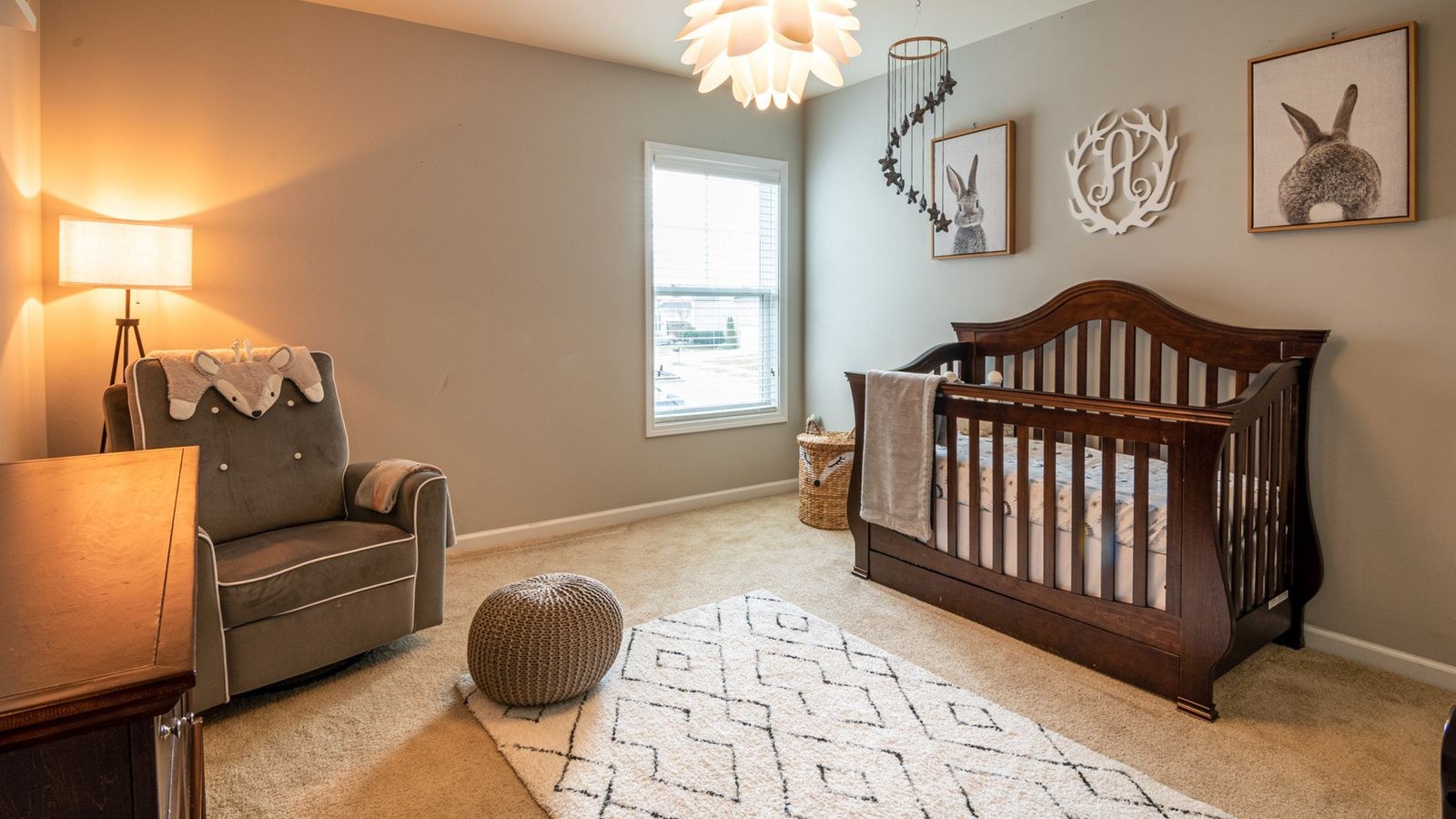
A nursery glider looks like a simple purchase until the first 3am feed, when you discover the water bottle is across the room, the lamp is far too bright, and there is nowhere to set down a burp cloth. A feeding corner is not one chair; it is a small workstation you will use six or eight times a day for months, often in the dark and often one-handed. Setting it up well is mostly about geometry and reach. This guide covers how to set up a nursery glider corner properly: choosing the spot, getting the chair, table and lighting heights right, keeping everything you need within arm’s reach of the seat, and making the whole zone safe once the baby starts crawling.
What You Will Need
- A glider or rocking chair with arm height suited to your body and a smooth, quiet motion.
- A side table roughly level with the chair arm, with a stable top and ideally a shelf or drawer.
- A dimmable lamp or warm low-output bulb that puts out enough light to see by without waking anyone fully.
- A footstool or ottoman matched to the seat height so your knees sit level with or just below your hips.
- A small basket or caddy for burp cloths, nappies, wipes and a spare muslin.
- A nursing pillow and a soft throw for support and warmth during long night sessions.
- Furniture anchors, cord shorteners and outlet covers for the safety pass.
- A tape measure, which sounds fussy but prevents most of the fixable mistakes below.
Step-by-Step Setup
- Choose the corner before you choose the chair. Walk the room at night. You want a spot away from the door swing, out of the main traffic path, ideally in a corner so the chair back and one side are protected. Keep it away from the window if the room gets cold or bright early, and close enough to the cot that you can transfer a sleeping baby in a few quiet steps without crossing the whole room.
- Check the glide clearance. Gliders and recliners need travel space. Measure at least 4 to 6 inches behind the chair for the glide arc, and more if it reclines. Sit in it and rock fully before you commit to the position; a chair that thumps the wall on every stroke will drive you mad at 3am.
- Set the seat and arm height to your body. Sit with your feet flat and your back against the chair. Your forearms should rest on the arms with your elbows at roughly a right angle while holding a baby against your chest. Arms that are too low leave your shoulders unsupported for twenty-minute stretches; too high and your shoulders creep up toward your ears. If you are still deciding between models, our comparison of the best nursery chairs breaks down arm height and seat depth by body size, and the roundup of the best glider chairs covers glide mechanisms and how quietly they run.
- Position the side table at arm height. This is the single most useful measurement in the whole corner. The table top should sit level with the chair arm or within an inch or two of it, so you can put a bottle down without looking or leaning. A table that is too low means twisting sideways while holding a baby, which is exactly how drinks get knocked over.
- Place the table on your dominant side. Whichever hand you will free up first is the side that needs the table. If two carers use the corner and have different dominant hands, a narrow table that can be slid across, or a table on each side, solves it.
- Add the footstool and test the angle. With your feet on the stool, your knees should be roughly level with your hips or slightly below. Too high and your lower back rounds; too low and you get no support. A gliding ottoman that moves with the chair keeps your legs from being left behind on each stroke.
- Set up the lighting last. Once the chair and table are placed, position the lamp so the light falls on the baby without shining into anyone’s eyes. Put it behind or beside the chair, not in front. A dimmable warm bulb around 2700K or lower is far easier on night vision than a cool white one, and a smart bulb you can dim from a phone means never reaching across a sleeping baby to a switch. Our guide to the best light bulbs for nursery use compares warm dimmable options, and the fuller light bulbs for nursery guide explains colour temperature and brightness in practical terms.
- Stock the caddy and shelf. Everything you reach for at night goes within one arm’s length of the seated position: nappies, wipes, burp cloths, a change of baby clothes, nipple cream, a water bottle with a lid, a phone charger and a snack. Restock it every evening. The whole point is never standing up mid-feed.
- Do a full dark run. Turn the lights off, sit down with a doll or a rolled towel, and go through a complete feed. You will immediately find the things you cannot reach, the lamp switch you cannot locate and the table edge you keep hitting. Fix those before the baby arrives rather than discovering them at 3am.

Safety Checks for the Feeding Corner
Nursery corners collect hazards quietly, and most of them only matter once the baby is mobile. Do this pass at setup and repeat it around the six-month mark.
- Anchor the side table and any shelving to the wall if it is tall or narrow enough to tip when a toddler pulls on it.
- Shorten and secure every cord. Lamp cords, phone chargers and monitor cables should run behind furniture or through a cord cover, never looped where a hand can grab them.
- Keep the glider away from blind cords and curtains. Anything with a loop within reach of the chair is a strangulation risk.
- Check the glide mechanism for pinch points. Many gliders have an exposed scissor action underneath. A locking mechanism or a fitted guard prevents small fingers going in.
- Cover unused outlets and put a cover on the one the lamp uses if it sits at floor level.
- Never sleep in the chair with the baby. Falling asleep while feeding in a soft chair is one of the most common infant sleep hazards. If you feel yourself drifting, put the baby down first.
- Keep the space above the chair clear. No heavy frames, shelves or mirrors on the wall directly behind where the baby’s head sits.
Comfort Details That Make Night Feeds Easier
Small adjustments have an outsized effect when you are doing something eight times a day half asleep. A nursing pillow that sits at the right height keeps your arms from taking the baby’s full weight, which is where most shoulder and neck strain comes from. A washable throw over the chair back saves the upholstery from spit-up and can go straight in the machine. A soft rug underfoot makes the footstool position more forgiving and dampens noise.
Sound matters too. A glider that squeaks on the return stroke will wake a baby that took twenty minutes to settle, so test the motion in a quiet room before buying and keep the mechanism lubricated. Some parents find a rocking chair’s arc more soothing than a glider’s straight travel; the roundup of the best rocking chairs for nursery use compares the two motions and which suits smaller rooms.
Common Mistakes to Avoid
- Buying the chair before measuring the room. Gliders need clearance behind and in front; a chair that fits the floor plan on paper often does not fit once it reclines.
- A side table that is too low. It forces you to lean and twist with a baby in your arms.
- Lighting that is too bright or too cool. Bright white light wakes both of you and makes resettling much harder.
- Putting the corner in the traffic path. Anyone entering the room then walks straight past the feeding chair.
- Choosing upholstery you cannot clean. Nursery chairs get milk, spit-up and cream on them constantly. Removable or wipeable covers are worth more than a nicer fabric.
- Forgetting the restock habit. A caddy only works if it is refilled every evening.
Troubleshooting a Corner That Is Not Working
If your back aches after feeds, the usual culprits are a seat that is too deep, arms that are too low, or a footstool at the wrong height. Add a lumbar cushion behind your lower back and raise or lower the stool before you consider replacing the chair. If you keep standing up mid-feed, something is missing from the caddy, so note what it is each time and add it. If the baby fights sleep in the chair, try dimming the lamp another step or moving it further behind the seat, since even indirect light can be too stimulating. And if the room feels cramped, a wall-mounted shelf can replace a floor-standing table entirely and free up the footprint.
Frequently Asked Questions
Do I really need a glider, or will any armchair do?
An armchair works if the arm height and seat depth suit you, but the gliding motion genuinely helps settle many babies and reduces the effort of soothing. The arm support matters more than the motion for your own comfort.
How much space does a nursery glider corner need?
Allow the chair footprint plus 4 to 6 inches behind for the glide, room in front for a stool, and a table beside it. A corner roughly 4 feet by 4 feet is comfortable for most setups.
What brightness should the night light be?
Low and warm. Aim for just enough to see the baby’s face and latch, with a warm colour temperature and a dimmer. Anything that lets you read comfortably is too bright for a night feed.
Where should the glider sit relative to the cot?
Close enough for a short, quiet transfer but not so close that the glide arc hits the cot. A few steps across the same corner of the room is ideal.
Final Thoughts
A good feeding corner is measured, not decorated. Get the arm height, table height and footstool height right for your body, put the light behind you and keep it warm and dim, and place every item you need within one arm’s reach of the seated position. Run through a full feed in the dark before the baby arrives so the awkward details surface early, then do a safety pass again once crawling starts. Set up that way, the glider corner stops being a piece of furniture and becomes the one part of the nursery that reliably makes the hardest hours of the day easier.