 Owen Bradley
Lighting used to be a meaningful line on a household electricity bill. In an incandescent house it could account for fifteen percent or more of total consumption, which is why “turn the lights off” was such a familiar refrain. LEDs changed that arithmetic dramatically — but the savings are frequently overstated in marketing and misunderstood by shoppers, because they depend almost entirely on how many hours each fixture actually runs. Replacing a rarely used closet bulb saves essentially nothing. Replacing a porch light that burns twelve hours a night saves real money. This guide shows you how to calculate your own savings honestly, where the biggest wins are, and what else matters beyond the energy number in 2026.

The Three Lighting Technologies, Briefly
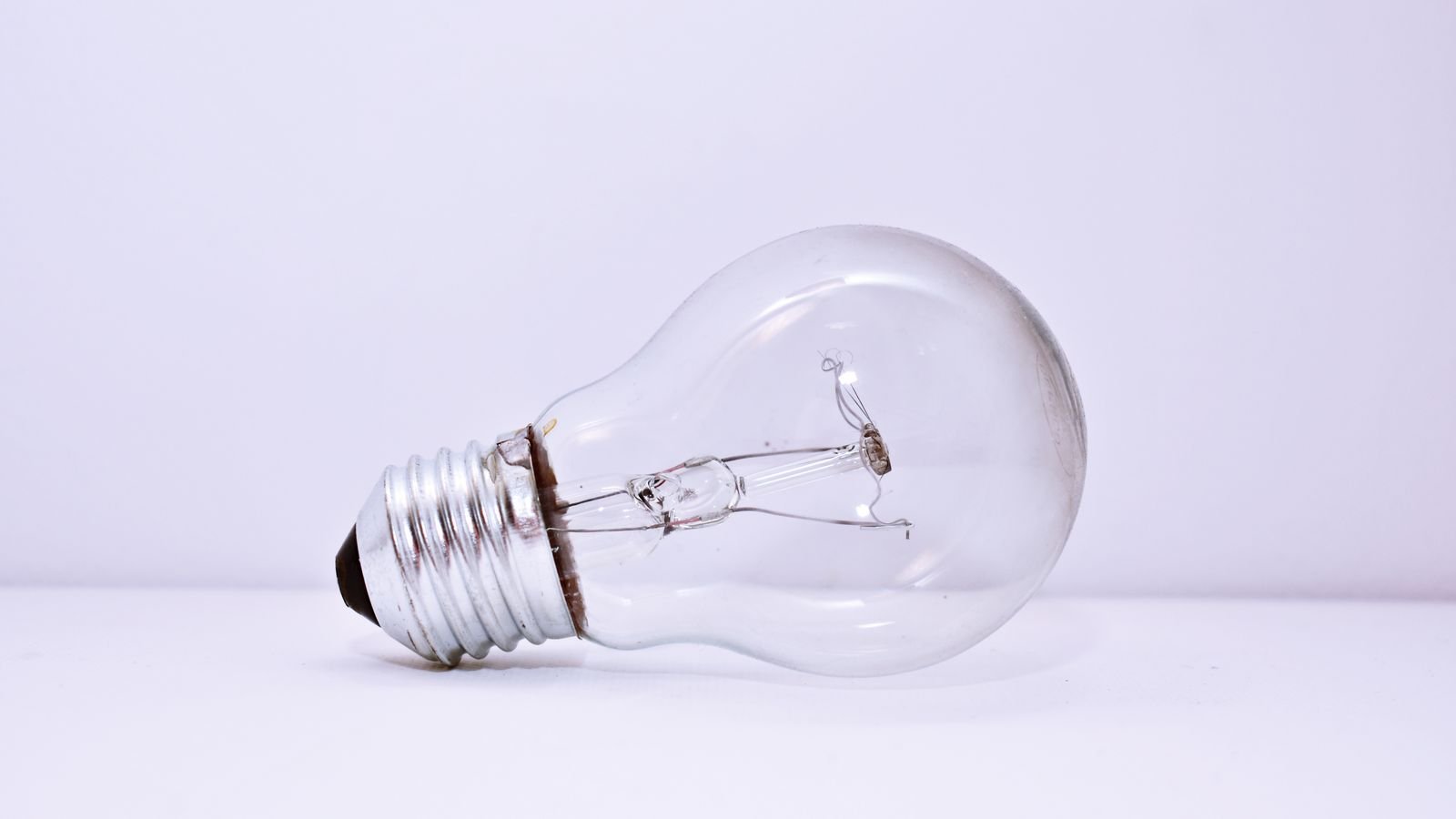
Incandescent and halogen bulbs make light by heating a filament until it glows. Roughly 90 percent of the energy becomes heat rather than light, which is why they are hot to touch. A traditional 60-watt incandescent produces about 800 lumens, giving an efficacy near 13 lumens per watt, and lasts around 1,000 hours.
Compact fluorescents (CFLs) were the interim technology. They reach around 50 to 70 lumens per watt and 8,000 to 10,000 hours of life, but they warm up slowly, dim poorly, dislike frequent switching, and contain a small amount of mercury requiring careful disposal.
LEDs produce light from a semiconductor junction. Common household LEDs deliver 80 to 120 lumens per watt, with efficient models exceeding 140, and rated lives of 15,000 to 50,000 hours. They switch instantly, dim well when designed for it, tolerate cold, and contain no mercury.
The practical conclusion is uncontroversial: for essentially every household application, LED is now the correct choice on both cost and performance grounds. The interesting question is not whether to switch, but which switches are worth prioritizing. Our roundup of the best energy efficient light bulbs is a good starting point once you know what you need.
How to Calculate Your Actual Savings
The formula is simple and worth doing yourself rather than trusting a package claim.
- Find the wattage difference. Old bulb watts minus new bulb watts. A 60W incandescent replaced by a 9W LED saves 51 watts.
- Estimate daily hours. Be honest. Most household bulbs run far less than people assume — 2 hours a day is typical for a bedroom, 4 to 5 for a kitchen, 8 to 12 for outdoor and security lighting.
- Convert to kilowatt-hours per year. Watts saved × hours per day × 365 ÷ 1000.
- Multiply by your electricity rate. Check your bill for the per-kWh figure; it varies widely by region.
Worked example: 51 watts saved × 3 hours/day × 365 = 55.8 kWh per year. At a rate of $0.16 per kWh that is about $8.93 saved annually, per bulb. Do the same sum for a porch light running 10 hours a night and the figure climbs to roughly $29.78 a year for a single fixture.
Now scale it. A house with 30 incandescent bulbs averaging 3 hours a day saves on the order of $250 to $270 per year on this arithmetic. That is a real number, but notice how much of it depends on the hours assumption — halve the usage and you halve the saving.
Where the Big Wins Are
Prioritize by hours of operation, not by wattage alone.
- Outdoor and security lighting. Often runs dusk to dawn. Highest hours in the house and frequently still incandescent or halogen. Replace these first.
- Kitchen and living room. High occupancy, many fixtures, often multiple bulbs per fixture. Recessed cans in a kitchen ceiling can represent six or eight bulbs on a single switch.
- Hallways and stairwells. Frequently left on for safety and rarely noticed.
- Home offices. Eight to ten hours a day on working days adds up fast.
- Garages and basements. Often lit by old fluorescent tubes or high-wattage bulbs that nobody has revisited in a decade.
Low priority: closets, pantries, attics, guest rooms, and decorative fixtures used a few hours a month. Replace those when the old bulb fails rather than proactively. Our comparison of the best energy saving light bulbs covers the shapes and bases you will need across these different fixtures.
Reading the Lighting Facts Label
Watts tell you consumption, not brightness. The number that matters when shopping is lumens. Rough equivalences for anyone still thinking in incandescent terms:
- 40W incandescent ≈ 450 lumens ≈ 5W LED
- 60W incandescent ≈ 800 lumens ≈ 8–9W LED
- 75W incandescent ≈ 1,100 lumens ≈ 11–13W LED
- 100W incandescent ≈ 1,600 lumens ≈ 14–18W LED
The best single efficiency metric is lumens per watt. Divide the lumen figure by the wattage on any package and compare. An 800-lumen bulb at 9W gives 89 lm/W; a competing 800-lumen bulb at 6.5W gives 123 lm/W and will use about 28 percent less electricity for identical light. Over a fixture running long hours, that difference is worth chasing.
Also note the ENERGY STAR mark, which requires independent testing for lumen maintenance, color consistency, power factor, and lifetime. It is not a guarantee of the best product available, but it does screen out the worst.
Beyond the Bulb: Controls and Behavior
Once you are on LED, the remaining savings come from running lights less, not from finding a slightly more efficient bulb.
- Dimmers. Dimming an LED reduces power draw roughly in proportion to light output. Running a living room at 60 percent most evenings is both more pleasant and meaningfully cheaper. Use an LED-compatible dimmer. Our list of dimmable LED light bulbs covers models that dim smoothly without flicker.
- Motion sensors. Ideal for garages, laundry rooms, basements, closets, and outdoor floodlights — anywhere lights get left on routinely.
- Timers and photocells. Outdoor lighting on a photocell runs only after dark. A timer that shuts it off at midnight cuts a dusk-to-dawn fixture’s hours roughly in half.
- Occupancy-based smart switches. Useful in shared spaces where habits vary.
- Task lighting. One 8W desk lamp beats lighting an entire room to read by.
- Daylight and reflectance. Light-colored walls and ceilings can cut the artificial light needed for the same perceived brightness substantially. Clean fixtures and light shades matter more than people think.
The Costs Nobody Mentions
Two effects complicate the simple savings story, and both are worth understanding.
The first is the heat replacement effect. Incandescent bulbs dump most of their energy as heat, which in winter slightly reduces your heating load. Switching to LED removes that incidental heat, so in cold climates a small fraction of your lighting savings is offset by extra heating. In summer, the effect reverses and helps you — less waste heat means less air conditioning. Net across a year it is a minor factor, but it explains why measured savings sometimes come in below calculated ones.
The second is lifetime and quality variance. LED lifespan claims assume good thermal management. A bulb crammed into an enclosed fixture without adequate airflow will run hot and can fail long before its rated hours. Check whether a bulb is rated for enclosed fixtures before installing it in a sealed dome or a recessed can without ventilation. Cheap drivers are the usual failure point, not the LEDs themselves. Our overview of the best LED light bulbs covers models with better thermal design and warranty terms.
Payback and Budget Planning
Payback period is total cost divided by annual saving. A $3 LED replacing a 60W incandescent on a fixture used 3 hours a day pays for itself in roughly four months. The same bulb in a closet used 5 minutes a day takes decades. This is why usage-based prioritization matters far more than shopping for the cheapest bulb.
- Under $50: replace the six to ten highest-hour bulbs in the house. Typically the fastest payback available on any home efficiency spend.
- $50–$200: full-house bulb conversion plus two or three dimmers on high-use rooms.
- $200–$600: add motion sensors, outdoor photocell control, and replacement of old fluorescent shop fixtures with LED units.
- $600 and up: smart lighting with scheduling and scenes throughout, plus fixture-level upgrades where the old housing limits efficiency.
Check for utility rebates before buying. Many electricity providers offer instant discounts or mail-in rebates on ENERGY STAR lighting, which can materially shorten payback.
Mistakes to Avoid
- Buying by watts. Watts measure consumption. Lumens measure light. Compare lumens per watt.
- Ignoring color temperature and CRI to chase efficiency. The most efficient bulb in a fixture you find unpleasant will be switched off — or replaced.
- Using non-dimmable LEDs on a dimmer. Causes flicker, buzz, premature failure, and sometimes damage to the dimmer.
- Enclosed fixtures without a rated bulb. The single most common cause of early LED failure.
- Replacing everything at once regardless of usage. Money spent on low-hour fixtures could have gone to better bulbs where it counts.
- Forgetting the outdoor lights. Usually the highest-hours fixtures in the house and the most often overlooked.
Frequently Asked Questions
How much can I really save by switching to LED?
For a typical house replacing incandescent bulbs across roughly 30 fixtures at average usage, savings in the range of $200 to $300 per year are realistic. Your actual figure depends on your electricity rate and, above all, on how many hours your lights run.
Are expensive LED bulbs worth it?
Usually yes for high-hour fixtures, where better drivers, higher lumens per watt, and longer warranties pay back. For a rarely used fixture, a budget bulb is perfectly rational.
Do LED bulbs really last 25,000 hours?
Under good conditions, many do. Heat is the enemy — a bulb in a sealed fixture, an insulated recessed can, or a hot attic will fall well short. Choose bulbs explicitly rated for enclosed fixtures where relevant.
Does dimming an LED save electricity?
Yes. Power draw falls roughly in line with light output, so running at half brightness uses close to half the power. This is not true of all older dimming technologies but holds for modern LED and compatible dimmers.
Should I throw away working incandescent bulbs?
For high-hour fixtures, replacing a working incandescent still pays back quickly, so yes. For low-hour fixtures, waiting for failure is the more sensible use of money.
Final Thoughts
Energy-efficient lighting is one of the few home upgrades where the payback is genuinely fast and the performance is genuinely better. The key insight is that savings track hours of use, not the number of bulbs you replace. Audit your house for the fixtures that run longest, convert those first with good-quality bulbs rated for their fixture type, and then add dimmers, timers, and sensors to shorten the hours themselves. Compare lumens per watt when you shop, do not sacrifice light quality for a marginal efficiency gain, and check your utility for rebates before you buy.